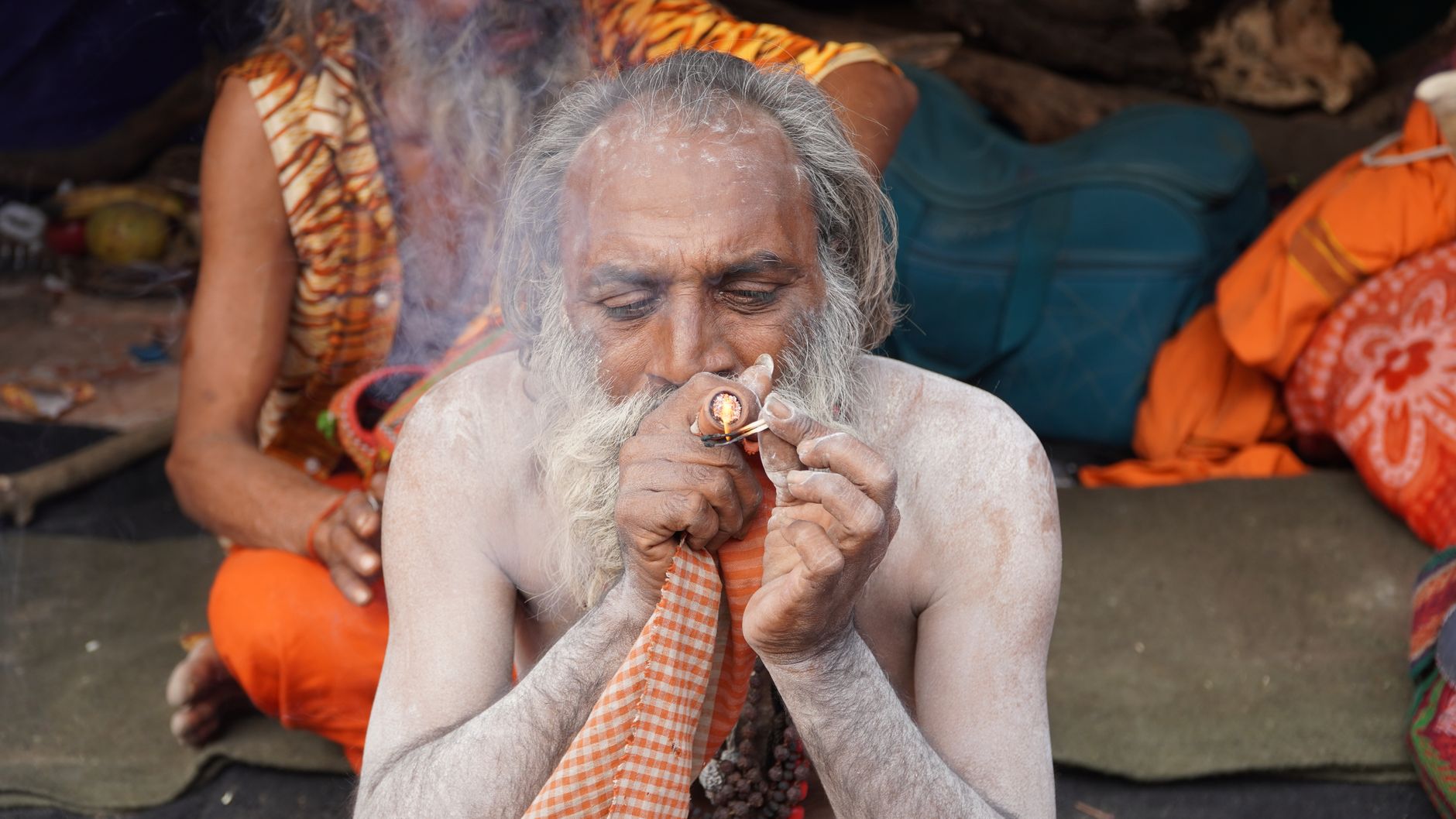
In a time when many American adults feel lonely, the hermit lifestyle is surprisingly on the rise. More folks are stepping back from social commitments, finding peace in solitude. As 2023 unfolds, we’re seeing a lot of people opting for hermit-like lives, whether on off-grid retreats or in minimalist urban apartments. But what does this lifestyle really involve, and what perks does it bring?
This growing trend speaks to a strong desire for simplicity and clarity. As we look deeper into this lifestyle, we’ll cover the rise of hermitism, its costs, daily routines, and the various mental health benefits it can offer.
Rise of the Hermit Lifestyle
The hermit lifestyle has picked up steam over the last five years. From what I’ve seen, the number of people identifying as hermits has jumped by over 25%. This shift reflects a widespread dissatisfaction with our fast-paced, hyper-connected world. Many people are opting to disconnect and simplify in search of inner peace.
Millennials and Gen Z are really driving this movement, often seeking calmness in nature or choosing tiny homes and sustainable living. Remote work has played a role too, giving folks the chance to work alone without the daily grind of commuting.
Costs of Living Off the Grid
Living like a modern hermit can be easier on the wallet than you might think, though costs can vary based on where you are and your choices. A lot of hermits go off the grid, which may involve initial setup costs of anywhere from $10,000 to $50,000 for features like solar panels, composting toilets, and water systems. On the flip side, those downsizing in urban areas often find that living small can cut monthly expenses significantly.
Typically, monthly costs for a hermit lifestyle range from about $500 to $1,500, depending on what you spend on housing, food, and transport. I’ve found that frugality becomes second nature, with many hermits focusing on self-sufficiency through gardening and foraging.
Daily Life of a Modern Hermit
Daily routines among modern hermits vary quite a bit, but they usually share a common focus on simplicity. Many kick off their mornings with meditation or quiet reflection before diving into tasks like gardening, reading, or exploring crafts. Work often includes remote jobs, artisanal projects, or writing.
Evenings often turn into a time for self-care. Cooking wholesome meals, making crafts, or just soaking in nature are common pastimes. The pace is intentionally slow, with hermits finding joy in everyday tasks that bring a sense of accomplishment and contentment.
Mental Health Benefits Explored
There’s some research suggesting that the hermit lifestyle can bring substantial mental health benefits. Embracing solitude leads to reduced anxiety and improved emotional well-being. By stepping back from social pressures, people can uncover their true selves and develop greater self-awareness.
A study from 2022 showed that people practicing solitude often feel more creative and less stressed. The hermit lifestyle can be a haven for personal growth, where individuals recharge and reflect without the distractions that come from socializing.
Historical Figures Who Chose Solitude
Throughout history, many famous figures have opted for a hermit lifestyle for various reasons. Think about Henry David Thoreau, who famously retreated to Walden Pond to live deliberately while exploring the nature of civilization. Similarly, artist Georgia O’Keeffe found inspiration in her solitude in the New Mexico desert.
These significant individuals show us that solitude can spark creativity and insight, shaping their work and philosophies for future generations. Their stories underscore the worthwhile potential of choosing solitude in such a noisy world.
Productivity Boosts from Minimalism
The trend of minimalism closely mirrors the hermit lifestyle, focusing on simplicity and efficiency. Embracing minimalism often leads to greater productivity. By cutting out distractions—both physical and mental—many hermits gain the clarity needed to boost their creative and professional pursuits.
For most, this means decluttering spaces, limiting commitments, and honing in on personal goals. From my experience, people who adopt minimalistic principles frequently report feeling more satisfied and purposeful in their lives.
Finding Clarity in Solitude
Ultimately, the hermit lifestyle provides a route to clarity. By stepping away from what society expects, individuals can build a deeper connection with themselves and their environment. Solitude fosters reflection and critical thinking, often leading to better life choices.
As modern life grows more complex, embracing a hermit lifestyle can offer a well-needed break. Many find that the benefits significantly outweigh the challenges, helping them prioritize their mental health and well-being.
FAQs
What is a hermit lifestyle?
A hermit lifestyle is about living in solitude, generally away from social pressures, to pursue simplicity, self-reflection, and personal growth.
How can I start living as a hermit?
To start living as a hermit, assess your current lifestyle, cut back on social commitments, and think about simplifying your living situation. A gradual approach often yields the best results.
What are the mental health benefits of solitude?
Solitude can improve mental health by lowering anxiety, boosting creativity, and enhancing self-awareness. This often results in better emotional well-being and personal clarity.
Leave a Reply