Acrylic painting for beginners comes down to a short shopping list and a few habits: buy a handful of colors, keep the paint wet while you work, and start on a small primed surface. Acrylics are water-based, dry fast, and clean up with soap and water, which makes them forgiving when you are still learning. You do not need a studio or a big budget to start, just a table, decent light, and an hour.
Why Acrylic Painting for Beginners Works So Well
Acrylic paint is made of pigment suspended in a plastic polymer binder, and it dries to a flexible, water-resistant film. If you want the technical background, the Wikipedia entry on acrylic paint covers the chemistry. For you, the practical points are simple. It dries quickly, so mistakes can be painted over within minutes. It sticks to canvas, wood, paper, and cardboard. And you can thin it with water for a wash or use it straight from the tube for thick, buttery strokes.
For acrylic painting for beginners, the fast drying cuts both ways. Blending takes speed, and a puddle of paint left on your palette can turn into a rubbery skin in a short time. We will cover how to handle that below.
The Supplies You Actually Need
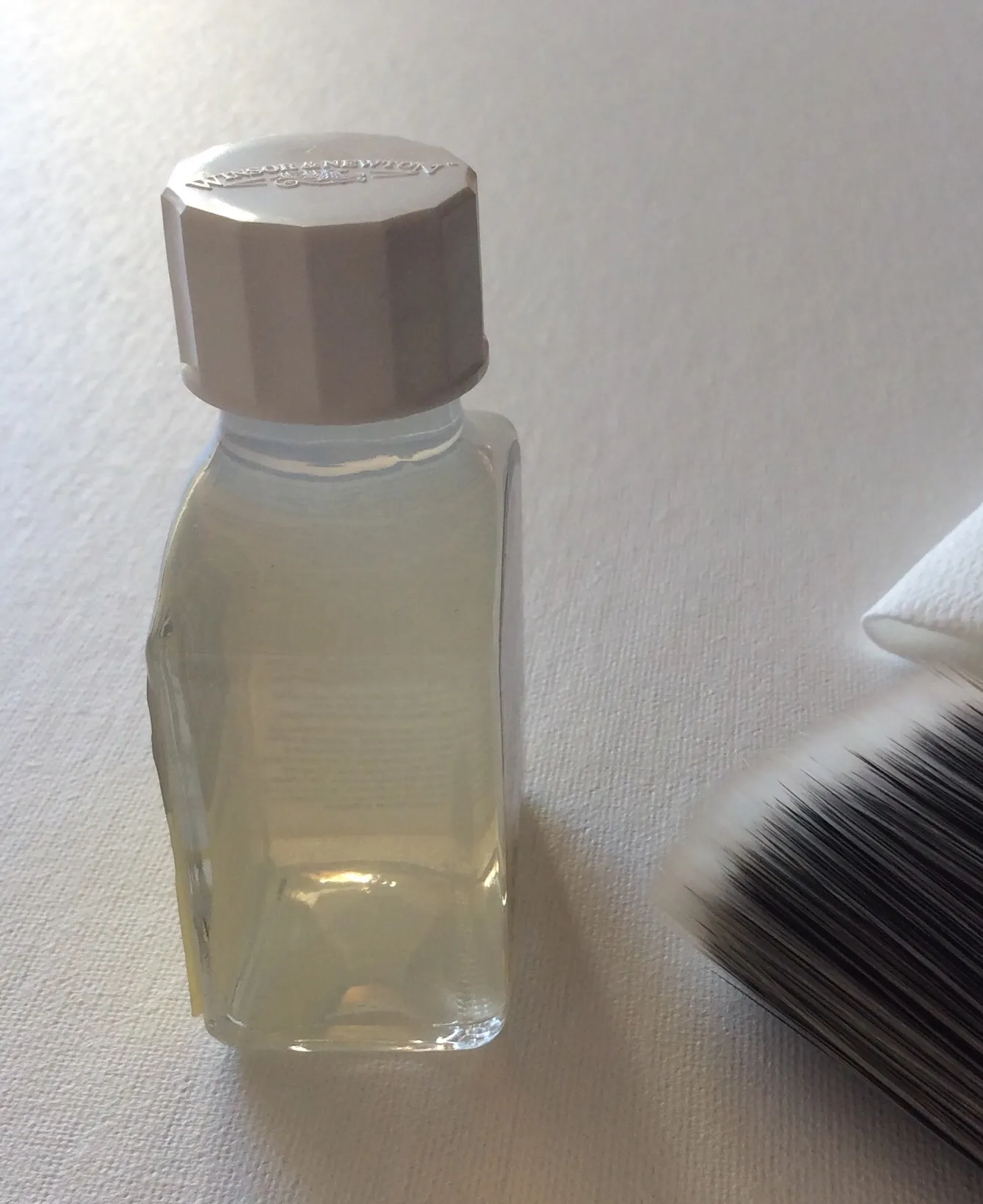
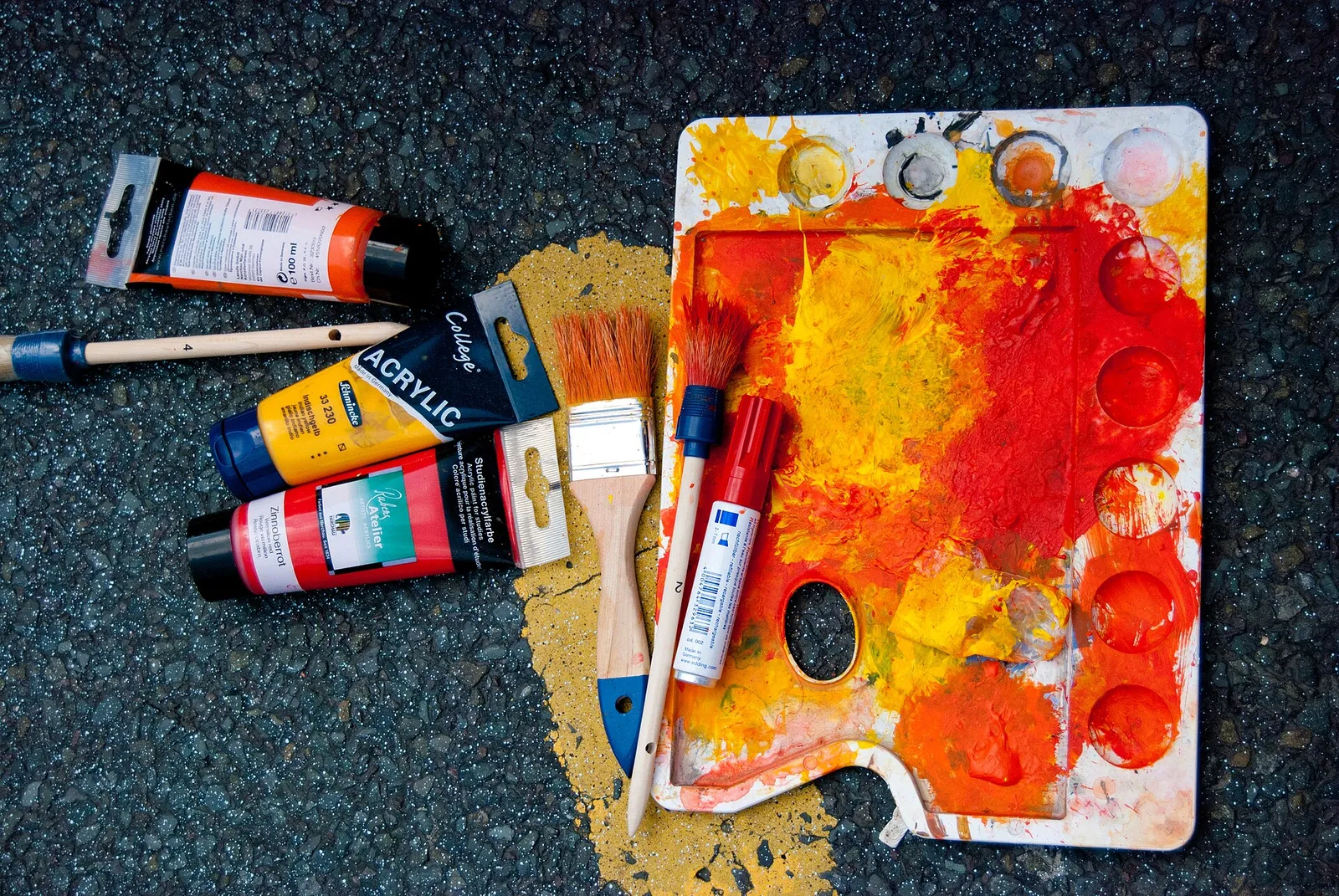
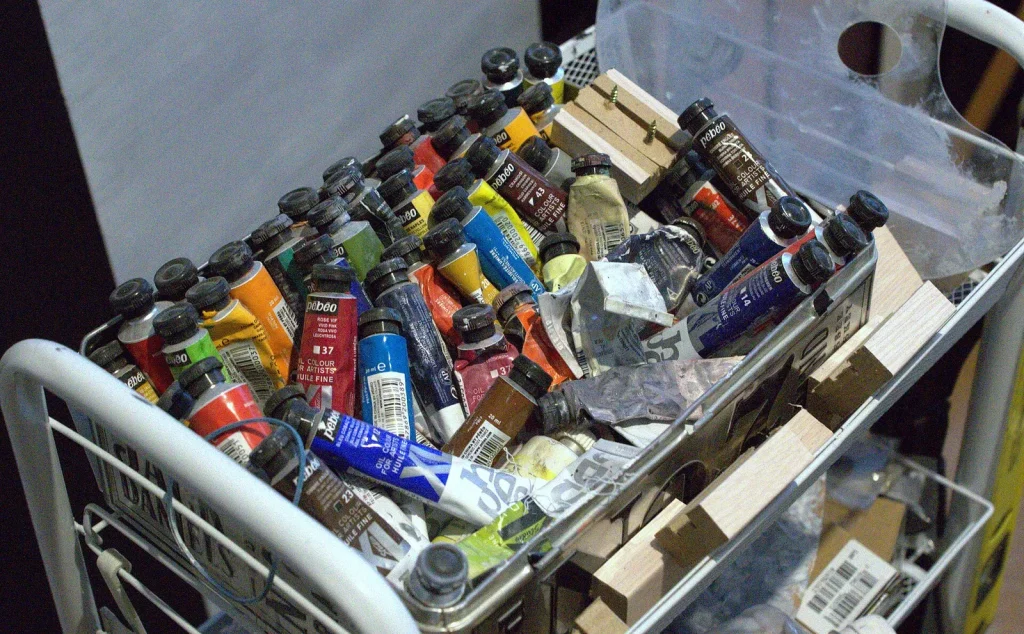
Skip the 48-color sets. For acrylic painting for beginners, a small kit teaches you more about color than a huge one, because you are forced to mix. Here is a sensible starter list.
| Item | What to buy | Why it matters |
|---|---|---|
| Paint | Titanium white, a warm and cool red, a warm and cool yellow, a warm and cool blue | These cover nearly every color you can mix |
| Brushes | One flat, one round, one small detail round | Synthetic bristles hold up well to acrylic |
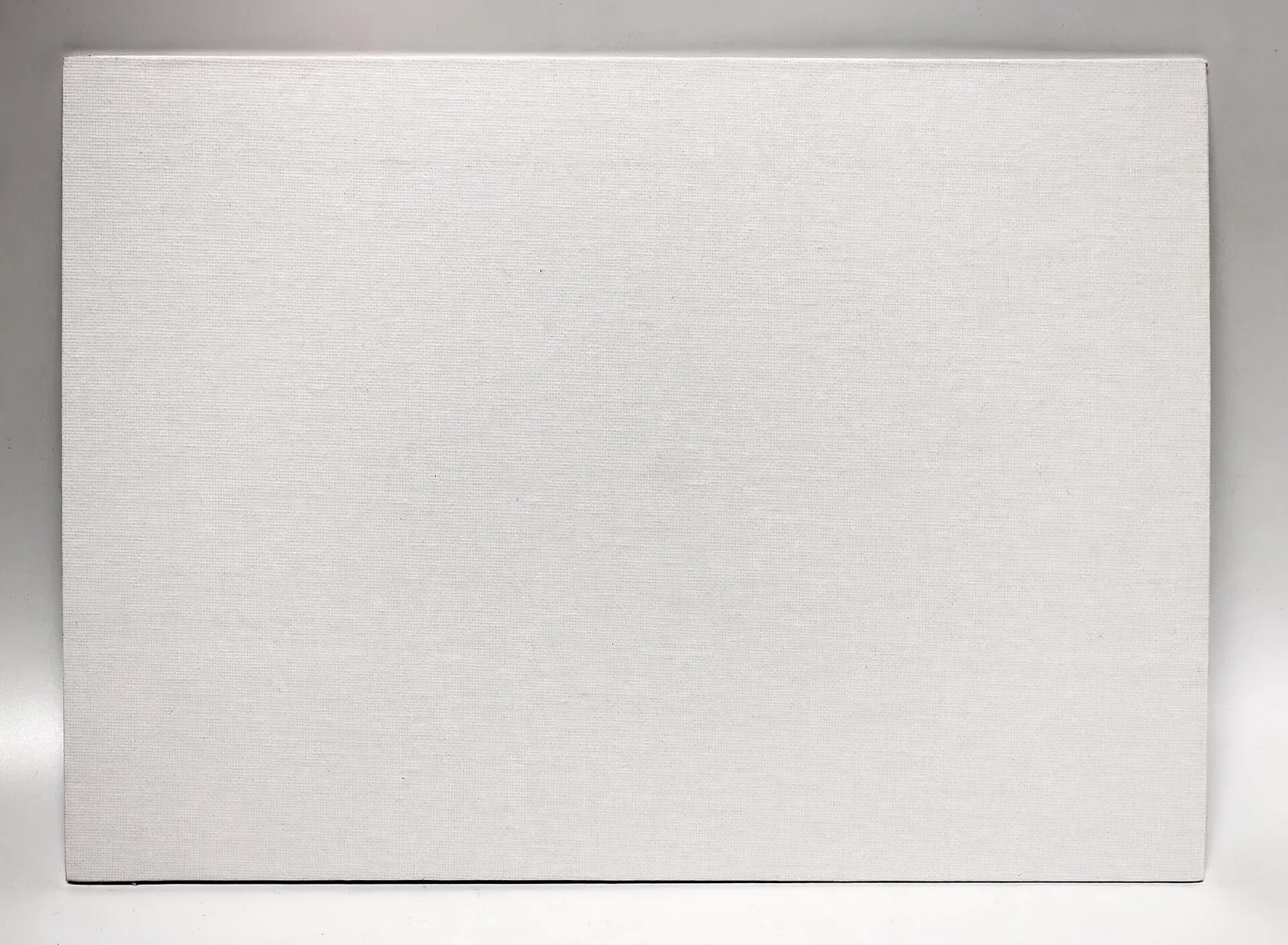
| Surface | Pre-primed canvas panels or a small stretched canvas | Cheap, rigid, and ready to paint |
| Palette | Disposable paper palette or a plate | Easy to clean or toss |
| Extras | Two water jars, paper towels, an apron, a spray bottle | Keeps the paint workable and your clothes clean |
Student-grade paint is fine for learning. Artist-grade paint has more pigment, but you will not notice the difference until you are comfortable mixing. If you are unsure which brushes to buy, our guide on how to choose a paintbrush explains bristle types and shapes, even though it is written with walls in mind.

Your First Painting, Step by Step
Pick a simple subject, such as a sunset, a single piece of fruit, or three overlapping shapes. Then work through these steps.
- Set up your space with good light, covered table, and a jar of clean water.
- Squeeze out small amounts of paint. A pea-sized dab goes further than you expect.
- Lightly sketch the main shapes with a pencil or thin paint.
- Block in the biggest areas first, such as sky or background, using your flat brush.
- Let those areas dry. Acrylic usually feels dry to the touch quickly, but check the paint label for guidance.
- Add mid-size shapes, then finish with details using the small round brush.
- Step back every few minutes. Mistakes are easier to spot from a distance.
Work From Big to Small
Beginners often start with details and run out of steam before the painting has a foundation. Large shapes first, details last. It is the single most reliable habit in painting.
Basic Techniques to Practice
Acrylic painting for beginners should include plenty of play, so spend one session on a scrap of cardboard. Try a flat wash by thinning paint with water. Try dry brushing by dragging a barely loaded brush across the surface so the texture shows through. Try layering, where a darker color goes over a dry lighter one, and blending wet paint on the surface by quickly working two colors together. If your mixes keep turning gray, read how to mix acrylic colors without making mud.
A tip for fighting fast drying: mist your palette with a spray bottle, and cover leftovers with a lid or damp paper towel. A drop of slow-drying medium also gives you extra working time.
Cleaning Up and Caring for Brushes
Never let acrylic dry in a brush. Rinse often while you paint, then wash with mild soap and water when you finish. Reshape the bristles with your fingers and store brushes bristle-up or lying flat. Do not rinse large amounts of paint down a sink if you can avoid it; wipe the palette with a paper towel first and bin it.
Safety note: Most acrylics are water-based and low in odor, but still work in a ventilated room and check the label for any warnings, especially on cadmium or cobalt colors. Do not eat or drink while painting, and keep paint away from children and pets. If you are practicing on an old piece of furniture or painted surface from a home built before 1978, it may contain lead paint, so do not sand it and look into EPA-recommended lead-safe practices or a test kit first.
Frequently Asked Questions
Do I need to prime a canvas before painting?
Many store-bought canvases are already primed. If yours is, you can paint right away. Raw canvas needs a ground first, as explained in our guide on how to prime a canvas.
How many colors should a beginner buy?
Six to eight is plenty: white, and a warm and cool version of red, yellow, and blue. Add black or an earth tone later if you want them.
Why does my acrylic paint dry so fast?
The water in the paint evaporates quickly. Mist your palette, work in small batches, and consider a slow-drying medium.
Can I fix a mistake?
Yes. Let the area dry, then paint over it. Opaque colors cover well, and a thin coat of white can reset a section.
Is acrylic better than watercolor for beginners?
Acrylic is more forgiving because you can cover errors. Watercolor is less so, but great for soft effects.