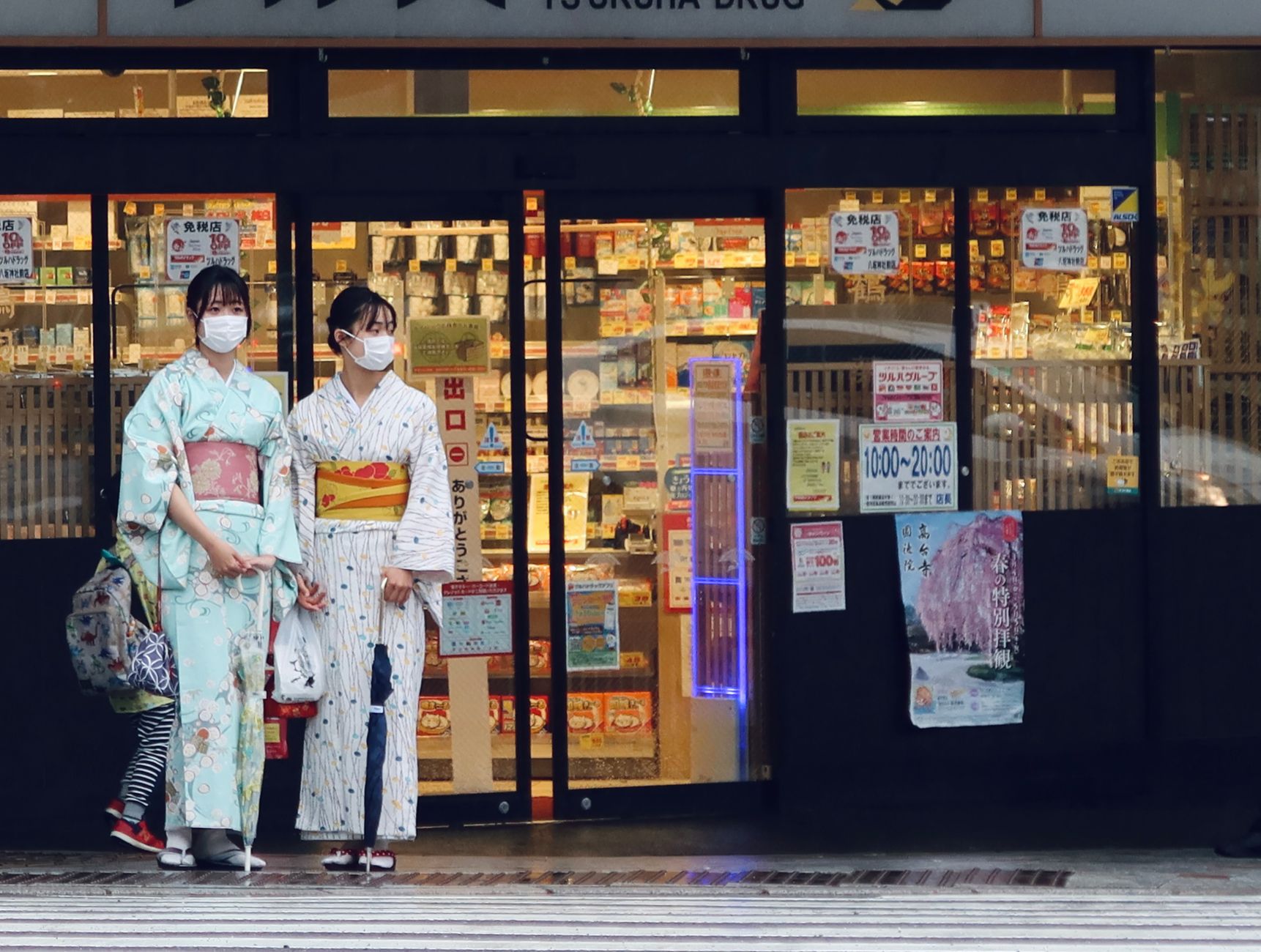
There’s a common misconception that Japan’s health system is defined purely by its tech prowess and remarkable longevity stats. But the real story behind current japan health news is demographic. As of 2023, around 28% of Japan’s population is over 65, and that single number is reshaping healthcare from the ground up, influencing everything from how doctors deliver care to how the government spends its budget.
Aging Population Statistics
Japan’s average life expectancy sits at around 84 years, which sounds like a win until you look at what it costs to sustain. Per capita healthcare spending runs about $4,150 annually, and that figure keeps climbing as chronic conditions pile up in an older population. When I look at japan health news from the past few years, the sustainability question comes up constantly, and honestly, I’m not sure anyone has a clean answer yet. The system works, for now, but it’s under real pressure.
Family structures are shifting too. More older adults are living alone than a generation ago, and the traditional model of family caregiving is fraying. Communities are being asked to fill that gap, which is a big ask.
Major Health Challenges
Three conditions keep appearing at the top of every japan health news report on elder care, and they’re connected in ways that make them harder to tackle separately.
- Diabetes: Driven by dietary changes and sedentary habits, especially among older adults.
- Dementia: Affects patients and their caregivers equally, creating a ripple of need across households.
- Cancer: Japan’s diagnosis rates rank among the world’s highest, partly because an older population simply develops cancer more often.
Each condition demands its own strategy. Lumping them into a single “aging problem” is the mistake a lot of policy documents make, and it tends to produce solutions that are too broad to actually help anyone.
Telemedicine Growth in Japan
COVID pushed telemedicine adoption faster than anyone expected. From what I’ve seen in japan health news coverage, uptake roughly doubled in some regions during the pandemic years, and a meaningful portion of those new users stuck around. Older patients especially appreciate skipping the commute to a clinic, particularly those with mobility issues. So the convenience argument is real.
That said, there’s an obvious catch. A decent chunk of seniors aren’t comfortable with smartphones or video calls, and rolling out telemedicine without addressing that gap just creates a two-tier system. It’s a genuine downside that doesn’t get enough attention.
Innovations in Healthcare Technology
Japan has been developing robot-assisted care tools for longer than most countries, and some of them are genuinely useful now rather than just impressive at trade shows. Robots that help with lifting, mobility, and basic companionship are being trialled in care homes, with the goal of letting people age in their own homes rather than institutional settings. A client of ours working in elder care logistics mentioned that the companionship angle surprised even the developers — it turned out to matter as much as the physical help.
Health monitoring systems that feed real-time data to family members and caregivers are also being tested more widely. The technology is promising, though getting older adults to wear or interact with the devices consistently is still a work in progress.
Government Health Policies
The 2021 reforms were a meaningful step. Japanese government policy shifted toward community-based care, pushing healthcare and social services to work together rather than in separate silos. That integration is exactly what an aging population needs, because the problems are rarely purely medical. Loneliness, nutrition, mobility — these all feed into health outcomes in ways a clinic visit alone can’t fix.
Preventive care incentives have also been introduced to try to reduce long-term costs. Whether they’ll move the needle significantly is still an open question, but the direction is right.
What Japan’s Health Future Looks Like
The demographic shift isn’t reversing, so every element covered here (telemedicine, elder-care robotics, community health integration) needs to scale up in the next decade, not just pilot quietly. Japan health news will keep returning to how well these pieces connect, because individually none of them is enough. The challenge isn’t finding the right idea — it’s executing at the pace the population curve demands.
Community support systems will matter as much as clinical ones. Technology helps, but so does a neighbour checking in. Both need to be part of the plan.
FAQs
What are the top health issues in Japan?
Diabetes, dementia, and cancer are the three most pressing conditions, each disproportionately affecting older adults and placing steady pressure on healthcare resources.
How is telemedicine evolving in Japan?
Adoption accelerated sharply during the COVID-19 pandemic and has held, giving elderly patients a practical way to consult doctors without travelling to a clinic.
What is Japan’s average life expectancy?
Around 84 years, one of the highest figures globally, driven by healthcare quality and dietary habits historically associated with Japanese culture.
Leave a Reply