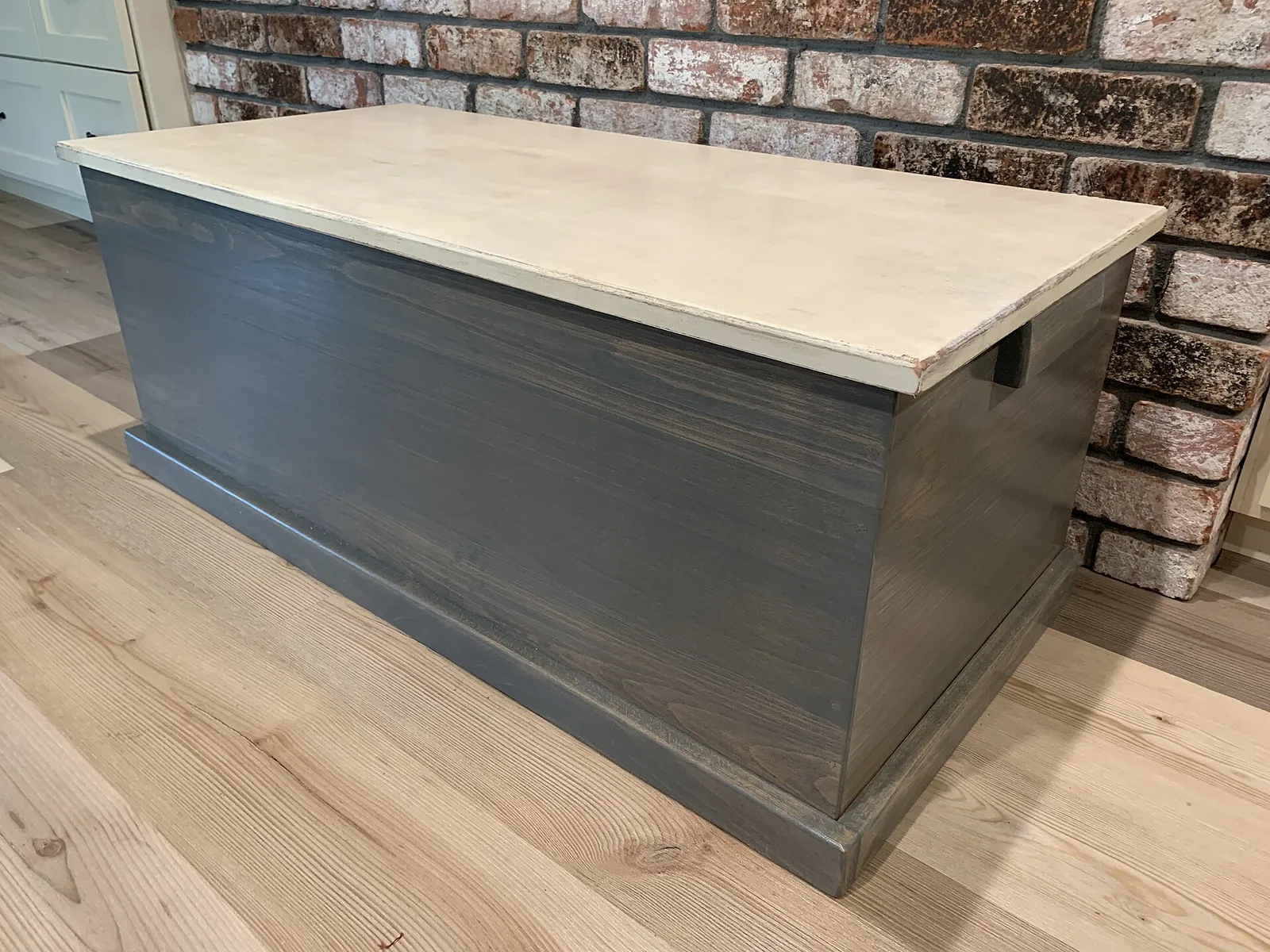
To seal painted furniture, choose a water-based polyurethane for tabletops and high-wear pieces, or a clear furniture wax for low-traffic items where you want a soft, matte feel. Whichever you choose, apply thin coats over fully dry paint and give it time to cure.
Why Sealing Matters
Many furniture paints, especially chalk and milk paints, are porous and stain easily. Water rings, oils and scuffs can mark them in no time. A protective topcoat blocks moisture and wear, and it lets you wipe the surface clean. If you are still in the painting stage, see our guide on how to paint wood furniture.
Wax vs Polyurethane at a Glance
| Feature | Wax | Polyurethane |
|---|---|---|
| Look | Soft, matte glow | Matte to gloss, depending on sheen |
| Protection | Light; moderate water resistance | Strong against water and scratches |
| Application | Rub on with a cloth or brush | Brush or wipe on in thin coats |
| Upkeep | Reapply occasionally | Long lasting, hard to repair locally |
| Best for | Dressers, decor, chairs | Tables, desks, kitchen pieces |
When to Choose Wax
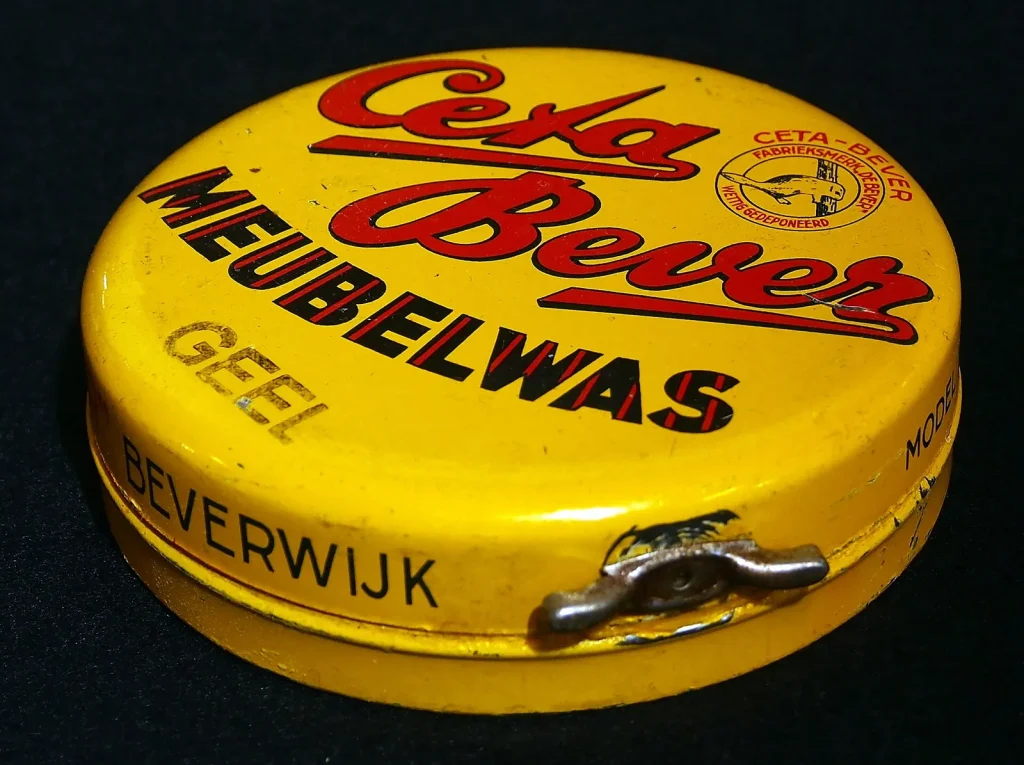
Wax suits pieces that get gentle use. It deepens the color slightly and gives a smooth, hand-rubbed feel, and it works well with a distressed furniture finish because it settles into worn edges. The downside is that it needs refreshing every so often and offers less protection from spills.
When to Choose Polyurethane
Water-based polyurethane forms a tougher film, so it is the better choice for dining tables, desks and kitchen furniture. Water-based versions dry clear and have lower odor, while oil-based versions tend to add an amber tint that can yellow over time on white or pale paint. Test on a hidden area, especially over light colors.
How to Seal Painted Furniture Step by Step
- Let the paint dry fully, ideally longer than the minimum recoat time.
- Lightly sand with very fine paper or a sponge, then wipe dust with a tack cloth.
- For polyurethane, stir the can gently so you do not create bubbles. Apply a thin coat with a quality synthetic brush or a foam applicator, following the grain.
- Let it dry as directed, then lightly sand with fine paper and wipe clean.
- Apply a second coat, and a third on tabletops.
- For wax, scoop a small amount onto a lint-free cloth or wax brush and rub it in thin layers.
- Buff the wax after it hazes, using a clean cloth.
- Let the topcoat cure before heavy use. Check the can for cure times.
Mistakes to Avoid
Thick coats of polyurethane can drip or look cloudy. Waxing over wet paint can leave sticky patches. Do not mix oil-based topcoats over wax; wax must not sit under another finish. Finally, always test over a hidden spot if you are unsure how a topcoat will react with your paint. Our comparison of chalk paint vs milk paint notes which paints benefit most from a topcoat.
Matching the Topcoat to the Piece
Think about how the furniture will be used. A bedside table might get a few coffee cups and a lamp, so a couple of thin coats of water-based polyurethane works. A decorative console may only need wax. Kids’ furniture and kitchen tables take the most abuse, so aim for extra coats and a sheen that is easy to wipe. Satin is a popular compromise because it hides small scratches better than gloss and is easier to clean than flat.
Whatever you choose, record the product and date on a note stuck inside a drawer. When it is time to refresh the finish, you will know exactly what is on the piece.
Finally, remember that a topcoat can slightly change the color of the paint underneath. Waxes darken a little, and some oil-based finishes add warmth. Brush a test patch on the back of the piece so there are no surprises on the visible surfaces.
Quick Recap
The best way to seal painted furniture is to match the topcoat to how the piece will be used. When you seal painted furniture with thin, even coats, the paint stays protected and easy to clean.
Safety Note
Ventilate well, since many topcoats release strong fumes while drying. Wear gloves and a respirator suited to the product. Oily rags from some finishes can heat as they dry, so lay them flat outdoors to dry before disposal. If sanding old paint on a pre-1978 piece, test for lead first and follow EPA-recommended lead-safe practices.
Frequently Asked Questions
Do I have to seal painted furniture?
Usually yes. A topcoat protects the paint from stains, moisture and scratches, particularly with porous chalk or milk paint.
Can I put polyurethane over chalk paint?
Yes, as long as the paint is fully dry. Choose a water-based product if you do not want the finish to turn yellow, and test first.
How often do I reapply wax?
It depends on use, but high-touch pieces may need a refresh every year or so, and decor pieces much less often.
Can I seal furniture with spray sealer?
Yes. Spray clear topcoats exist, and they give a thin, even coat if you use several light passes in a ventilated area.
How long before I can use sealed furniture?
Check the label. Light use may be fine after a day, but full cure can take days to weeks.