To strip paint from furniture safely, test for lead first, work in a well-ventilated space, apply a suitable stripper, let it soften the paint, and then scrape with the grain. The job is slow rather than hard, and patience protects both you and the wood underneath.
Check for Lead Before You Touch Anything
This comes first. Paint on furniture made before 1978 may contain lead, and sanding or scraping can make dust or chips that are hazardous, especially for children and pregnant people. Use a lead test kit from a hardware store. If the result is positive, follow EPA-recommended lead-safe work practices, or have a certified professional strip it. You can read more at the EPA lead page.
When Stripping Is Worth It
Not every piece needs it. If the paint is sound and smooth, scuff sanding and priming is enough, as covered in our guide to how to paint wood furniture. Strip when paint is thick, drips fill carvings, layers are flaking, or you want to show off bare wood with a clear or stained finish.
Choose Your Method
| Method | Best for | Watch out for |
|---|---|---|
| Chemical stripper | Carvings, curves, multiple layers | Fumes, skin burns, needs good ventilation |
| Scraping and sanding | Flat surfaces, thin paint | Dust; gouging soft wood |
| Heat gun | Thick paint on large flat parts | Scorching wood, fire risk, lead fumes on old paint |
For most home projects, a chemical stripper with a plastic or putty scraper is the gentlest on wood. Many current strippers are labeled as lower-odor, but they still need ventilation. See the general description of paint strippers for how the product types differ.
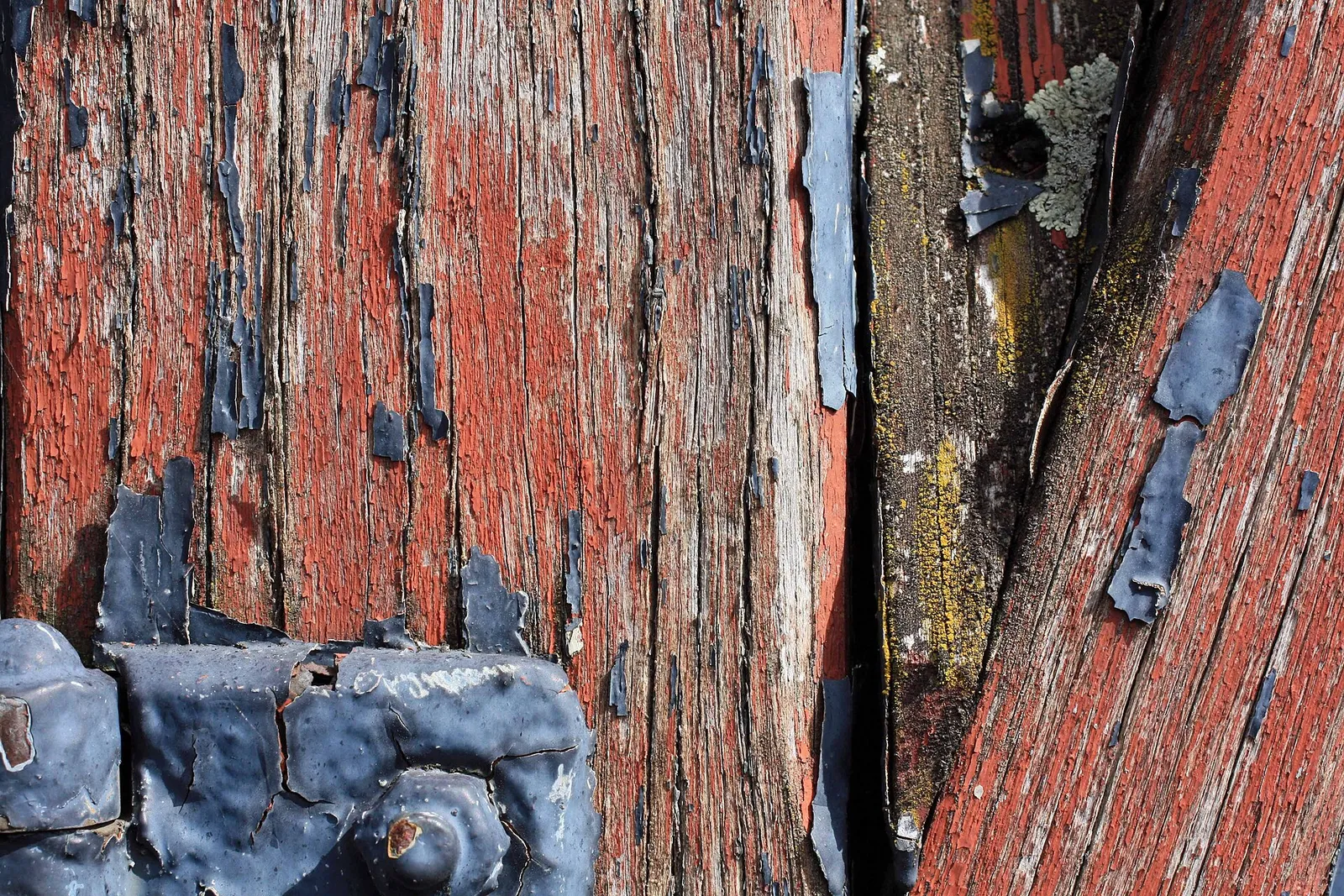
How to Strip Paint From Furniture Step by Step
- Move the piece outside or into a garage with the doors open. Lay down heavy plastic or a drop cloth.
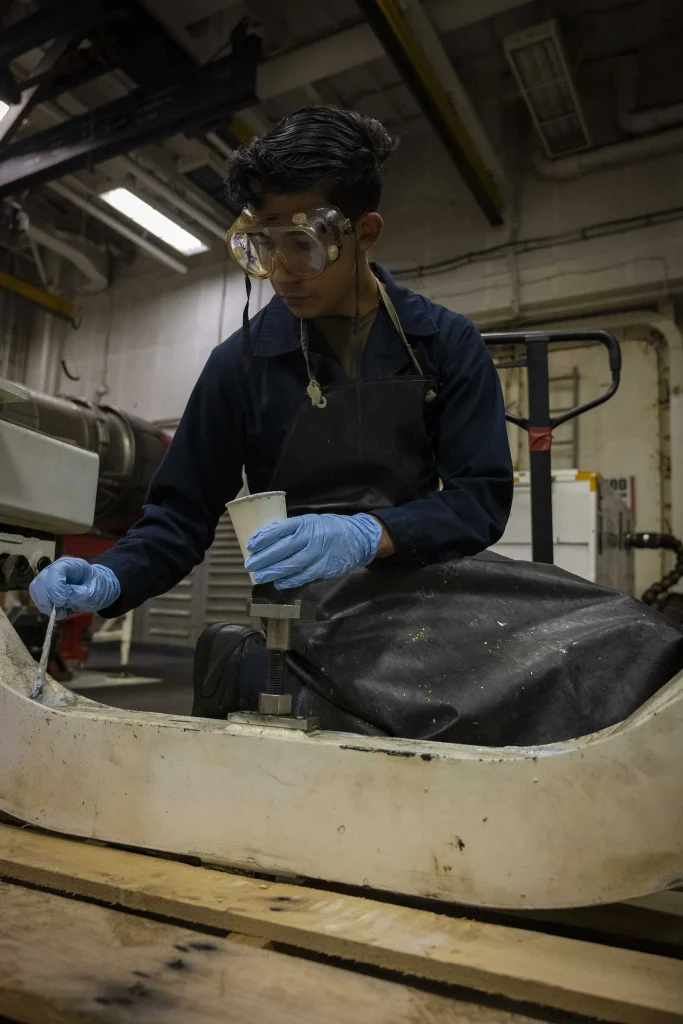
- Wear chemical-resistant gloves, safety goggles, long sleeves and a respirator rated for the stripper you use.
- Remove hardware and drawers. Work on one section at a time.
- Brush on a thick, even layer of stripper. Do not keep going back over it.
- Wait the time stated on the label. You should see the paint wrinkle or bubble.
- Scrape gently with the grain using a plastic scraper. Use a brass brush or old toothbrush in carvings.
- Repeat on stubborn layers. Do not rush; a second round is better than gouging the wood.
- Clean off residue with the neutralizer or solvent the label recommends, then let the wood dry fully.
After Stripping: Sand and Finish
Once dry, sand with 120 grit and move up to 180 or 220 for a smooth surface. Wipe off dust and check for leftover paint in the grain. Then you can stain, apply a clear topcoat, or prime and repaint. If you prefer a quicker route for a worn look, try a distressed furniture finish instead of full removal.
Dealing With Carvings and Tight Spots
Detailed pieces are where stripping gets slow. Use an old toothbrush, a wooden skewer or a brass-bristle brush to coax paint out of grooves. Steel wool can scratch, so be gentle on softwoods, and use fine bronze wool when you must. If a stubborn patch survives two rounds, apply stripper again and cover it with plastic wrap to keep it wet longer. Let it work rather than scraping harder.
Take breaks. Stripping is repetitive, and fatigue leads to gouges and spills. Keep a bucket nearby for scraped paint, and never let it go down a drain. Check your local rules for disposal, as stripped paint and spent solvents are often treated as household hazardous waste.
Keep an eye on the weather if you work outdoors. Stripper dries out quickly in hot sun and works slowly in the cold, so shade and mild temperatures give the best results. Cover the stripped area with a sheet of plastic if you need to step away for a while.
Quick Recap
To strip paint from furniture without regret, test for lead, ventilate, let the stripper do the work and scrape gently. When you strip paint from furniture slowly, the wood underneath stays crisp and ready for a fresh finish.
Safety Note
Ventilation is essential with any stripper. Keep it away from pets and kids, avoid open flames and sparks, and dispose of used stripper and rags according to your local hazardous waste rules. Spread used rags flat to dry outdoors before disposal, since some can heat up as they dry.
Frequently Asked Questions
Can I strip paint from furniture without chemicals?
Yes, with scraping, sanding or a heat gun, but these create dust or fumes and work best on thin paint or flat surfaces. On old paint, test for lead first.
How long does stripper take to work?
It varies by product and number of layers, usually from several minutes to a few hours. Follow the can, and do not let the stripper dry out on the surface.
Will stripper damage veneer?
It can. Veneer is thin and water or aggressive chemicals can lift it. Test a hidden spot, use a gentle product and avoid soaking the surface.
Do I need to neutralize the wood afterward?
Many strippers call for a rinse with mineral spirits or water, depending on type. Check the label, since leftover residue can stop new finishes from bonding.
Should I strip or just paint over?
If the old paint is smooth and well bonded, scuff sanding and priming is easier. Strip when paint is peeling, very thick or hiding detail.