The most reliable way to test paint samples is to paint large patches, at least two feet square, on more than one wall, then look at them in morning, midday and evening light before you buy gallons. A small chip or a tiny dab on the wall tells you very little, because color changes with light, surrounding colors and sheen.
Why You Need to Test Paint Samples
Paint chips are printed, so they cannot match wet paint exactly. Light is even trickier. The same shade looks cooler in north light, warmer in south light and different again under a warm bulb. Neighboring colors affect it too: a gray next to a warm wood floor can look blue. Testing puts the real color in your real room. It is cheap insurance against repainting a whole room.
What You Need
| Item | Why |
|---|---|
| Sample pots or sample-size paint | Real paint in your chosen finish |
| White poster boards or primed boards | Movable test surfaces |
| Small brush or mini roller | To mimic how it will be applied |
| Painter’s tape | Clean edges and hanging boards |
| Primer or white base paint | Stops the old color from showing through |
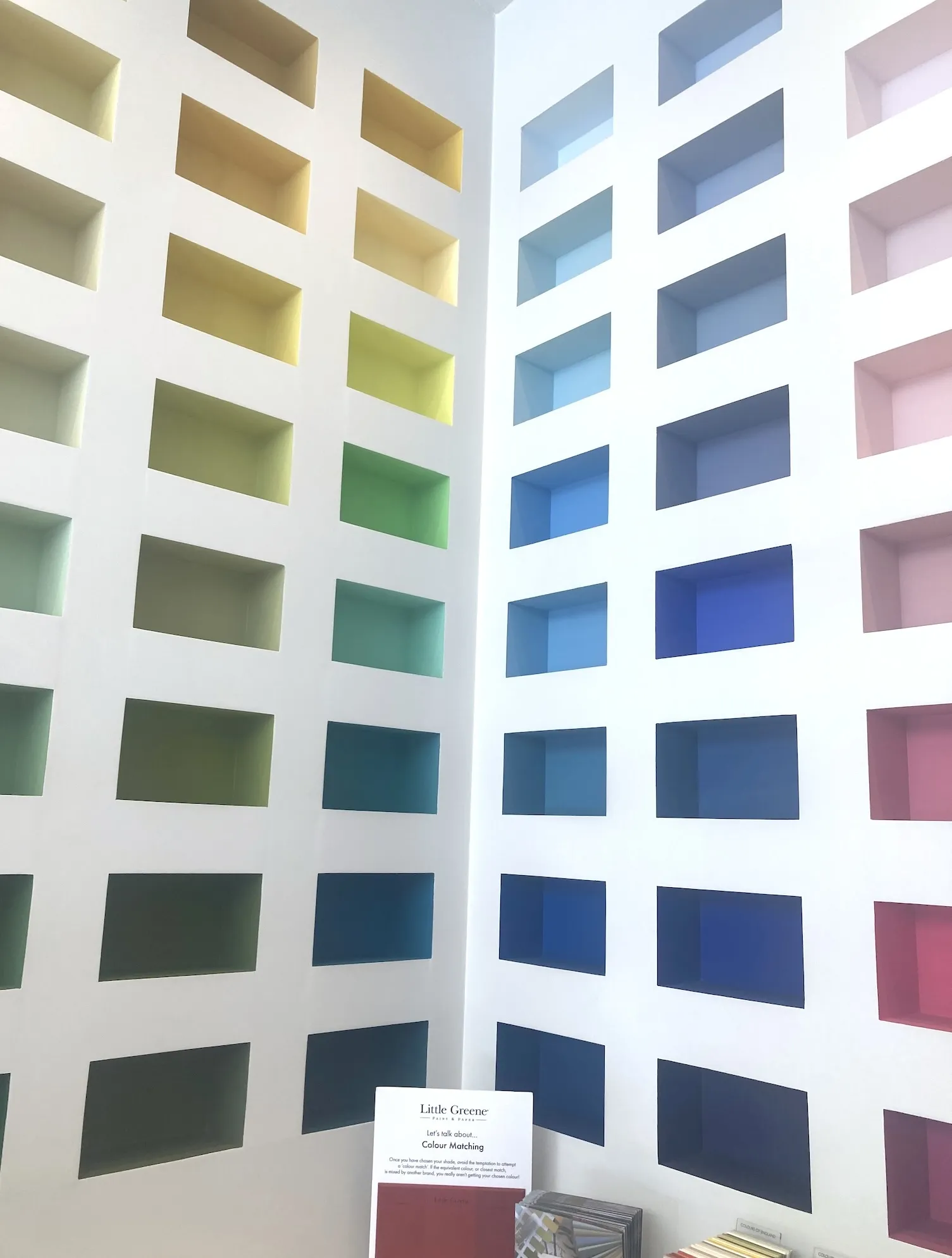
Step by Step: How to Test Paint Samples
- Narrow your choices to two or three. Too many options make comparison hard.
- Prime the boards with white or paint a white rectangle on the wall, so the old color does not change the sample.
- Apply two coats of each sample, allowing the drying time on the can between coats.
- Leave a white border around each patch. It stops the neighbors from influencing each other.
- Check the patches at several times of day and with the lights on at night.
- Move the boards to other walls and corners. The darkest corner shows the worst case.
Boards or Wall Patches?
Painted boards
These can be moved between rooms and walls, and they avoid creating patchy spots you must cover. They are good for comparing several rooms.
Wall patches
Painting straight on the wall shows how the color looks with your trim and floor. If you paint the wall directly, use a primed spot or a large white square beneath it. Sample patches can be covered later, but dark ones may need primer to hide.
What to Look For
Look at the color next to your floor, trim, furniture and curtains. Notice whether it shifts toward pink, green or blue. If it does, check our explanation of warm vs cool paint colors to understand why. Check the sample next to your fixed items, and view it from across the room, not just up close. Light reflectance value on the chip tells you how much light the color reflects, which can also help in dim rooms. To test paint samples well, give each one at least a full day of viewing before you decide.
Different rooms call for different choices. If you are painting a small space, see our paint colors for small rooms. When you have decided, use our paint quantity guide to buy the right amount.
Common Mistakes When You Test Paint Samples
The most frequent error is judging a color right after painting it, while it is still wet and looks darker. Wait until it dries fully. Another is testing on only one wall, which hides how the color changes with the light. A third is putting patches too close together so the colors blend in the eye. Keep them apart with white space, and view them from across the room rather than only at arm’s length.
Finally, remember your sample is only as accurate as the paint in the pot. If the color looks off, compare the paint code and finish with what you ordered. Take photos if you like, but trust your eyes in the room since phone cameras shift color.
Safety Note
Sample painting is quick, but still ventilate the room. Do not sand or scrape old paint on an older home without a lead check.
If your home was built before 1978, the existing paint may contain lead. Use an EPA-recommended lead test kit before sanding or scraping, and follow lead-safe work practices if the result is positive (see the EPA renovation and painting guidance).
Frequently Asked Questions
How big should a paint sample be?
At least two feet by two feet. Larger is better, because small swatches mislead the eye.
Can I just use the paint chip?
A chip is a starting point only. Printed color differs from wet paint and does not show how light changes it.
How long should I look at a sample?
Ideally a day or two, through morning, afternoon and evening, plus under your lamps.
Do I need primer under the sample?
If the wall is a strong or dark color, yes, or use a white-painted board. Otherwise the old color can show through.
Should I test the same finish I will use?
Yes. Sheen changes how color looks, so match matte, eggshell or satin to your final choice. You can read more about light and color on Wikipedia’s light reflectance value page.