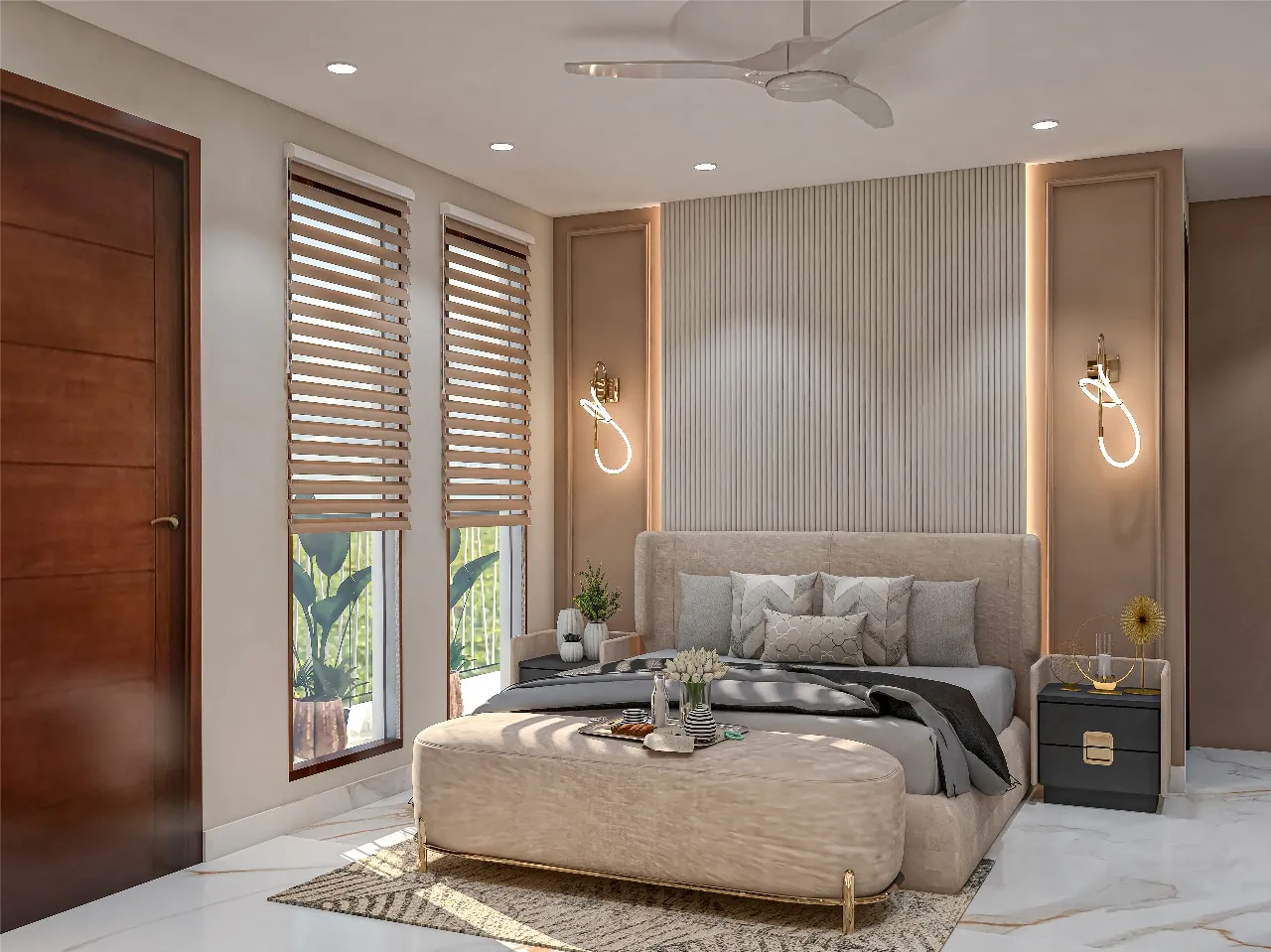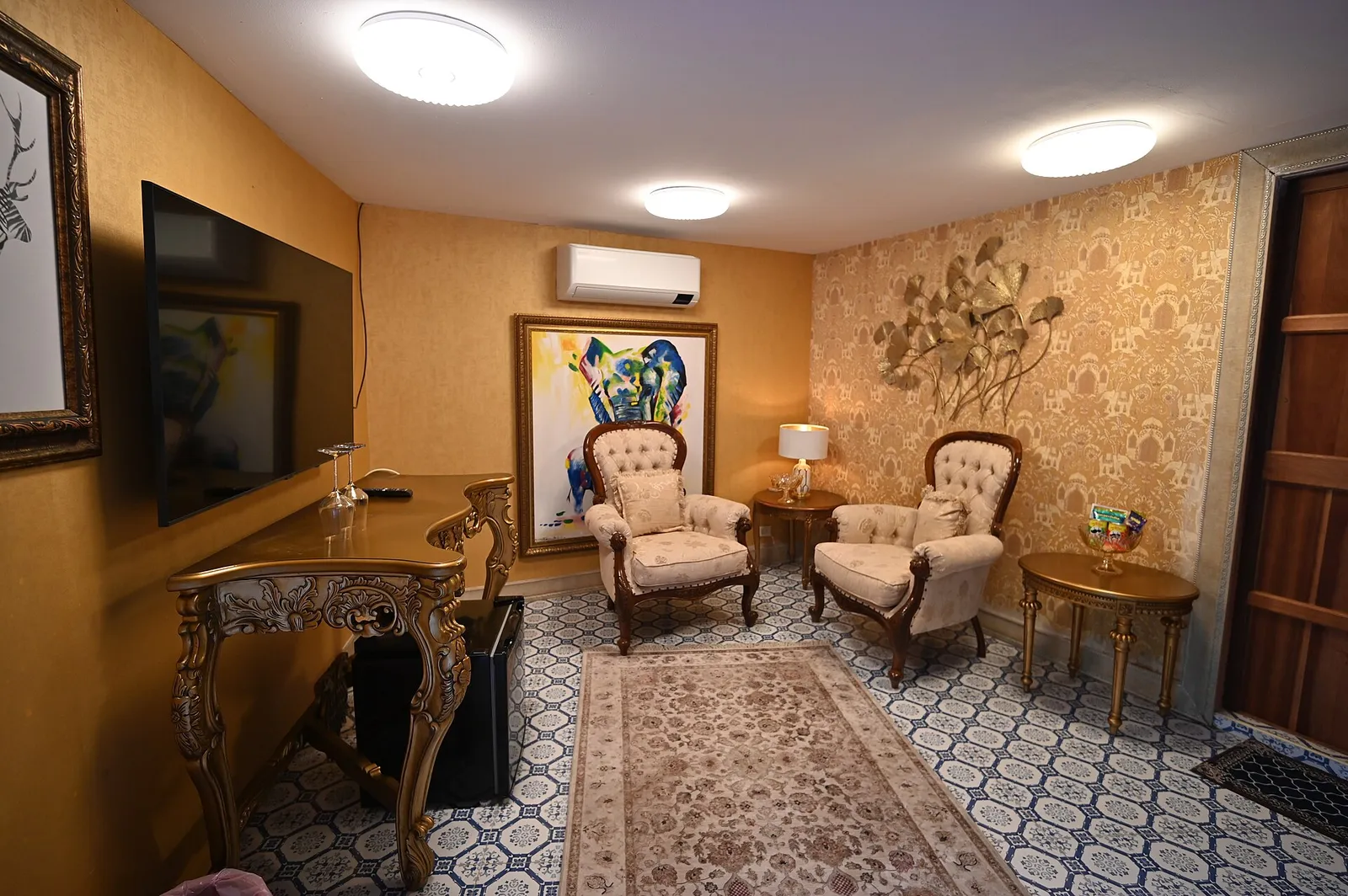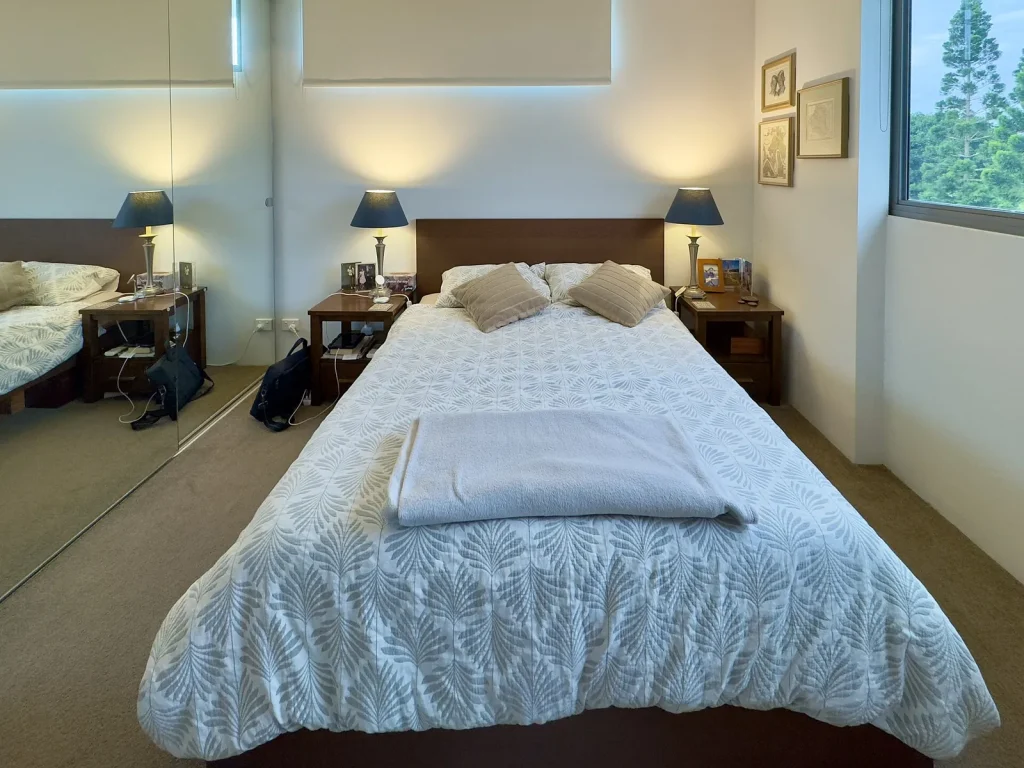
The best paint colors for small rooms are light, softly warm or cool shades with a high reflectance, such as warm whites, pale greige, misty blue-gray and soft sage. They bounce daylight around, blur the corners and make walls feel farther away. That said, a small room does not have to be pale. A deep, saturated shade can make a tiny space feel cozy and deliberate if you commit to it.
Why Paint Colors for Small Rooms Matter So Much
Your eye reads a room by its edges: where the walls meet the ceiling, the floor and each other. Light shades reflect more of the light that enters the room, so those edges look softer and the room looks airier. Dark shades absorb light, which brings the walls forward. Neither effect is good or bad. It just depends on what you want the room to do.
Lighting matters as much as the color on the can. A north-facing room tends to look cooler and grayer, while a south-facing one runs warmer. Always judge a shade in your own room, at morning, midday and evening. Our guide to how to test paint samples walks through that process.
The Best Paint Colors for Small Rooms
Warm whites and soft creams
A white with a touch of yellow or beige avoids the cold, hospital feel that stark white can have in a room with little sun. It works almost everywhere and pairs with wood tones.
Greige and light taupe
A gray-beige blend is forgiving. It hides small shadows, suits most furniture and will not fight with a patterned rug or art.
Pale blue-gray and sage green
Cool, muted tones recede visually, which is helpful in a narrow hallway or small bathroom. Pick versions with a little gray in them so they do not look sugary.
Dark and moody shades
Deep navy, forest green or charcoal can make a small den, powder room or entry feel snug and rich. Use them where you spend short stretches of time, and add good lighting.
Quick Comparison of Small Room Color Options
| Color family | Best for | Watch out for |
|---|---|---|
| Warm white | Dim rooms, rentals, trim | Can look yellow in warm light |
| Greige | Living rooms, bedrooms | Some read pink or green |
| Blue-gray | Bathrooms, hallways | Can feel chilly facing north |
| Sage green | Bedrooms, offices | Too much yellow looks muddy |
| Deep navy or green | Powder rooms, dens | Needs layered lighting |
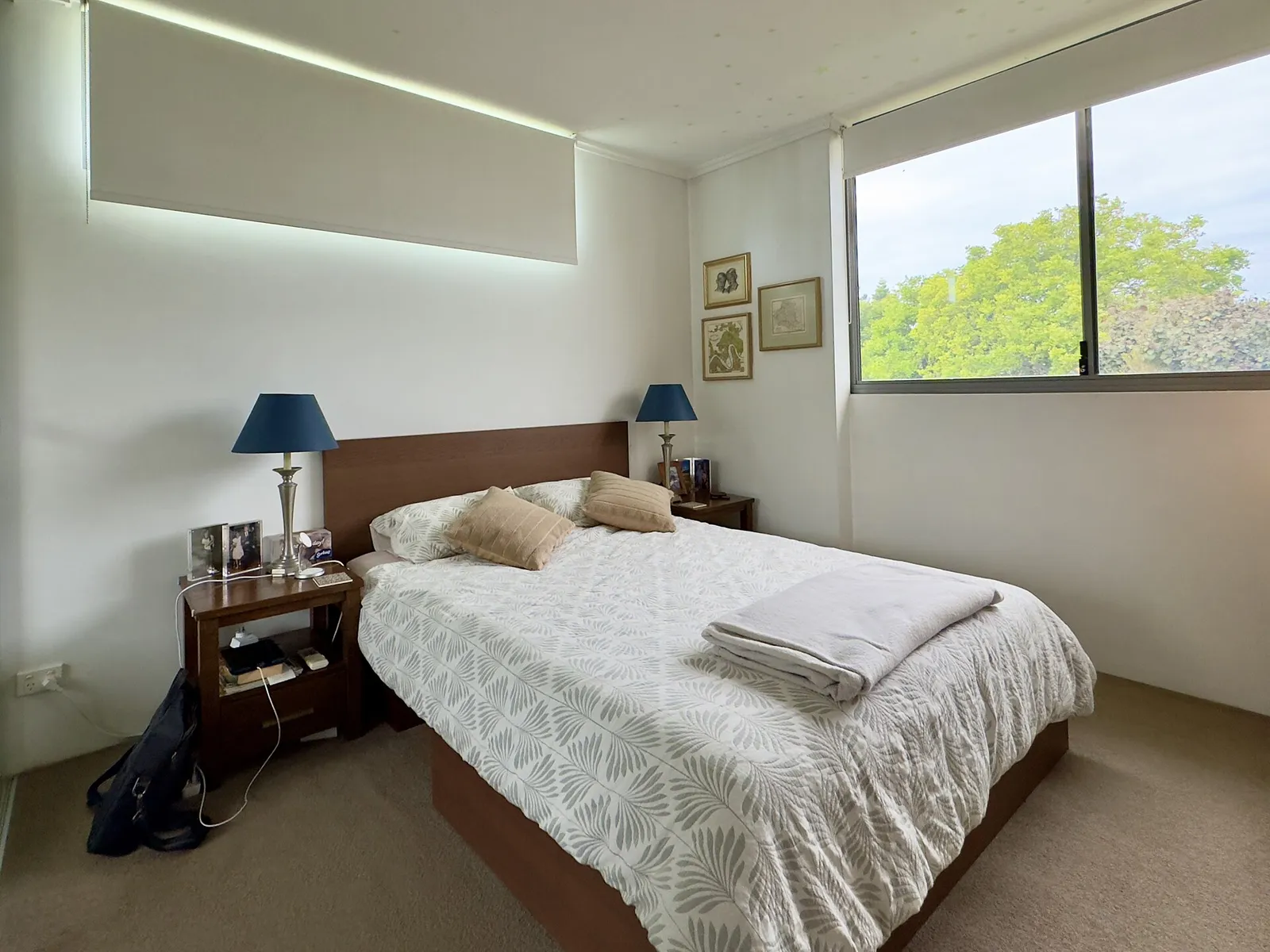
Tricks That Make Paint Colors for Small Rooms Work Harder
- Paint the walls and trim the same color, or keep trim only slightly lighter, so there are fewer visual breaks.
- Take the ceiling a shade lighter than the walls, or the same color for a seamless look.
- Choose a finish with a little sheen, such as eggshell, which reflects a bit more light. See our paint sheen guide for where each finish fits.
- Keep the palette to two or three related colors across connected rooms.
- Add contrast through fabric, art and wood rather than through several wall colors.
Using Dark Paint in a Small Room on Purpose
If you love a dark shade, put it on all four walls and the ceiling rather than on one wall. A single dark wall in a tiny room can look like a patch. When everything is the same color, the corners disappear and the room reads as a deep, wrapped space. A lighter accent, such as a feature wall, is a better fit for larger rooms; our accent wall ideas cover those.
Room-by-Room Picks for Small Spaces
Small bedrooms
Soft, low-contrast shades suit a bedroom best. Pale sage, dusty blue or a warm greige help the room feel restful. Of all the paint colors for small rooms, these are the ones that cope best with limited daylight and still look relaxed at night. For more ideas, read our guide to {L((“calming-bedroom-paint-colors”,”calming bedroom paint colors”))}.
Small bathrooms and powder rooms
These rooms are used briefly, so you can be bolder. A light blue-gray keeps things clean and bright, while a deep green or navy turns a tiny powder room into a surprise. Use a moisture-resistant paint made for bathrooms and run the fan.
Small kitchens and entryways
In a galley kitchen or narrow entry, light warm whites keep the space bright and make cabinets look less heavy. If you paint the cabinets too, a soft color that matches the walls reduces visual clutter.
Common Mistakes to Avoid
The first mistake is picking from a tiny chip. A shade that looks soft on a card can look much stronger on four walls. The second is ignoring undertones: a gray that looks neutral in the store may turn blue or purple in a room with cool light. The third is using a stark bright white on everything, which can make a small room feel sterile. Finally, do not forget the floor and big furniture. Paint colors for small rooms work best when they relate to what is already there, so hold a chip against your sofa and floor before you buy.
Safety Note
Small rooms hold fumes, so open a window, run a fan and take breaks while you paint. Choose low-VOC paint when you can. Wear a dust mask while sanding.
If your home was built before 1978, the existing paint may contain lead. Use an EPA-recommended lead test kit before sanding or scraping, and follow lead-safe work practices if the result is positive (see the EPA renovation and painting guidance).
Frequently Asked Questions
What is the best single color for a small room?
A warm white or light greige is the safest of all paint colors for small rooms. It works with most lighting and furniture, and you can always add color with accessories.
Should I paint a small room white?
White is a good option, but choose one with a hint of warmth if the room gets little sun. Pure bright white can look flat or cold in shade.
Can I use a dark color in a small room?
Yes. Dark colors give a cozy, enclosed feel. They do not make the room physically bigger, but many people prefer the depth they create.
Does the ceiling color matter?
It does. A lighter ceiling lifts the room, and matching the wall color blurs the boundary between wall and ceiling.
How many paint colors for small rooms can I combine?
Two or three related shades are plenty. Too many contrasts break the space into smaller pieces and make it feel busier.
For a broader overview of how hues interact, the color theory article on Wikipedia is a solid primer. Before you buy, check our paint calculator guide so you buy the right amount.