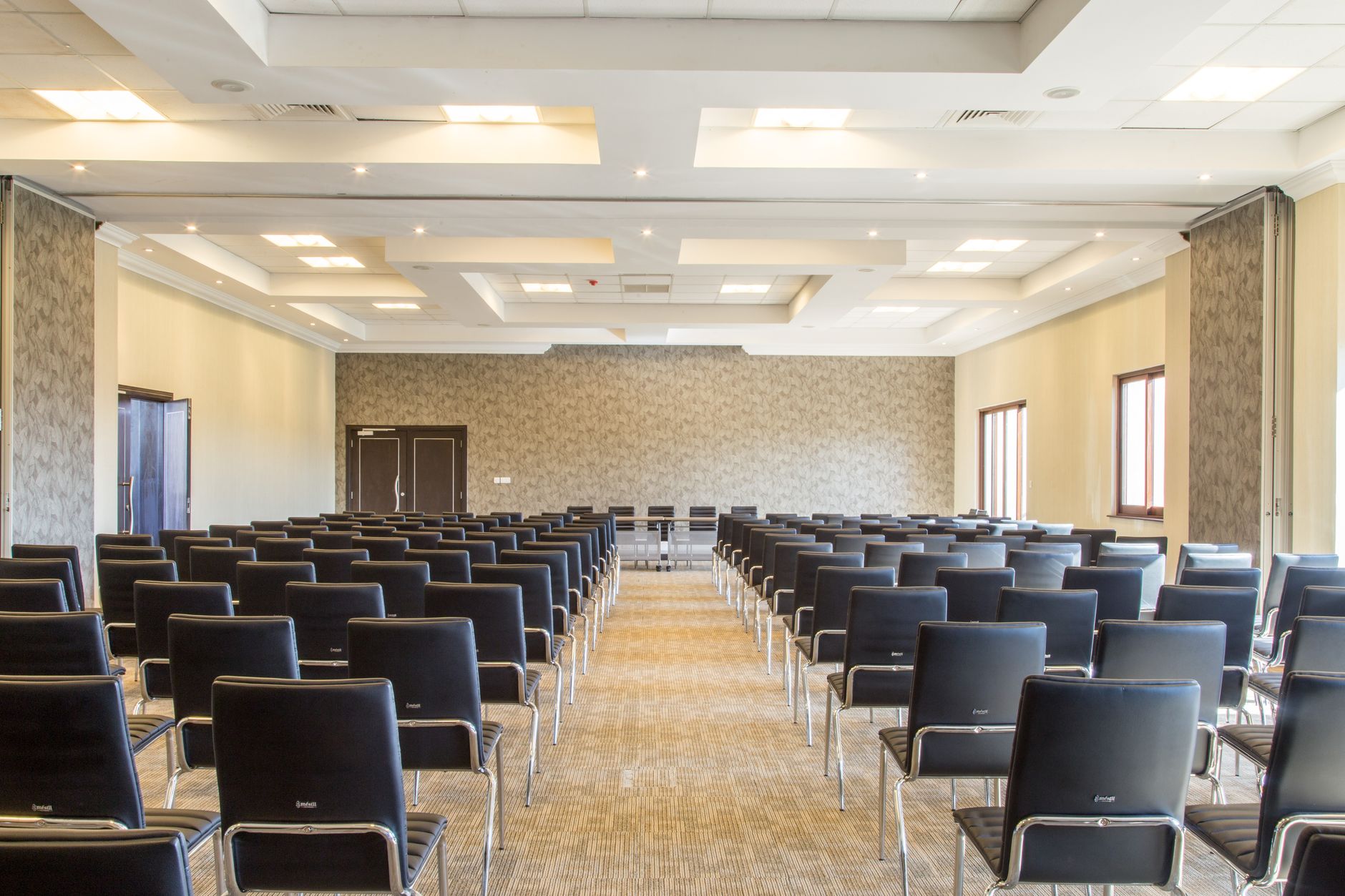
Last month I sat through a business meeting in a converted warehouse, graffiti on the walls, lounge chairs instead of conference tables. It felt more like a creative studio session than anything that belonged in a boardroom. That experience got me thinking seriously about how unconventional business meeting venues can shift the energy in a room and actually change what comes out of one.
When you move away from traditional meeting spaces, people interact differently. Fresh surroundings seem to loosen people up. Below I’ll walk through some unusual venue types, what they cost, why they work, and which cities are worth exploring if you’re ready to try something different.
Unique venues for business meetings
- Art Galleries: Well-lit, open, and visually interesting. Capacity tends to run from 30 to 200 people depending on the gallery, and the artwork gives people something to talk about before the agenda even starts.
- Museums: These can hold 50 to 300 attendees, and the environment naturally encourages curiosity. A client of ours booked a natural history museum for a product kickoff and said the room felt electric all day.
- Rooftop Spaces: Views help. Somewhere between 20 and 150 guests fit comfortably, and the open air tends to keep energy from going flat the way it does in a basement conference room.
- Theaters: Ideal when you need a real presentation setup. Some theaters handle up to 500 attendees, so they scale well for larger business gatherings.
- Cafés or Restaurants: Rent a private section in a place with character. These usually fit 10 to 100 people and often come with a minimum food and drink spend rather than a flat room fee.
Cost comparisons of venue types
Pricing shifts a lot based on city, capacity, and what’s included. Here’s a rough per-hour breakdown for different business meeting venues:
| Venue Type | Estimated Cost Per Hour |
|---|---|
| Art Galleries | $150 – $500 |
| Museums | $400 – $1,200 |
| Rooftop Spaces | $300 – $800 |
| Theaters | $500 – $2,500 |
| Cafés/Restaurants | $100 – $400 |
These numbers move around depending on your city and booking length. And honestly, museums can surprise you on the high end, especially in major metros.
Benefits of creative spaces
From what I’ve seen, the venue genuinely affects what happens inside the meeting, not just how it looks in photos afterward.
- Enhanced Creativity: People think differently when they’re not staring at the same drop ceiling they’ve seen every Tuesday for three years. Unusual surroundings seem to lower the mental guardrails.
- Increased Engagement: Less formal settings tend to produce more participation. Attendees who go quiet in a boardroom often open up when they’re comfortable.
- Networking Opportunities: Interesting spaces give people something to react to together, which makes small talk easier and personal connections more likely.
- Memorability: Meetings in unique locations stick. The decisions and ideas discussed tend to carry more weight when the day itself is memorable.
Top cities for unconventional venues
Some cities just have more to work with.
- Los Angeles: Art galleries and rooftop business meeting venues are everywhere, and the range suits groups of almost any size or budget.
- New York City: Historic lofts, art spaces, and restaurants with private rooms are packed into the city. Competition keeps quality reasonably high.
- Austin: Warehouses, outdoor terraces, and venues with actual personality. Austin’s culture makes it easier to find a space that doesn’t feel corporate even when the meeting is.
Success stories from unique meetings
Two examples come to mind that illustrate what’s possible. A tech startup I know booked an art gallery for a full-day brainstorming session. The open layout and rotating artwork kept people visually stimulated, and they landed a product direction by mid-afternoon that had been stuck for weeks in their usual office. Team members said they contributed more freely than they usually do, which I think matters more than any specific outcome.
The second involved a corporate team that held a retreat on a rooftop in New York. The relaxed atmosphere pushed the conversation past surface-level reporting into actual strategy. They left with a short list of actionable growth ideas, which is more than most retreats produce (in my experience, most produce a slide deck nobody opens again).
Choosing the right venue for impact
The honest caveat here is that a creative space won’t save a poorly planned meeting. The venue needs to match your purpose. A rooftop works beautifully for open discussion but gets awkward for a 90-slide presentation in direct sunlight. So start with what the meeting actually needs, then find business meeting venues that serve it. Check that the space fits your headcount, has the tech you need, and is accessible to everyone attending. A well-chosen venue makes the day more memorable and the work that follows easier to act on.
FAQs
What are unique business meeting venues?
Non-traditional spaces like art galleries, museums, rooftops, or theaters that encourage creativity and engagement rather than replicating a standard conference room.
How much do unconventional venues cost?
Typically $100 to $2,500 per hour, depending on venue type, city, and capacity.
What factors to consider when booking a venue?
Capacity, location, available tech, accessibility, and whether the space actually fits the purpose of your meeting.
Leave a Reply