Category: Fashion

  • 1990s Mens Fashion Trends Still Shaping Streetwear Today

    1990s Mens Fashion Trends Still Shaping Streetwear Today

    1990s mens fashion introduced the baggy jean, and surprisingly, a pair of wide-leg denim that would fit right in at a 1995 high school hallway now retails for about $120 at mainstream stores. This isn’t just nostalgia pricing. It’s a reflection of demand. It’s odd how few expected this revival to last, but three or four years on, those baggy silhouettes are still going strong.

    Let’s use a familiar example: Will Smith’s outfit from the early seasons of The Fresh Prince of Bel-Air. Think bright oversized shirts, high-top sneakers, and loose trousers. Back then, it felt unique to him, almost cartoonish. Now, it closely mirrors what you’d see on a streetwear-savvy guy in 2024. This isn’t by chance, and it’s worth exploring why.

    1990s Style Trends

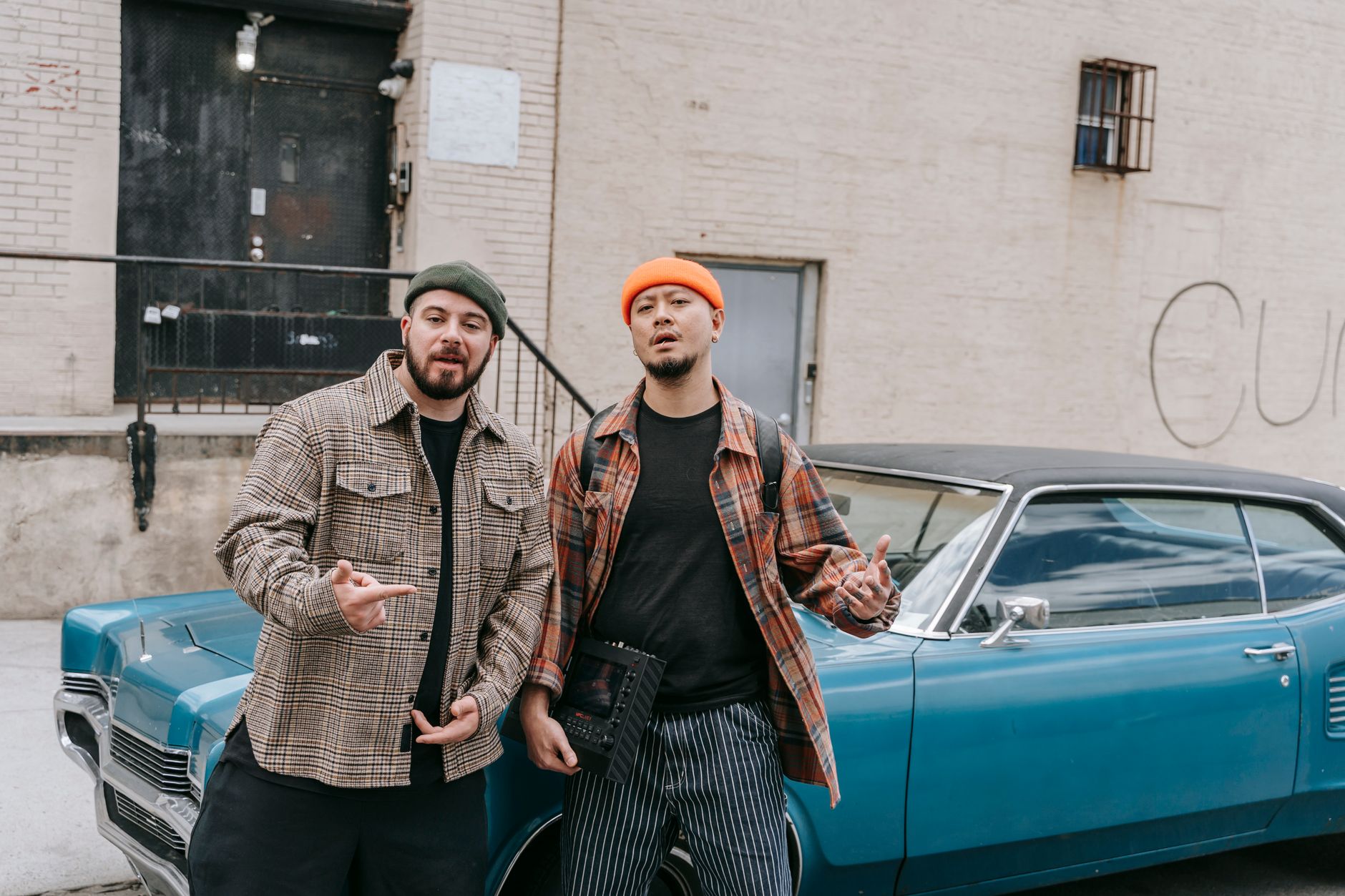
    The decade featured two contrasting styles that somehow coexisted. On one hand, there was grunge: open flannel shirts over band tees, straight-leg or baggy jeans, and worn-out canvas sneakers. On the other hand, hip-hop led the charge with huge logos and even larger fits. Both styles aggressively rejected the fitted silhouettes of the late 1980s.

    The baggy jeans were the common thread. Brands produced high-rise jeans that sat at the navel, with leg openings reaching 20 inches or more. Flannel shirts often came from workwear labels rather than fashion houses, and both styles adopted them. Meanwhile, chunky sneakers like the Nike Air Max 95 evolved from the gym to everyday wear.

    Notable Brands and Designers

    Tommy Hilfiger and Calvin Klein defined 90s logos in their own ways. Hilfiger plastered his name across chest panels and waistbands in red, white, and blue, even getting rap artists to wear his gear through generous giveaways. Calvin Klein went minimalist: clean lines and fierce simplicity. A Calvin Klein tee from 1994 looks almost indistinguishable from what the brand offers today.

    JNCO created jeans so wide that they became a cultural symbol by themselves. Polo Ralph Lauren found middle ground, where sporting a full Polo fit was a statement. Carhartt, usually a workwear brand, gained traction among skaters and grunge kids for its durability and rugged aesthetic. Most of these labels have either fully returned or are still trading on their original vibes.

    Celebrities Shaping Style

    Kurt Cobain made flannel shirts and comfy cardigans a purposeful fashion choice. He even wore a $20 thrift store cardigan during Nirvana’s MTV Unplugged performance, with a version of that same piece fetching $334,000 at auction in 2023. It might be an extreme case, but it shows how heavily a celebrity can influence style across generations.

    Returning to Will Smith, he proved that bold colors and volume could coexist. His outfits were loud, yet always harmonized in proportion. Then there’s TLC’s Left Eye, who styled the men around her, leading male fans to adopt oversized denim and sports jerseys. Tupac’s signature look of a do-rag, Hennessy tee, and baggy Levi’s became so iconic that it’s essentially a Halloween costume now, well, mostly a Halloween costume.

    The 90s Fashion Revival

    The revival kicked off subtly around 2018, with wide-leg trousers showing up in high-street stores. By 2021, it was undeniable. Slim jeans, which had dominated for about 15 years, began losing ground to straight and baggy cuts. Chunky sneakers made a strong comeback, with brands like New Balance, which weren’t seen as stylish in 2010, becoming must-haves.

    Gen Z played a huge role, especially with their thrifting habits. Platforms like Depop made 90s pieces easily accessible and relatively cheap, spreading the aesthetic well before brands fully caught up. By the time Levi’s reissued their 550 Relaxed Fit and Nike brought back the Air Max 97 in original colorways, the audience was already primed and ready. The time from underground find to mass retail reissue took about three years, which feels average based on what I’ve seen.

    Impact on Modern Fashion

    1990s mens fashion didn’t just resurface as a trend. It reshaped the baseline silhouette. The slim fit that ruled from around 2008 to 2018 now feels outdated, while the baggy fit hasn’t. It’s a significant turn from what most fashion writers expected just five years ago. Overall, streetwear now thrives on 90s foundations: oversized tees, chunky sneakers, and logo-driven outerwear.

    What’s fascinating is how the grunge and hip-hop styles, which seemed opposed in the 90s, have fused into today’s streetwear. You’ll find flannel layered over a sports jersey and it barely raises an eyebrow. The decade provided a flexible fashion vocabulary that we underestimated at the time.

    FAQs

    What were the key styles in 1990s men’s fashion?

    Baggy jeans, flannel shirts, chunky sneakers, and logo-heavy sportswear from brands like Tommy Hilfiger and Calvin Klein defined the decade.

    How did celebrities influence men’s fashion in the 90s?

    Celebrities like Kurt Cobain and Will Smith made specific garments and looks culturally significant, leading to trends widely adopted within months.

    Why is 1990s fashion becoming popular again?

    Gen Z’s thrifting culture brought authentic 90s pieces to the forefront, and mainstream retailers followed by reissuing these styles, making them widely accessible and desirable by the early 2020s.
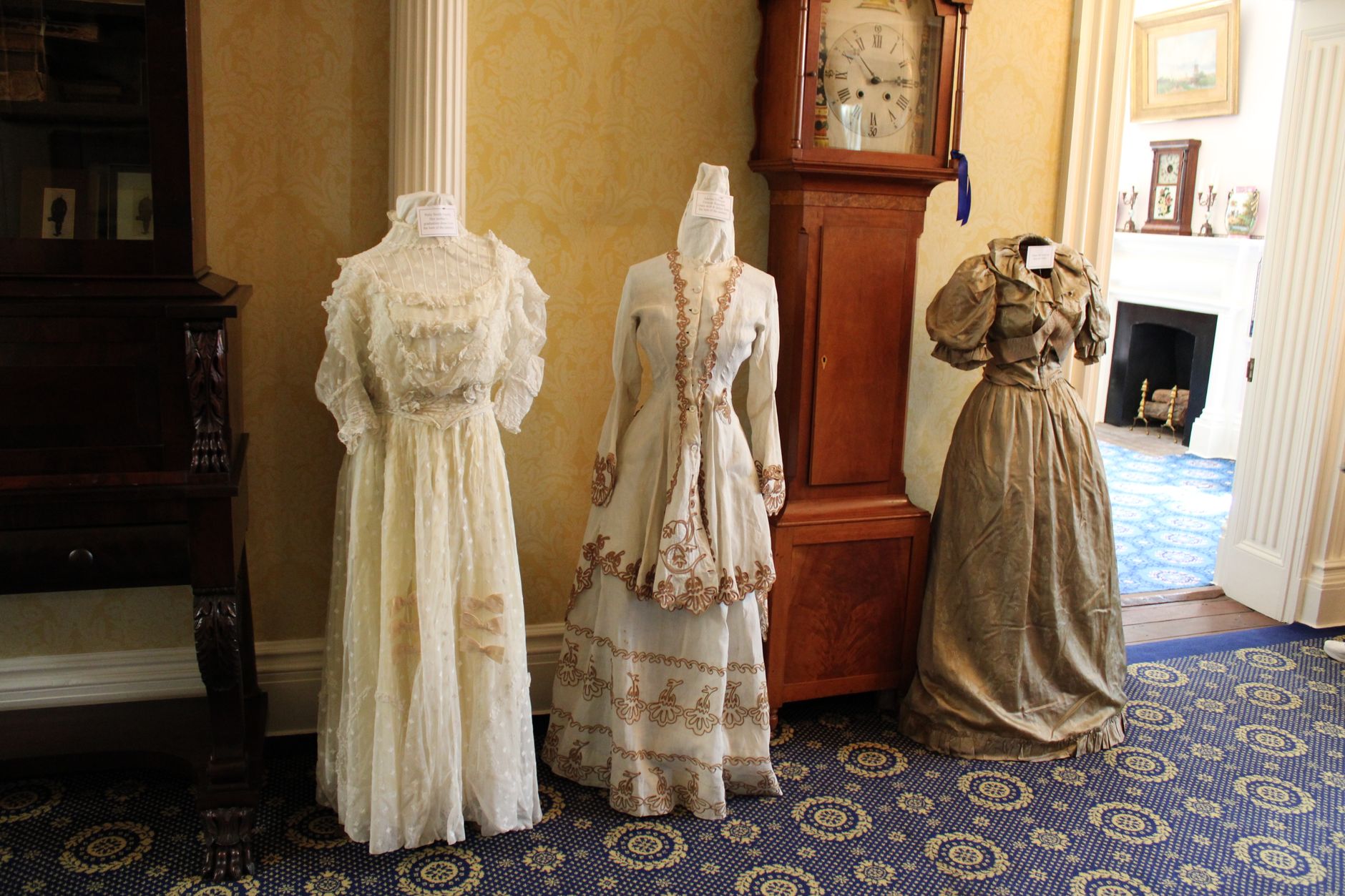
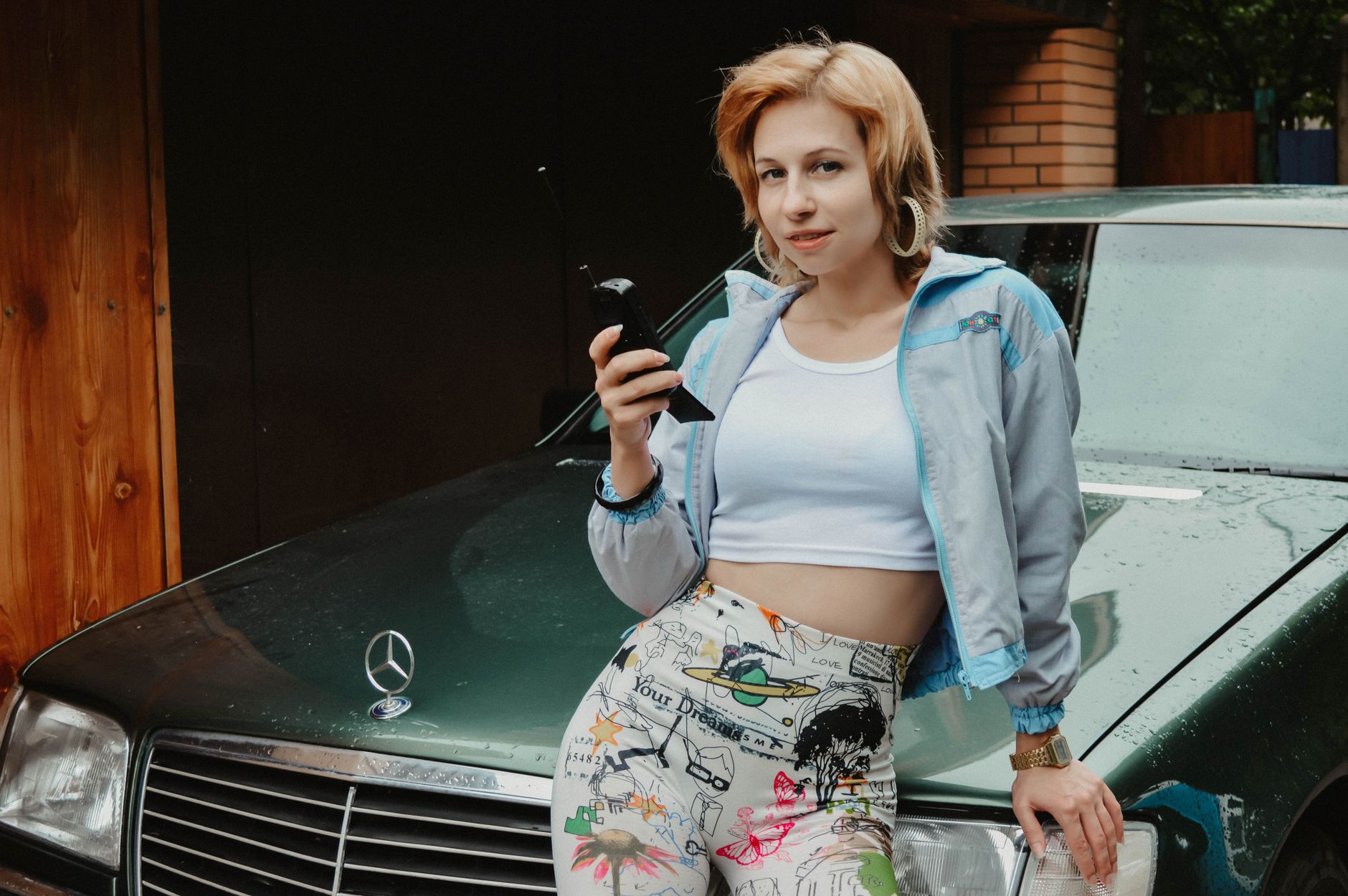
  • Georgian Era Fashion Styles Across Four Reigns 1714 1830

    Georgian Era Fashion Styles Across Four Reigns 1714 1830

    Georgian era fashion is like a political statement you could wear. Spanning from 1714 to 1830 during the reigns of four King Georges, it evolved from extravagant court displays to minimalist neoclassical styles. Each major change often coincided with wars, revolutions, or power struggles. That’s what makes the fashion so fascinating, beyond just pretty portraits in museums.

    Many costume histories treat this period as one continuous aesthetic journey, which misses how tumultuous the changes really were. The silhouettes of 1740 and 1800 look barely related, reflecting not just shifts in taste but the social dynamics at play. It was about who was thriving, who was fearful, and what messages they wanted to send.

    Defining Georgian Era Fashion

    The pannier is perhaps the most iconic image of early Georgian fashion. This side hoop structure pushed women’s skirts out wide rather than front-to-back. By the 1740s, some court gowns were nearly six feet across at the hips. That kind of width wasn’t just for show; it signaled wealth. The wearer needed enough silk to fill the space, a home with wide doors, and an environment grand enough to accommodate such excess. Smaller spaces meant lower status.

    Men were getting in on the action too. The macaroni subculture of the 1760s and 1770s brought some of the most theatrical fashion of the time. Young men returning from tours in Italy sported towering powdered wigs, tiny hats, and tight breeches, embodying an almost ostentatious love for continental fashion. The term “macaroni” in the American song “Yankee Doodle” pokes fun at this group, which was viewed as effeminate and un-British by many.

    Throughout much of this era, women wore stays instead of corsets. It’s an important distinction. Stays were fortified with whalebone or cane and designed to support the body from outside rather than compress it. Typically worn over a shift, they distributed weight without the extreme pressure of the corsets that came later. Using “corsets” as a shorthand for Georgian stays really oversimplifies the differences in design and purpose.

    Politics and Silhouette Changes

    The French Revolution in 1789 pretty much overnight ended the wide pannier silhouette for those in the know. Wearing heavy, brocaded silk suddenly seemed like a nod to the same kind of aristocratic excess that was leading to the guillotine. Within about a decade, ladies shifted to thin white muslin gowns, cut high under the bust in a neoclassical style. This swift change wasn’t just about fashion; it felt like a political statement as well.

    Muslin held significant symbolic weight. It was light, draped beautifully, and reminiscent of ancient Greek and Roman sculptures, implying republican virtue rather than monarchical excess. Sure, it was cold in British winters, so many women added wool shawls or spencer jackets, but the new silhouette was more about the message than comfort.

    On the men’s side, Beau Brummell changed the whole game around 1800. Rather than flamboyance, he championed a look focused on perfectly fitted dark wool broadcloth, immaculate linen, and simplicity. He reportedly spent hours perfecting his cravat knot and discarded any that didn’t meet his standards before heading out. This refined style sent a message of control and precision, contrasting sharply with material excess. Notably, wool broadcloth became the prestigious fabric for gentlemen across Europe, influencing the economy directly.

    Key Fabrics and Accessories

    Silk brocade and damask were prominent in early Georgian court dress. These fabrics were primarily imported or woven by Spitalfields weavers in London, who lobbied Parliament to protect their trade from French competition. Those battles shaped actual legislation, illustrating how intertwined fashion and trade policy can be, almost like today.

    Wool broadcloth was the backbone of Britain’s textile economy during this period. It was used in men’s coats, women’s riding habits, military uniforms, and even everyday wear for the middle class. Quality varied widely by region and price, from rough country cloth to the fine West of England broadcloth favored by Brummell, which in the early 1800s could run several shillings a yard.

    In a time when sumptuary laws had faded, accessories played a big role in signaling status. Shoe buckles were so important that their decline in the 1790s, replaced by simple ties, caused real distress for buckle-makers in Birmingham. They even petitioned the Prince of Wales, who wore buckles for a time in solidarity, but that didn’t last.

    What We Can Learn Today

    Georgian era fashion is worth studying because it’s anything but static. Each decade pushes back against the one before it, often for reasons that aren’t simply aesthetic. The move from panniers to neoclassical muslin, and the shift from excess to Brummellian restraint, reflect real political and economic changes. To me, this makes it more honest than viewing any fashion period as mere creative expression. Clothing has always carried messages, and the Georgians made that especially clear. If you’re digging into this era, exploring trade debates around fabric alongside the portraits can radically change your understanding of both.

    FAQs

    What did women wear in the Georgian era?

    Women typically wore structured gowns over wide pannier hoops with stays underneath. After the 1790s, neoclassical high-waisted muslin dresses became fashionable, replacing heavier silk and brocade garments from earlier decades.

    What is the difference between Georgian and Regency fashion?

    Regency fashion (about 1811–1820) falls within the Georgian era. It specifically denotes the neoclassical high-waisted silhouette, while “Georgian” spans a wider 116-year period with varied styles.

    Did men wear corsets in the Georgian era?

    Some men wore light boned stays, especially in the early and mid-Georgian period, to achieve a smooth chest and slim waist under their coats. While less common than women’s stays, it wasn’t rare.

  • The Revival of Women’s 90s Fashion Trends and Their Impact Today

    The Revival of Women’s 90s Fashion Trends and Their Impact Today

    In the early 90s, the average American picked up about 20 pieces of clothing a year. That’s over a piece every two weeks! This really shows just how vibrant and diverse women’s 90s fashion was. Nowadays, we’re witnessing a solid comeback of those classic styles. From crop tops to platform shoes, thrift stores feel like treasure hunts for those nostalgic finds. Let’s explore what defined women’s fashion in the 90s and what’s fueling its revival now.

    Trendy Styles in 90s Fashion

    Women’s 90s fashion was all about a mix of casual, edgy, and funky vibes. Here are some key pieces that stood out:
    – Crop Tops: These staples often paired nicely with high-waisted jeans or skirts.
    – Flannel Shirts: Grunge culture made these popular; they were often tied around the waist or layered over tees.
    – Baggy Jeans: Comfort ruled the day, so wide-leg pants like mom jeans were everywhere.
    – Platform Shoes: The Spice Girls made these a must-have for height and style points.
    – Chokers: This accessory added an edgy vibe to nearly any outfit.
    Back in the 90s, crop tops typically ranged from $20 to $40, with baggy jeans costing about $50. Today, if you’re lucky, you can snag similar styles at thrift shops without breaking the bank.

    Notable Brands and Designers

    A handful of brands really stamped their mark on women’s 90s fashion. Think Calvin Klein, Tommy Hilfiger, and Guess. They set trends with minimalist styles, bold logos, and relaxed fits. Smaller brands like Liz Claiborne and JNCO Jeans also made waves. By the late 90s, brands like Forever 21 started to change the game with fast fashion.
    Particular designers like Gianni Versace stood out, thanks to vibrant prints and daring cuts. Prices for their branded items could kick off around $40 for a simple top, but dresses often jumped into the hundreds.

    Fashion Icons of the 90s

    The 90s were rich with fashion icons who left a mark on women’s style. Celebrities like Jennifer Aniston—her “Rachel” haircut still resonates today—set fashion trends in hair and everyday wear. Then there were supermodels like Naomi Campbell and Kate Moss, who redefined the standards of beauty and style.
    Musicians made a huge impact too. Madonna’s evolving style and TLC’s colorful outfits injected unique flair into the scene. And let’s not forget Destiny’s Child, who rocked matching outfits, inspiring a generation of young women. These icons shaped not only clothing trends but also hair, makeup, and overall aesthetic appeal.

    Cultural Influences of the 90s

    The cultural backdrop of the 90s greatly influenced women’s fashion. Shows like “Friends” and “Beverly Hills, 90210” featured characters in fashionable, trend-setting fits. The rise of hip-hop brought streetwear and logo-centric styles front and center.
    Movies like “Clueless” and “The Craft” highlighted iconic looks, from high-kneed socks to oversized blazers. These influences made fashion feel fun and accessible, prompting many young women to emulate their favorite characters and celebrities.

    Revival of 90s Trends Today

    Jump to today, and you’ll see 90s trends making a big comeback—from runway shows to street ensembles. Brands are reviving styles from the past, showing that what was once seen as outdated is now very much in vogue. Retailers like Urban Outfitters and ASOS are cashing in on this nostalgia by offering pieces reminiscent of 90s staples.
    Want to add 90s fashion to your closet? It’s simple! Seek high-waisted jeans, bold graphic tees, and quirky accessories. Vintage shops and online marketplaces are gold mines for authentic pieces. The trick is to blend those throwback items with modern pieces to nail that perfect balance.

    FAQs

    What are the key elements of 90s women’s fashion?

    Key elements include crop tops, flannel shirts, baggy jeans, platform shoes, and chokers. Each piece captures a mix of comfort and nostalgia.

    Who were the biggest style icons of the 90s?

    Biggest icons include Jennifer Aniston, Naomi Campbell, and Madonna. They brought unique styles that shaped trends during that decade.

    How can I incorporate 90s fashion into my wardrobe?

    Incorporate 90s fashion by finding high-waisted jeans, crop tops, and vintage accessories. Mixing these with modern pieces gives you a stylish look.

  • Casual 70s Mens Fashion Guide to Wearing It in 2024

    Casual 70s Mens Fashion Guide to Wearing It in 2024

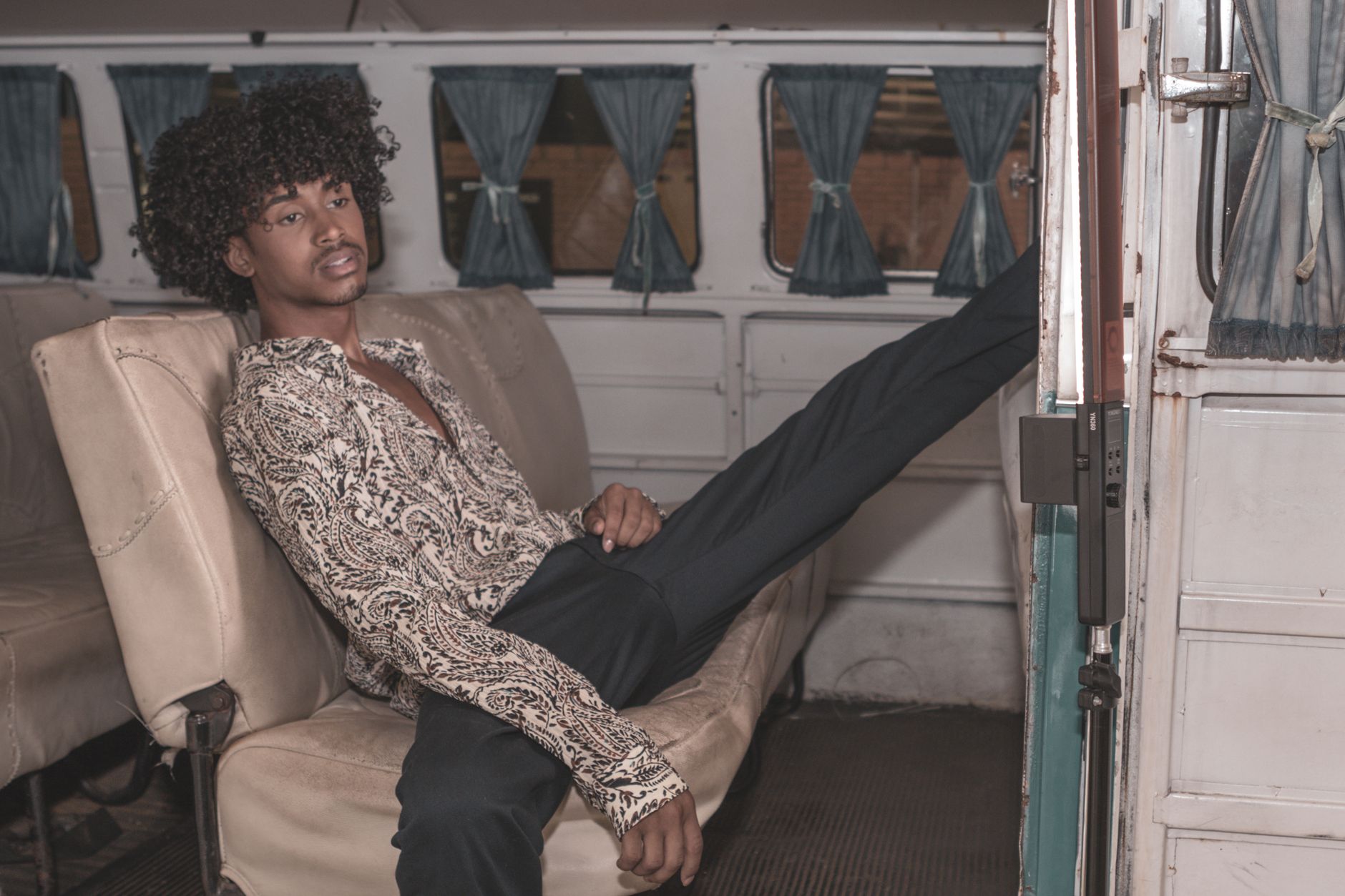
    The biggest misconception about casual 70s mens fashion is thinking it’s all about bell-bottoms and paisley shirts. That’s more of a Halloween vibe than a real wardrobe. The decade actually had two distinct casual aesthetics, and knowing that split helps you avoid looking like you raided a costume closet.

    A friend of mine, Marcus, dove into building a 70s-inspired wardrobe last year without a clear game plan. He bought a burnt orange corduroy jacket, a polyester print shirt, and wide-leg trousers all at once. It was a bit of a mess, honestly, because he mixed both styles without recognizing they existed. Once he started treating them as separate wardrobes to pull from, everything clicked. His journey is pretty much how to get it right.

    Two Casual Looks

    The first vibe ran from about 1971 to 1975, and it leaned earthy, loose, and almost agrarian. Think about Wrangler denim, corduroy in shades like forest green or avocado, flannel shirts worn open, and work boots. The silhouette was wide but relaxed—more casual than dramatic. This style had a color palette focused almost entirely on earth tones: burnt orange, mustard, brown, and that odd green often dubbed “avocado” by designers.

    Then you have the second style, which picked up around 1975 and peaked by 1978. It was sharper and more synthetic, straddling the disco vibe without going full sequins. Picture polyester-blend shirts with bold abstract prints, high-waisted trousers, and platform-soled shoes. Those fabrics caught light differently. Once Marcus realized this divide, he understood that his corduroy jacket belonged to the first stream, while his print shirt was more of a second-stream piece. Together? They clashed. Apart? They both looked fantastic.

    Key Pieces and Costs

    Wide-leg trousers are the core piece for both styles. The proportions really matter. Authentic 70s casual trousers typically had a hem circumference between 26 and 30 inches. Go below that, and you’re in straight-leg territory; above that, you get theatrical flares. Most modern reproductions from brands like Levi’s hover around 27 to 28 inches, giving you a period-accurate look without making them unwearable on public transport.

    Corduroy made a strong comeback between 2022 and 2024. From what I’ve seen in vintage shops and mainstream retailers, corduroy trousers and jackets sold faster than many other 70s items. Wide-wale cord in brown or rust is the most authentic. Brands like Levi’s and Wrangler took note, with Wrangler’s heritage line offering corduroy pieces for $60 to $90 new.

    When it comes to shirts, you can score vintage polyester-blend pieces from the mid-70s at great prices. In most markets I’ve checked, they usually sit between $15 and $40, depending on the condition and the print quality. Look for abstract geometric prints and big floral patterns. Marcus snagged a near-perfect burnt orange abstract-print shirt for $22 at a Sunday market. He spent more on parking!

    • Wide-leg trousers: 26–30 inch hem circumference, new from $60–$120
    • Corduroy jacket or trousers: Vintage $20–$60, new heritage lines $60–$90
    • Polyester-blend shirt: Vintage markets $15–$40
    • Platform-soled shoes: 1–2 inch lift, new from $80

    Footwear really makes the difference; it’s where some people commit and others hesitate. A typical 70s casual shoe had a modest platform, usually a built-in lift of 1 to 2 inches rather than an actual platform shoe. Chelsea boots with stacked heels or crepe-soled loafers fit right in without feeling theatrical. Going above 2 inches usually tips back into costume territory.

    Modernizing the Look

    The rule Marcus and I landed on is pretty simple: choose one style per outfit, then add a modern touch. If you’re going for that earthy vibe, wear the corduroy trousers with a flannel but swap in a clean white tee instead of a vintage turtleneck. For the second stream, if you’re rocking the print shirt and wide-leg trousers, keep the shoes a bit understated. No need to stack every element.

    Casual 70s mens fashion really works in 2024 because the silhouette connects nicely with what’s current in menswear. Wide trousers are totally acceptable right now. Earth tones have been trending for a couple of seasons. You’re not fighting fashion; you’re just drawing from a more specific reference point than most guys ever bother to nail down.

    Knowing the 1971 to 1978 era is crucial because the early and late looks differ significantly in weight and feel. Leaning towards the earlier styles tends to mesh better with modern wardrobes. The later, more synthetic styles require some confidence to pull off without looking themed. Both angles are valid, but be true to yourself about which vibe feels right. Marcus started earthy first and is only recently mixing in stream-two pieces, which seems a solid approach.

    FAQs

    What did men wear casually in the 70s?

    Wide-leg trousers and corduroy were common, along with denim from brands like Levi’s or Wrangler, earthy shirts, and modest platform shoes, reflecting an early earthy style and a later sharper aesthetic.

    Are wide-leg trousers still in style for men?

    Absolutely, they’ve been back in fashion since around 2022. A 26 to 28 inch hem circumference feels modern rather than retro these days.

    Where can I buy affordable 70s mens clothing?

    Vintage markets and thrift stores are great options, with polyester shirts generally priced between $15 and $40. Levi’s and Wrangler offer denim and corduroy in reasonable new lines.

  • 2003 Fashion Trends That Defined a Unique Style Era

    2003 Fashion Trends That Defined a Unique Style Era

    2003 fashion was a genuinely weird moment. Maximalism left over from Y2K was still everywhere, but you could already feel the cleaner mid-2000s look starting to creep in. The result was loud, colorful, and completely unashamed of itself. I remember flipping through magazines from that year and thinking everything looked like it was competing for attention, which, honestly, it was.
    What made 2003 fashion stick in the memory is how thoroughly celebrity culture ran the show. Pop stars and reality TV personalities weren’t just wearing clothes; they were essentially writing the trend reports. The nostalgia hits hard now because recent collections from real labels have gone back to that well deliberately, not just by accident.

    What Defined 2003 Style

    Von Dutch trucker hats were everywhere, retailing around $30 and plastered with that flying eyeball logo. Juicy Couture velour tracksuits sat at the other end of the price scale, somewhere between $150 and $300, and somehow made loungewear feel aspirational. Low-rise jeans sat 7 to 9 inches below the natural waist, which was a genuinely difficult fit to pull off, and plenty of people didn’t quite manage it. Denim was so dominant that pairing a denim jacket with a denim skirt became its own thing, the so-called Canadian tuxedo worn without irony.
    “The OC” premiered in August 2003 and quietly became a styling guide for a generation. Ryan’s casual basics and Marissa’s expensive-looking separates covered both ends of the budget, which made the show’s wardrobe feel both reachable and worth copying. A lot of 2003 fashion trends I can trace directly back to those early episodes.

    The Celebrities Who Set the Trends

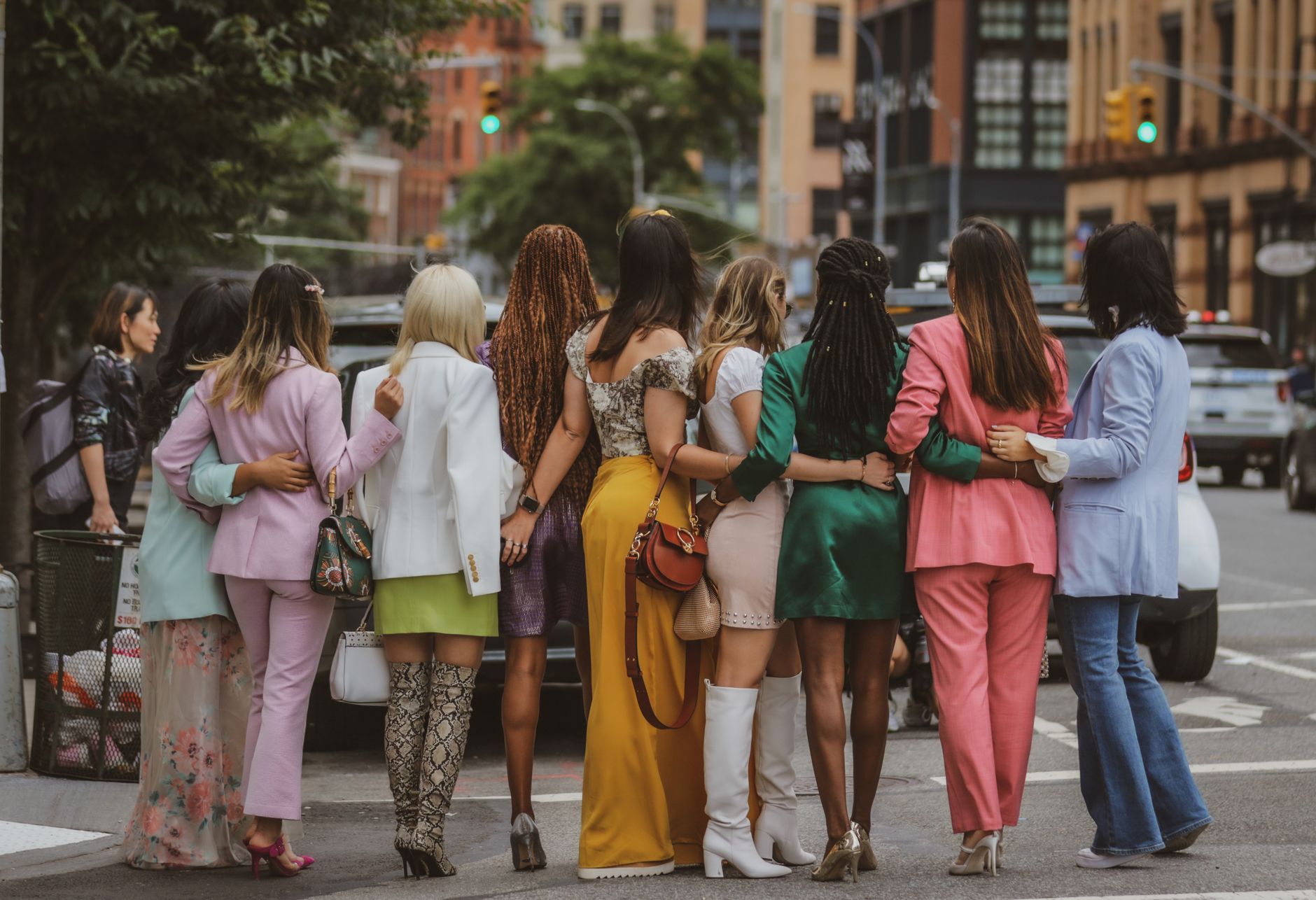
    Beyoncé and Paris Hilton defined the year, and they did it in almost opposite directions. Beyoncé was layering bold colors and textures, mixing high-end pieces with edgy accessories in a way that felt powerful rather than costumey. Her music videos from that period read like fashion editorials.
    Paris Hilton, meanwhile, was the full expression of Y2K maximalism: pink everything, chunky jewelry, logo-heavy bags. She made excess look intentional. Together, the two of them created a kind of permission structure, because if your taste ran toward either end of that spectrum, someone famous was already doing it. Accessories mattered enormously in 2003 fashion, from oversized sunglasses to bedazzled clutches, and neither icon ever left the house without something worth photographing.

    How 2003 Fashion Came Back

    Between 2022 and 2024, major retailers including ASOS and Urban Outfitters leaned hard into the Y2K revival, pulling the exact pieces that defined 2003 fashion back onto their homepages. Low-rise jeans and velour tracksuits returned with small updates, slightly adjusted proportions, a toned-down palette here and there, but the silhouettes are recognizable. Vintage resale markets filled the gap for people who wanted the originals, and from what I’ve seen, authenticated Juicy Couture sets in good condition sell quickly.
    I’ll admit I’m not entirely sure the revival will hold past another season or two. Fashion cycles are real, but they’re also unpredictable. What does feel different this time is the level of genuine affection for the era rather than pure irony. People aren’t buying Von Dutch hats to be funny. They actually want to wear them, which says something about how 2003 fashion has aged.

    Where This Leaves Us

    If you’re looking to pull references from 2003 fashion, the trucker hat and low-rise denim combination is the quickest shortcut, but the real spirit of the year was about committing to a look. Half-measures didn’t read well then, and they don’t now either. The era rewarded confidence more than coordination. And if budget is a concern, the velour tracksuit is genuinely one of the more affordable ways back in, especially through resale, where $40 to $80 can still land you something decent.
    The 2003 aesthetic rewards people willing to go a little further than they normally would. So go further.

    FAQs

    What were the most popular clothing brands in 2003?

    Juicy Couture, Von Dutch, Abercrombie & Fitch, and Hollister dominated, shaping what teens and young adults wore and aspired to own.

    What did girls wear in 2003?

    Low-rise jeans, cropped tops, velour tracksuits, and oversized accessories were standard, usually anchored by a bold graphic tee or denim layer.

    Is 2003 fashion the same as Y2K fashion?

    Not quite. 2003 fashion grew out of Y2K maximalism but started mixing in cleaner lines, making it a distinct transitional moment rather than a direct overlap.

  • Fashion Internships NYC Shift Dramatically After 2023 Changes

    Fashion Internships NYC Shift Dramatically After 2023 Changes

    How NYC Fashion Internships Actually Work

    The typical fashion internship in NYC runs about 10 to 15 weeks, timed around summer. Big names like Tory Burch and Ralph Lauren start recruiting in February and March, so if you’re waiting until April you’ve already missed the window. I’ve seen people lose solid opportunities just by being two weeks late.

    The Council of Fashion Designers of America (CFDA) keeps an internship database worth bookmarking. It covers everything from major houses to smaller emerging designers you might not find anywhere else. Parsons and FIT also run structured programs that give you real access, not just coffee runs, and those partnerships tend to open doors faster than cold applications.

    Pay matters here. As of January 2024, NYC’s minimum wage sits at $16 per hour, and most larger brands have adjusted. Smaller labels sometimes sidestep that with a monthly stipend, usually somewhere between $500 and $1,500. Honestly, I’m not sure every boutique label is fully compliant yet, so it’s worth asking directly before you accept anything.

    Where and When to Apply for Fashion Internships NYC

    LinkedIn and company career portals are where most fashion internships nyc postings go first. Set up alerts, check them daily, and don’t wait for your school’s job board to catch up. Connections matter too. A quick conversation at a FIT or Parsons networking event can surface unlisted roles that never get posted publicly at all.

    Customize every application. A generic cover letter gets deleted fast in a competitive field like this. Pull something specific from each brand’s recent collections or campaigns and reference it directly. And yes, a GPA around 3.0 or better does get flagged by some hiring managers, so keeping your grades reasonable isn’t just about graduation.

    Turning an Internship Into a Job

    Getting the internship is the easier part (relatively speaking). Staying visible during it is what actually moves the needle. Ask for feedback without being annoying about it, show up with ideas occasionally, and build actual relationships with your colleagues rather than just your direct supervisor. Companies that are now paying interns tend to watch their return on investment pretty closely.

    After you wrap up, send a short thank-you note and connect on LinkedIn within a few days. Because that window closes quickly, and people forget faster than you’d think. Express interest in any openings directly. Being specific about a role you’d want signals you’re thinking about a future there, not just filling a line on your résumé.

    And stay in touch even when there’s nothing to ask for. A short message when you see a brand launch something interesting goes a long way. Most full-time hires I’ve seen come from people who stayed on the radar.

    FAQs

    Are fashion internships in NYC paid?

    Most fashion internships nyc are now paid at least $16 per hour, following NYC’s 2024 minimum wage rules, though some smaller labels still offer monthly stipends instead.

    What GPA do you need for a fashion internship in NYC?

    A 3.0 GPA is a common informal threshold, though it varies by company. Strong portfolio work or relevant experience can offset a lower GPA.

    When do NYC fashion internships start?

    Summer is the main cycle, but recruitment for fashion internships nyc typically kicks off in February or March, so apply early.