The short answer on chalk paint vs milk paint: choose chalk paint if you want easy, forgiving coverage with minimal prep, and choose milk paint if you want an authentic, matte, slightly uneven antique look or a finish that can soak into bare wood. Both are matte, both suit furniture, and both need a protective topcoat to last.
What Is Chalk Paint?
Chalk paint is a thick, water-based decorative paint that dries to a velvety matte surface. It is made to stick to many surfaces with little sanding or priming, which is why it is popular with beginners. It comes ready to use in a can, brushes on easily and dries quickly. Formulas vary a lot by maker, so read the label for prep and cure guidance.
What Is Milk Paint?
Traditional milk paint is based on milk protein (casein), lime, clay and pigments. It is often sold as a powder you mix with water, which gives you control over thickness and a limited shelf life once mixed. Ready-mixed versions also exist. On raw wood it soaks in and bonds beautifully. On slick, sealed surfaces it may crackle or chip unless you add a bonding agent, and some people choose that effect on purpose.
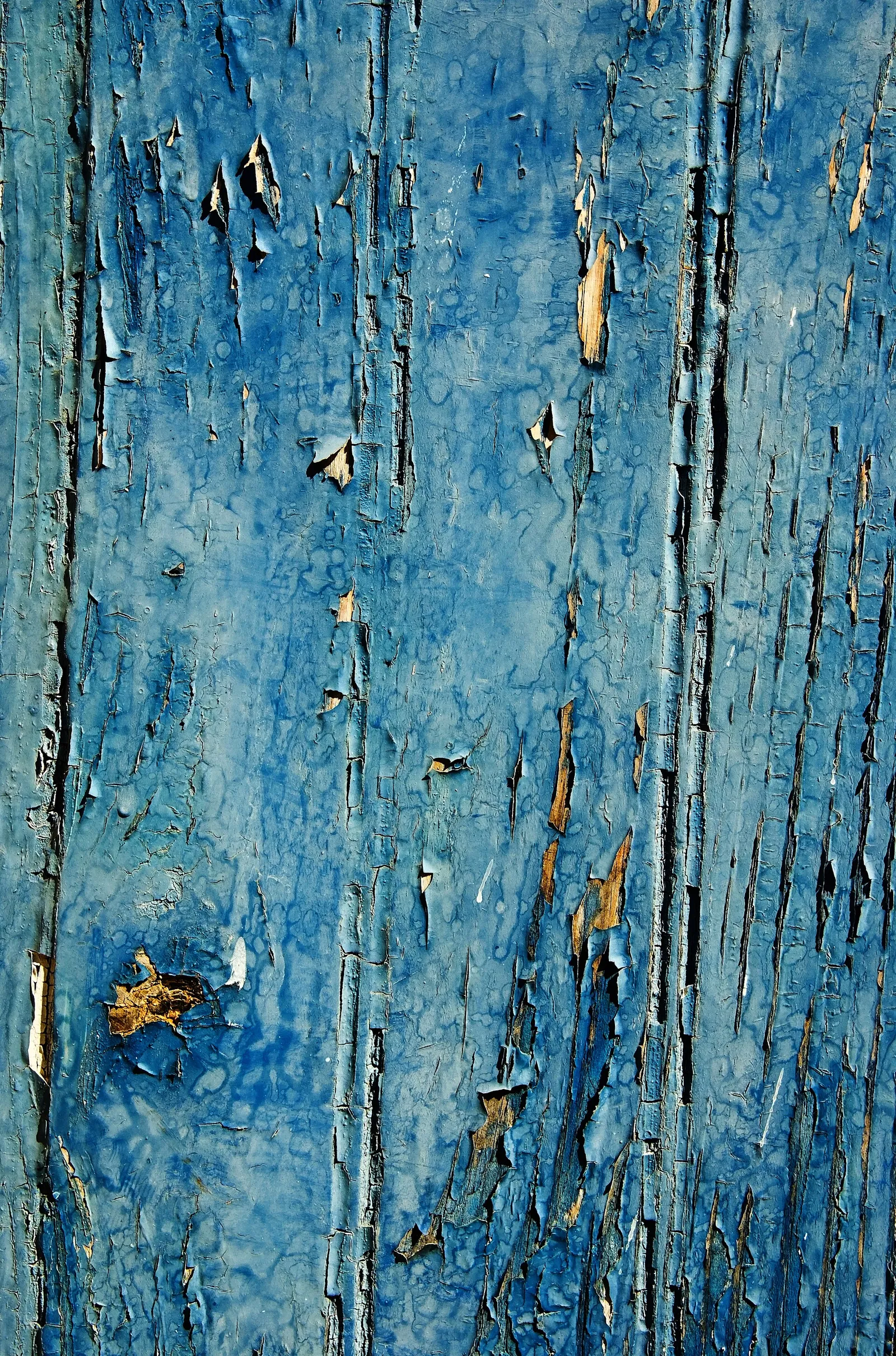
Chalk Paint vs Milk Paint Side by Side
| Feature | Chalk paint | Milk paint |
|---|---|---|
| Form | Ready-mixed | Powder or ready-mixed |
| Prep | Often just clean and dull | Clean; bonding agent for slick surfaces |
| Look | Smooth, even matte | Slightly variable, antique matte |
| Chipping | Controlled by distressing | Can chip naturally on sealed surfaces |
| Best on | Previously finished furniture | Raw or stripped wood |
| Cleanup | Soap and water | Soap and water |
Which One Is Easier for Beginners?
Most first-timers find chalk paint easier. It goes on in a consistent coat, covers old finishes well and needs little prep. Milk paint rewards a bit of experience, because mixing ratios and surface type change how it behaves. That said, if you are painting unfinished pine or a stripped table, milk paint is simple and very forgiving on that raw surface.
Durability and Sealing
Neither paint is a tough finish on its own. Both are porous and can stain or scuff, so a topcoat matters. Clear wax gives a soft, hand-rubbed feel and is easy to refresh. Water-based polyurethane or a furniture-grade topcoat resists moisture and wear better, which suits tabletops. Our guide on how to seal painted furniture walks through both options, and the distressed furniture finish article shows how to sand edges for a worn look with either paint.
How to Apply Either Paint
- Clean the piece with a degreaser and rinse. Let it dry.
- Repair damage with wood filler and sand lightly. For milk paint on glossy surfaces, add the manufacturer-recommended bonding agent.
- Stir well. If using powder, mix to the label ratio and let it sit as directed, then strain if needed.
- Brush on a thin first coat, following the grain.
- Let dry, then lightly sand with a fine sponge for smoothness.
- Add a second coat, then sand or distress if you want a worn look.
- Apply your chosen topcoat and allow it to cure before heavy use.
Cost, Color and Cleanup
Price varies by brand, so compare coverage on each label rather than the sticker alone. Powdered milk paint can stretch a long way because you mix only what you need, though leftovers do not keep long once mixed. Chalk paint is ready to go and stores well, which suits small projects done over several weekends. Both clean up with soap and water while wet, which makes brushes easy to look after.
Color range is wide for both. Milk paint tends to give soft, slightly variable tones, while chalk paint gives a flatter, more consistent color. Always test on the back of a drawer or under a tabletop first, because the wood underneath and your topcoat will change the final shade.
Quick Recap
When you weigh chalk paint vs milk paint, think about the surface, the look you want and how much prep you will accept. The chalk paint vs milk paint decision is smaller than it seems, because a careful topcoat and good prep matter more than the label on the can. If you are still stuck on chalk paint vs milk paint, buy a small sample of each and test on scrap wood.
Safety Note
These paints are generally lower in odor than many solvent paints, but still ventilate the room and wear a dust mask when sanding. Topcoats, especially oil-based ones, can be strong smelling, so keep air moving.
If your piece was made or painted before 1978, the old finish may contain lead. Test it with a lead test kit first, and if it is positive, follow EPA-recommended lead-safe work practices or hire a certified pro.
Frequently Asked Questions
Is chalk paint the same as milk paint?
No. Chalk paint is a ready-mixed decorative paint with a velvety finish, while traditional milk paint is made from milk protein, lime and pigment and often mixed from powder. They look similar but behave differently.
Do I need to sand before using chalk paint?
Often only lightly, but check the label. Cleaning and scuffing is a wise step on glossy or very smooth pieces, and it takes only a few minutes.
Why does milk paint chip?
Milk paint grips raw, porous wood strongly but can lift from slick or sealed surfaces. A bonding agent reduces chipping if you want a solid finish, and skipping it gives a deliberately crackled look.
Which paint is cheaper?
It depends on brand and size. Powdered milk paint can go a long way since you mix only what you need, while chalk paint is convenient. Compare cost per coverage on the label.
Do I have to seal these paints?
Yes, in most cases. A wax or water-based polyurethane topcoat protects the matte finish from stains, moisture and daily wear.