Do you need primer? Often yes, but not always. You should prime bare surfaces, stains, glossy finishes, big color changes and repaired patches, and you can usually skip it when repainting a clean wall in good shape with a similar color. Primer costs extra time and money, so the trick is knowing which projects it actually helps.
What Primer Does That Paint Cannot
Primer is formulated to stick well to the surface and to give the topcoat something uniform to grip. It seals porous materials so paint does not soak in unevenly, blocks many stains, and helps paint adhere to slick surfaces. Paint is formulated for color, durability and washability, so it does not always perform these jobs on its own, even in paint-and-primer products.
Do You Need Primer? When to Prime
| Situation | Prime? | Why |
|---|---|---|
| New drywall or bare wood | Yes | Porous surfaces drink paint and show uneven sheen |
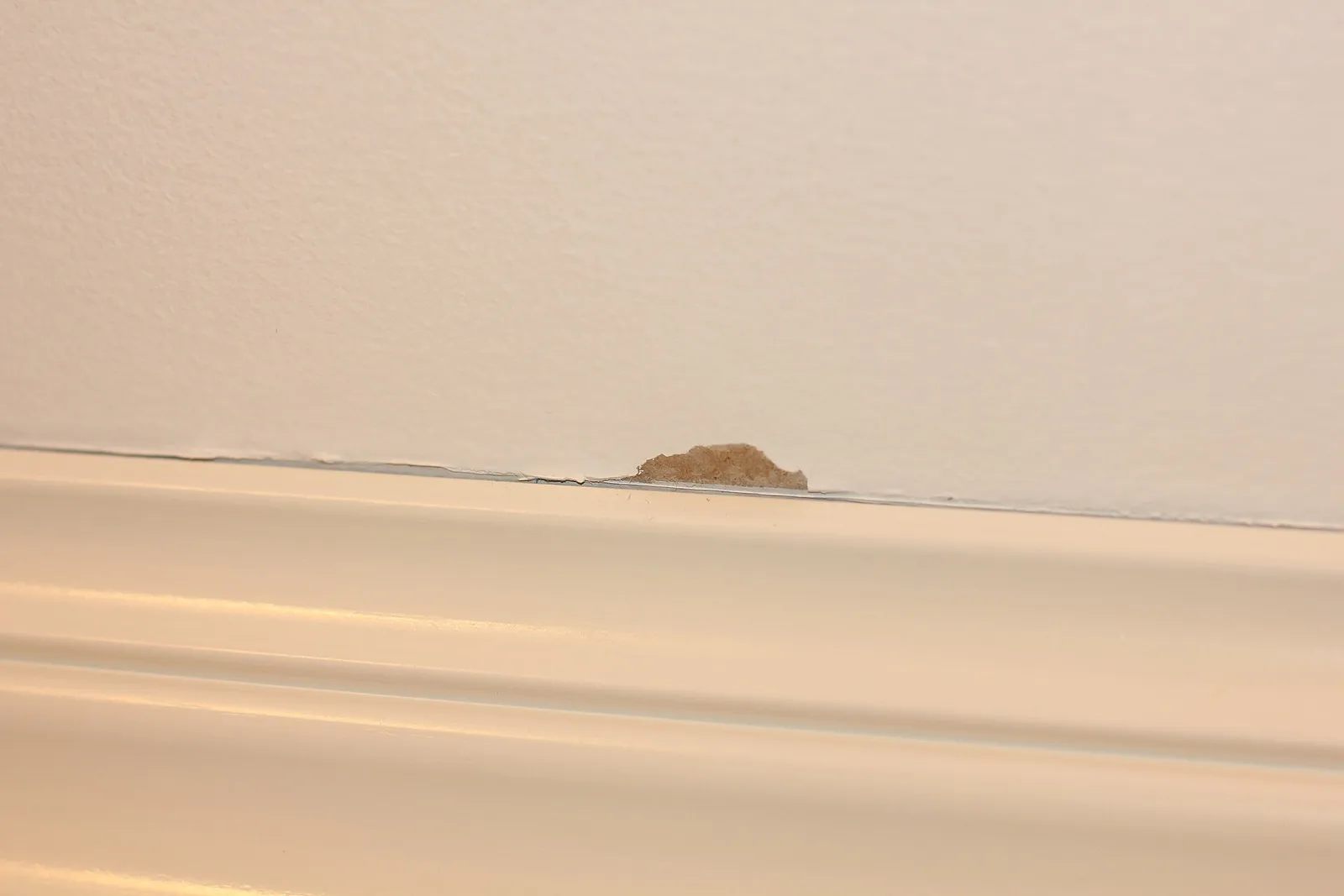
| Patched or repaired areas | Yes, spot prime | Patching compound can flash through the topcoat |
| Water, smoke, crayon or tannin stains | Yes, with a stain-blocking primer | Stains can bleed through regular paint |
| Glossy or slick surfaces | Yes, with a bonding primer | Paint struggles to grip a smooth finish |
| Dark to light color change | Often | A tinted primer reduces the number of coats |
| Bare metal or masonry | Yes, with a suitable primer | Metal needs rust protection, and masonry needs sealing |
| Clean, sound wall, similar color | Usually no | The existing paint already provides a good base |
When You Can Skip Primer
So, do you need primer on every job? No. If the wall is clean, sound and painted with a flat or eggshell finish, and you are going to a similar color, one good topcoat or two will do. Skipping primer is also reasonable for small touch-ups on matching paint. Still, a quick test never hurts: paint a small patch and check it once it dries.
What about paint and primer in one?
These thicker paints can help with coverage, especially over a mild color change. They are not a substitute for true primer on stains, bare wood, glossy surfaces or serious repairs. Read the label for the specific uses the manufacturer lists.
Choosing the Right Primer
If the answer to do you need primer is yes, the type matters.
- Water-based (latex) primer: an all-around choice for walls and ceilings, with easy cleanup.
- Oil-based or alkyd primer: good for stain blocking and some woodwork, but with stronger fumes and solvent cleanup.
- Shellac-based primer: very effective at sealing heavy stains and odors, and dries fast.
- Bonding primer: made for slick surfaces such as laminate, tile or glossy trim. For furniture projects, see how it fits into painting wood furniture.
How to Apply Primer
Once you know do you need primer for your wall, the process is straightforward.
- Prepare the surface. Clean, fill holes and sand rough spots. Our guide to prepping walls before painting covers each step.
- Choose the product. Match the primer to the surface and the stain or problem.
- Apply an even coat. Brush edges, then roll the field. Do not over-thin or over-spread it.
- Let it dry. Check the can for dry and recoat times, which vary by product and conditions.
- Sand lightly if needed. A quick pass with fine sandpaper smooths grit. Wipe away dust.
- Paint the topcoat. Many primers can be tinted toward the final color, which helps with coverage.
Most labels give coverage near 350 to 400 square feet per gallon, but porous surfaces soak up more primer. If you are fixing flaking areas first, see how to fix peeling paint on walls before you prime. For a general overview of the product, see the Primer (paint) page on Wikipedia.
Safety Note
Ventilate the room well, because primers, especially oil-based and shellac types, can have strong fumes. Use gloves, and wear a respirator if the label directs. If your home was built before 1978, the old paint may contain lead. Test it before sanding, and use EPA-recommended lead-safe practices, since sanding creates fine dust.
Frequently Asked Questions
Do you need primer when painting over old paint?
Not always. If the old paint is clean, intact and similar in color, you can often skip it. Prime if it is glossy, stained, chalky or damaged.
Can I use paint instead of primer?
For simple repaints, yes. For bare surfaces, stains or slick finishes, true primer gives better adhesion and coverage.
Do I need primer to go from dark to light?
It usually helps. A tinted primer can cut the number of topcoats you need to hide a dark color.
How long should primer dry?
Check the can. Drying and recoat times depend on the product, temperature and humidity.
Do I need to sand primer before painting?
Only if the surface feels rough or gritty. A light sanding between coats leaves a smoother finish.