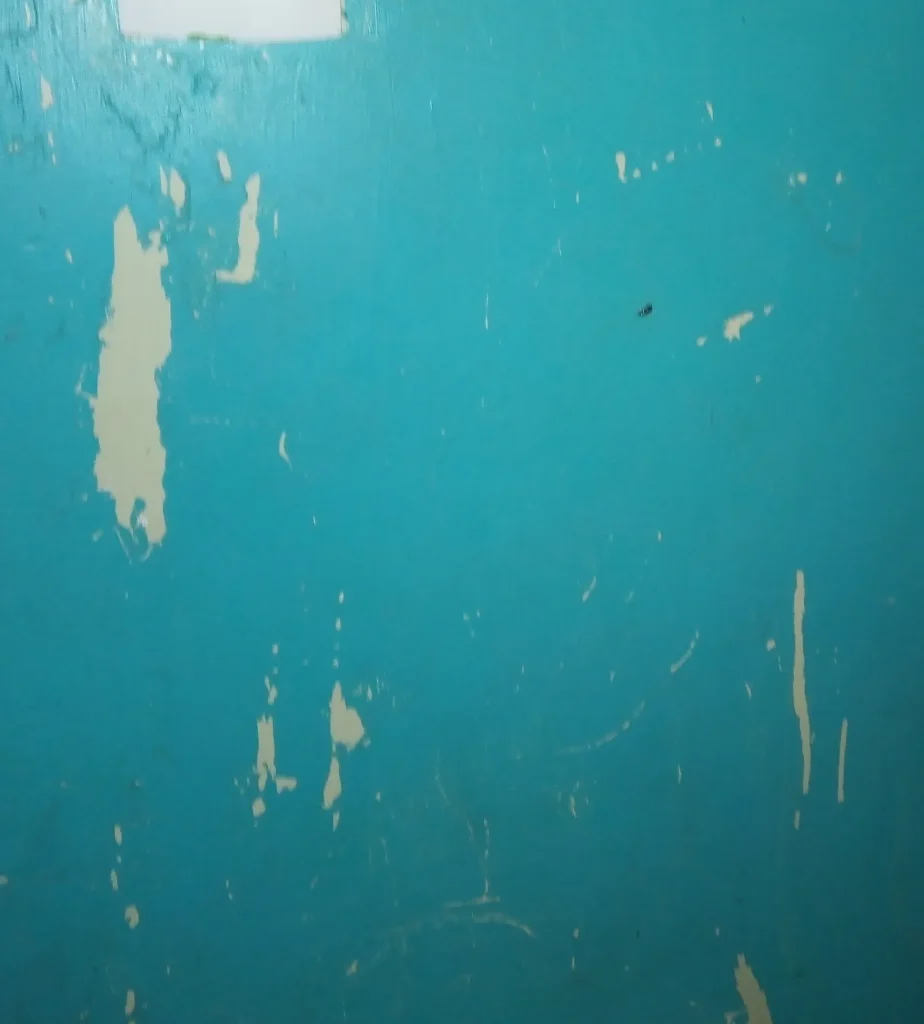
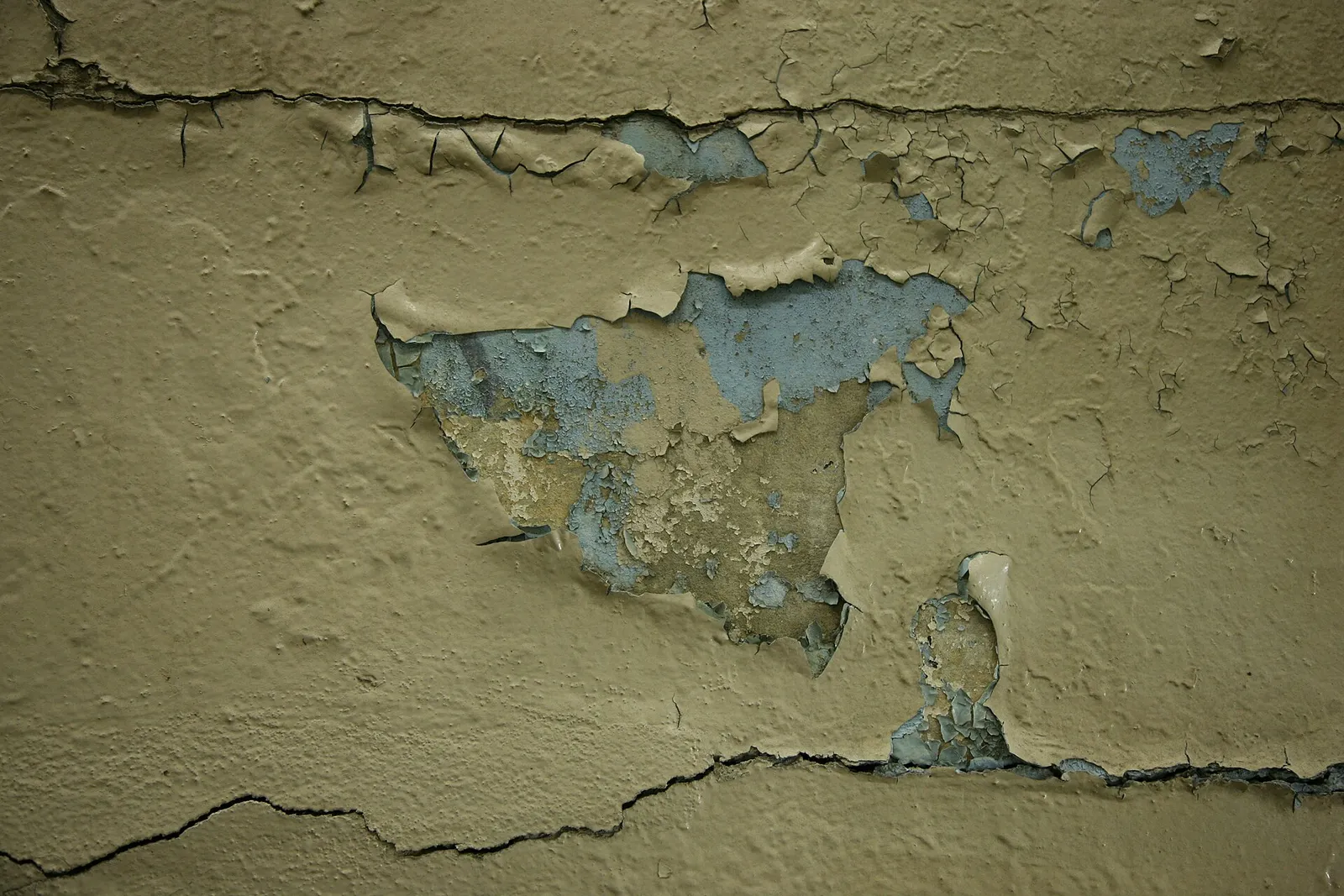
To fix peeling paint, find and cure the cause first (usually moisture, dirt or poor prep), scrape off all loose paint, sand the edges smooth, prime bare spots, and repaint. Skipping the cause means the new paint will peel too. This guide shows how to diagnose the problem and make a repair that lasts.
Why Paint Peels in the First Place
Paint peels when it loses its grip on the surface beneath. The most common causes are:
- Moisture. Leaks, condensation and steamy bathrooms push water behind the film. Look for stains, a musty smell or damp spots.
- Dirty or glossy surfaces. Paint cannot bond to grease, dust or a high-gloss finish that was not scuffed.
- No primer. Bare drywall, plaster or stained wood often need primer before topcoat.
- Incompatible layers. Latex over an old oil-based coat without prep can lift.
- Painting too soon or in poor conditions. Very hot, cold or humid weather affects adhesion and drying.
Tools You Will Need
A stiff putty knife or scraper, 120 to 220 grit sandpaper or a sanding sponge, spackle, primer, a quality brush and a small roller cover the vast majority of repairs. Add a drop cloth, a damp rag for dust and a light that you can hold at a low angle to see the surface texture. Keep it simple, since the real work is patience when you fix peeling paint, not fancy equipment.
How to Fix Peeling Paint Step by Step
Before you touch the wall, read the safety note below. Homes built before 1978 may have lead paint.
- Solve the moisture source. Repair leaks, run an exhaust fan, or improve airflow. Let damp walls dry fully.
- Scrape loose paint. Use a putty knife or paint scraper and remove everything that lifts, working outward until the paint resists.
- Feather the edges. Sand around the bare patch so the old paint blends gradually into the wall. Wipe off dust.
- Clean the area. Wash with mild soapy water, rinse and dry.
- Fill and smooth. Use spackle or joint compound on gouges, then sand flush.
- Prime the bare spots. Use a primer suited to the surface, and a stain-blocking primer over water marks.
- Repaint. Apply two thin coats of quality paint, following the can’s recoat times, and extend the new paint to a natural break, such as a corner.
Fixing Peeling in Common Trouble Spots
Bathrooms and Kitchens
These rooms see steam and splashes. After repairing, choose a moisture-resistant paint in satin or semi-gloss, and run the exhaust fan during and after showers. Our paint sheen guide explains which finish suits each room.
Ceilings
Ceiling peeling often points to a roof or plumbing leak above. Fix the leak, scrape, prime with a stain blocker and repaint using the steps in our guide on how to paint a ceiling.
Exterior and Trim
Sun, rain and old layers cause flaking outside. The method is similar, but wood may need sanding and an exterior primer. If you want to know how to repaint woodwork neatly afterward, see how to paint trim and baseboards.
Prevent Paint From Peeling Again
Good prep is the best insurance. Clean walls, scuff glossy areas, prime bare spots, and give each coat its full drying time. Do not paint in damp weather or a freshly steamy room. If you are not sure about the existing surface, press painter’s tape onto a clean spot and yank it off; if paint comes with it, the layer below is weak and needs more scraping. Learning how to fix peeling paint properly once is cheaper than repeating the job every year. For more about older coatings, the Wikipedia entry on lead paint is a helpful read.
Wondering whether to fix peeling paint yourself or hire help? Small patches are manageable DIY, but if peeling covers large areas, shows mold, or follows a leak you cannot find, call a professional to check the source.
Safety Note
Ventilate the room and wear a dust mask and eye protection while scraping. If your home was built before 1978, the peeling paint may contain lead. Use a lead test kit before scraping or sanding, and follow EPA-recommended lead-safe work practices if the test is positive, or hire a certified professional. Never dry-scrape or dry-sand suspect paint, and keep children and pets away from paint chips and dust.
Frequently Asked Questions
Can I just paint over peeling paint?
No. New paint will not hold on a loose layer. Scrape and sand the area first so you are painting on a firm, clean surface.
Why is paint peeling off my bathroom wall?
Usually moisture. Steam and poor ventilation weaken adhesion. Improve airflow, let the wall dry, then repair and repaint with a moisture-resistant paint.
Do I need primer after scraping?
Yes, prime bare patches so the topcoat sticks evenly and does not look dull. Use stain-blocking primer if there are water marks.
How do I fix peeling paint on drywall?
Scrape loose paint, sand the edges smooth, patch any torn paper or gouges, prime, and repaint. Drywall paper that has been exposed will need sealing with primer.
Could peeling paint mean there is a leak?
It can. If paint bubbles or peels repeatedly in one spot, check above and behind it for plumbing or roof leaks before repainting.