You can paint laminate furniture successfully, but only if you treat the slick surface properly: clean it, scuff it, use a bonding primer, and finish with a durable paint. Skip the primer and the paint will scratch off with a fingernail.
Why Laminate Is Tricky
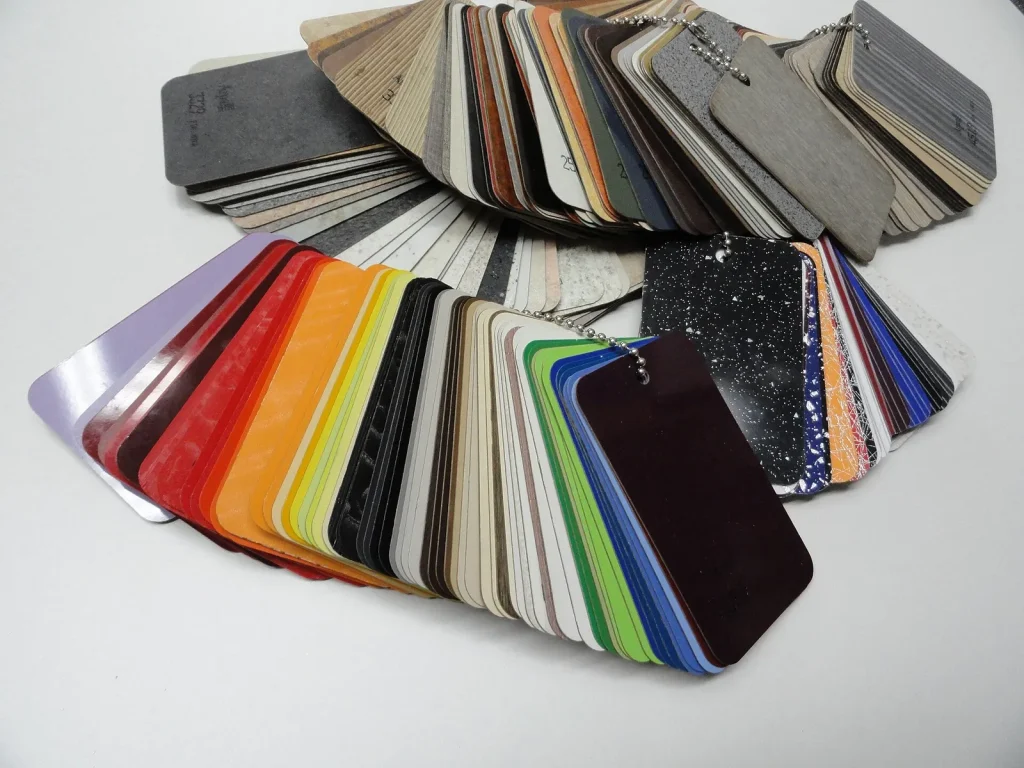
Laminate is a thin plastic-like layer bonded to particleboard or MDF, found on a lot of flat-pack bookcases, desks and dressers. The surface is smooth and non-porous, so ordinary paint has nothing to grab. The core underneath is also vulnerable to water, so avoid soaking it. For background on the material, see decorative laminate.
Materials You Will Need
| Material | Purpose |
|---|---|
| Degreaser | Removes oils and polish residue |
| 220 grit sanding sponge | Lightly roughs up the gloss |
| Wood filler or putty | Fixes chips and dents |
| Bonding primer made for slick surfaces | Gives the paint something to hold |
| Durable furniture or cabinet paint | Stands up to daily use |
| Foam roller and angled brush | Smooth coats with few marks |
| Water-based clear topcoat (optional) | Extra protection on high-touch areas |
How to Paint Laminate Furniture Step by Step
- Remove drawers, doors and hardware. Lay the piece flat if it is practical.
- Clean thoroughly with a degreaser, then wipe with a clean damp cloth and dry.
- Fill chips on edges with filler, let it set, and sand it flush.
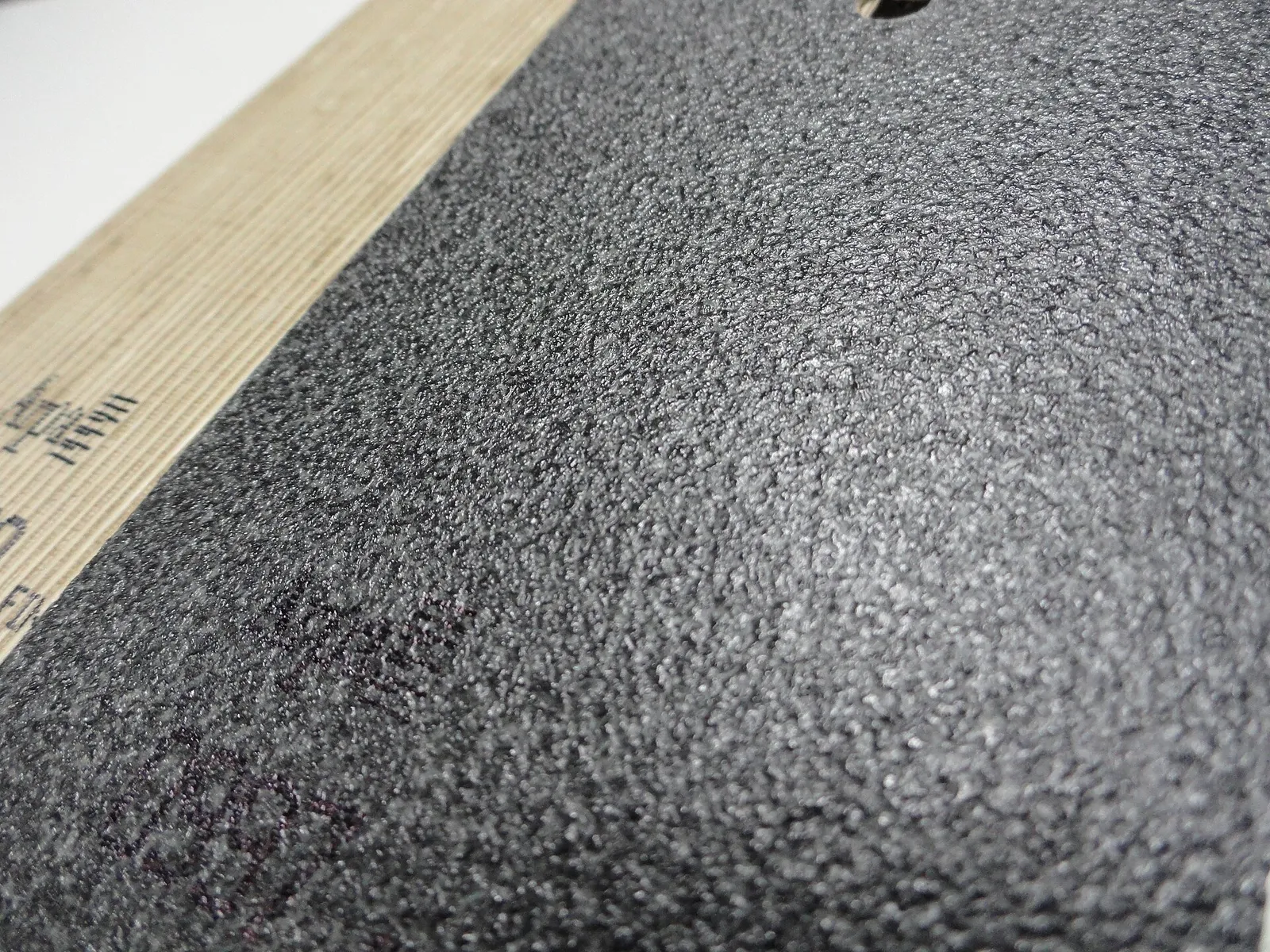
- Scuff the entire surface with 220 grit until the shine is dull. You are not trying to remove the laminate, only to rough it up.
- Wipe off dust with a tack cloth.
- Apply a thin coat of bonding primer. Let it dry for the time on the can. A second coat helps on dark or patterned laminate.
- Paint with two thin coats, allowing recoat time between them.
- Wait for the paint to cure before reloading shelves or reattaching hardware.
Edges, Corners and Peeling Spots
Edges take the most abuse, and peeling usually starts there. Make sure edge banding is firmly glued down before painting; a drop of wood glue and a clamp can fix lifted spots. Paint edges in thin coats and avoid heavy buildup in corners. If any old laminate is peeling in sheets, remove the loose part and fill the step with filler so it does not telegraph through the new finish.
Picking the Right Finish
For desks and dressers that see constant contact, a satin or semi-gloss enamel wipes clean more easily than flat paint. If you like a velvety matte look, you can use chalk-type paint, but you must seal it. Our comparison of chalk paint vs milk paint explains the differences, and the guide to sealing painted furniture shows how to add a clear topcoat.
Getting a Smooth, Even Look
Laminate shows every flaw once painted, so patience pays off. A small foam roller leaves a finer texture than a brush on big flat panels, and an angled brush handles edges and corners. Keep your coats thin; a thick coat looks wet longer and may sag or wrinkle on a slick surface. If you notice dust nibs between coats, sand them very lightly with fine paper and wipe clean before the next coat.
Work in moderate temperatures and avoid very humid days, since slow drying invites dust and drips. Finally, give the piece time. Painted laminate that has fully cured stands up far better than a piece that went back into service after a day.
Caring for the Finished Piece
Once cured, wipe the surface with a soft damp cloth and mild soap. Avoid harsh abrasive cleaners, which can dull or scratch the paint. Use coasters and felt pads under objects, and keep standing water off edges where the particleboard core could swell. A small jar of leftover paint, labeled and sealed, makes later touch-ups quick and keeps the color consistent.
If you want a quick overview of how a basic room or furniture project flows, our guide to how to paint a room walks through the same sequence of prep, prime and paint for walls.
Quick Recap
If you decide to paint laminate furniture, remember the sequence: degrease, scuff, bond, paint and cure. Doing this right lets you paint laminate furniture once and enjoy it for years rather than redoing chipped edges.
Safety Note
Sanding laminate and the particleboard core creates fine dust, so wear a dust mask and goggles. Work with windows open, since primers and paints produce fumes. Laminate pieces are mostly modern, but if a very old piece has painted trim, check for lead on homes or furniture built before 1978 and use EPA-recommended lead-safe practices.
Frequently Asked Questions
Can you paint laminate furniture without sanding?
Some bonding primers claim to need minimal sanding, but a quick scuff still helps adhesion. It takes only a few minutes and improves durability.
What primer works on laminate?
Choose a bonding primer labeled for glossy or hard-to-paint surfaces such as laminate, tile or melamine. Check the label for compatibility with your topcoat.
Will painted laminate chip?
It can, especially at edges and on high-wear tops. Proper prep, thin coats and a clear protective topcoat greatly reduce chipping.
Can I use spray paint on laminate?
Yes, after proper prep and priming. Use light, even passes in a ventilated area and let each coat dry as directed.
How long before I can use the furniture?
Dry-to-touch comes first, but full cure takes longer. Check the can, and go easy on the surface for the first week or two.