The simplest way to spray paint metal hardware is to remove it, clean off grease, scuff the surface, prime with a metal-friendly primer, and then apply several light coats of spray paint. It is one of the cheapest ways to modernize a kitchen, dresser or door, and most of the time is spent waiting for coats to dry.
Is This Worth Doing?
Yes, for decorative pieces such as cabinet knobs, drawer pulls, hinges and light fixtures. It works best on solid metal. Painted hardware will wear faster than factory finishes on handles that get constant use, so choose a tough enamel and expect occasional touch-ups. If you are already updating a kitchen, pair this with our guide on how to paint kitchen cabinets.
What You Need
| Item | Why |
|---|---|
| Screwdriver and small bags or labeled box | Keeps screws and parts together |
| Degreaser or acetone-free cleaner | Removes grease and finger oils |
| Fine sandpaper or sponge (220 grit) | Scuffs glossy plating |
| Metal primer in spray form | Helps paint grip and resists rust |
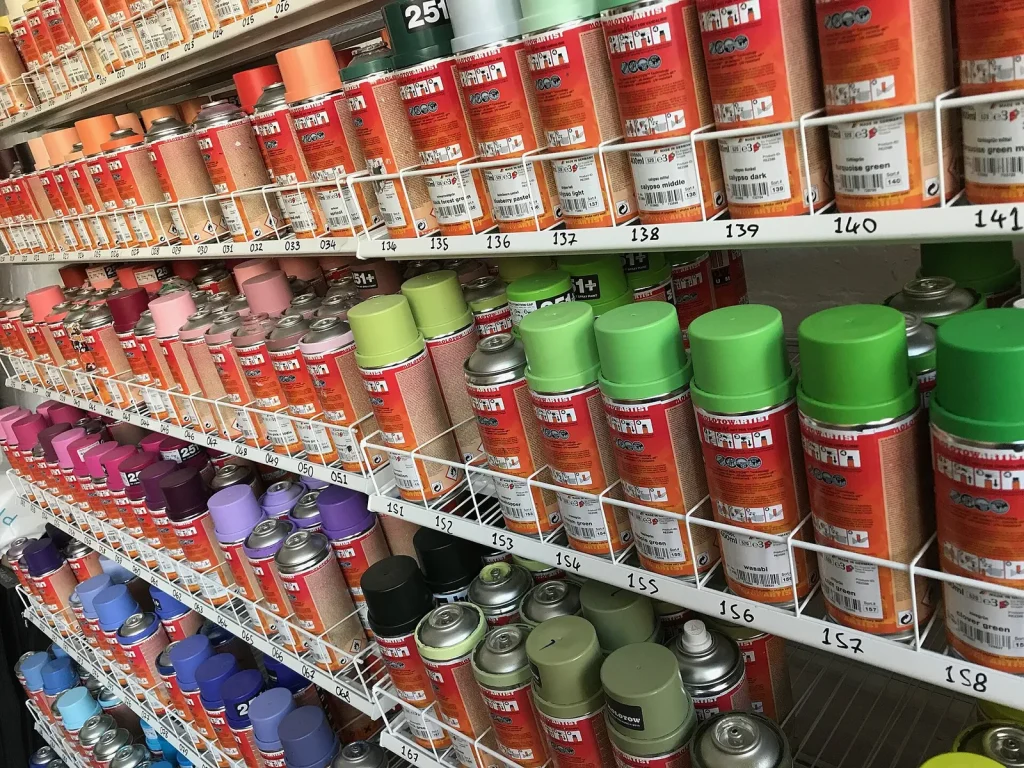
| Spray paint made for metal | Enamel finishes dry hard |
| Cardboard box, skewers or painter’s pyramids | To hold pieces while you spray |
| Gloves, mask or respirator | Protects against fumes |
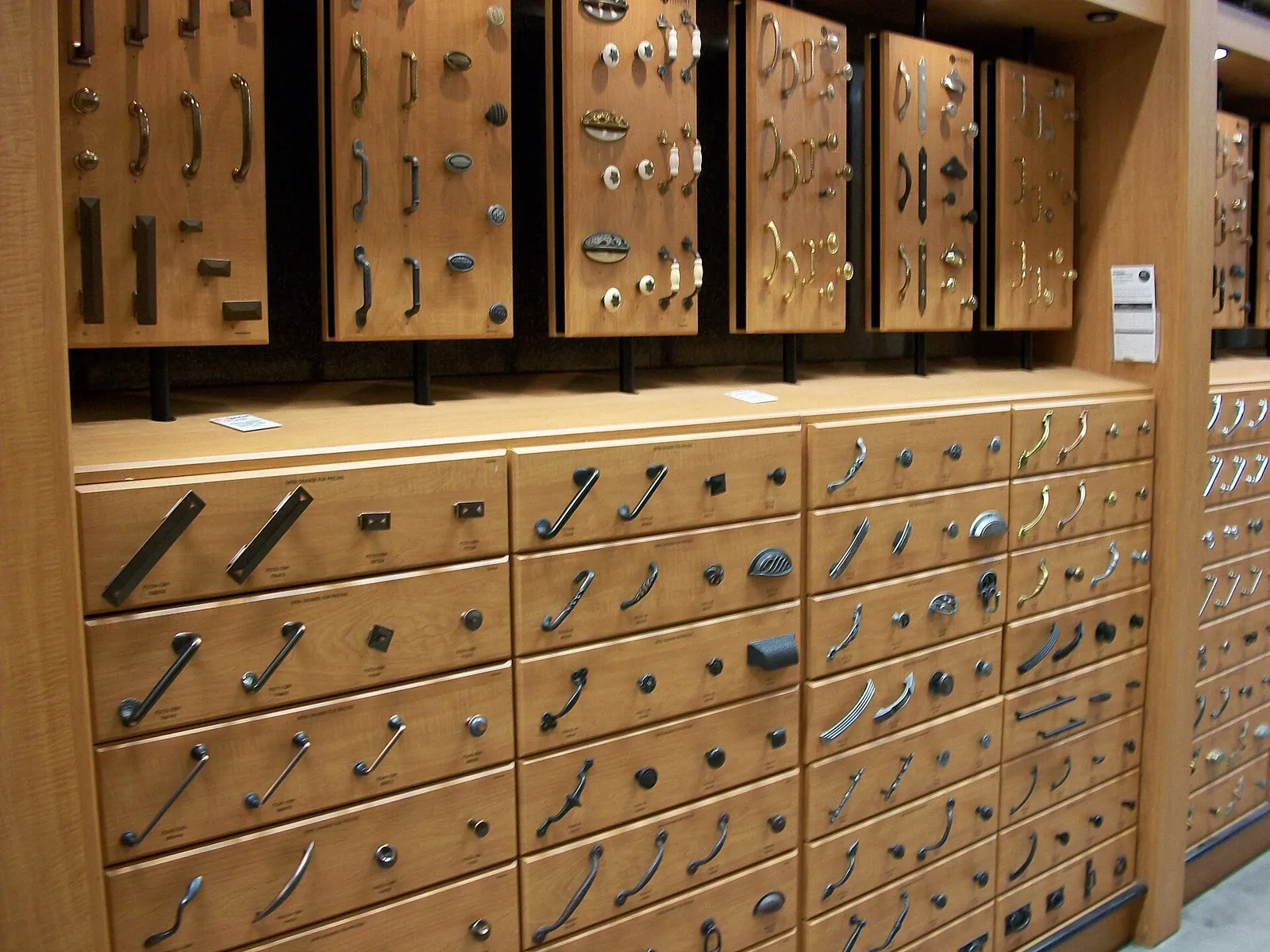
How to Spray Paint Metal Hardware Step by Step
- Remove all hardware and keep each set together. Take a photo before you start so you remember the layout.
- Soak pieces in warm soapy water if they are greasy, then scrub and dry them completely.
- Scuff each piece lightly with fine sandpaper, especially on shiny brass or chrome. Wipe off dust.
- Set the pieces on a cardboard box, skewers pushed into foam, or small risers so you can reach every side.
- Shake the primer can for the time stated, then spray in light, sweeping passes from about 8 to 12 inches away. Let it dry per the label.
- Apply the color in two or three thin coats, allowing dry time between them. Heavy coats drip and obscure details.
- Flip pieces to coat the underside after the top has dried.
- Let the paint cure for the time on the can before handling. A clear spray sealer can add protection if the can recommends it.
Choosing a Finish
Matte black and brushed-metal looks are popular, while gold and bronze give an old-world feel. Satin finishes hide fingerprints better than gloss. If your cabinets were painted recently, test a sample knob first to check it suits the color. For help with matching tones, see our advice on how to test paint samples.
Avoiding Chips and Drips
Most failures come from skipping cleaning or applying too much paint at once. Keep the can moving, spray beyond each end of the piece, and wait for full cure before reinstalling. Handle with clean gloves. Details on the process are covered at a general level in this overview of spray painting.
Hardware Types and Special Cases
Solid brass and zinc pulls take paint well after scuffing. Lacquered brass may have a clear coating that needs sanding away or dulling so primer can grip. Items with moving parts, such as hinges, should have their pins masked or the paint kept off the mechanism so they keep working smoothly. If a piece is already rusty, wire-brush it, then use a rust-inhibiting primer before color.
Small screws are easy to lose or paint by accident. Stick them into a piece of cardboard or foam and paint them with the knobs so everything matches. Keep a few spare screws on hand in case any strip during reinstallation.
Weather matters too. Spray in mild, dry conditions, ideally with low humidity and no wind, since moisture can leave a cloudy finish and wind pushes overspray onto things you did not mean to paint. If the day is cold, bring the can to room temperature first, because chilly paint sprays unevenly.
Quick Recap
To spray paint metal hardware well, clean it, scuff it, prime it and build color in thin coats. When you spray paint metal hardware this way, the finish holds up much better than a quick single coat.
Safety Note
Spray paint fumes are strong. Work outdoors or in a well-ventilated space, wear a respirator rated for paint vapors, and keep away from open flames and pilot lights. Do not sand or strip old paint on pre-1978 hardware without testing for lead, and follow EPA-recommended lead-safe practices if it is present.
Frequently Asked Questions
Do I need primer to spray paint metal hardware?
Primer is recommended. It improves adhesion and helps prevent rust, especially on plated or shiny hardware. Some paints combine primer, so read the label.
How long does spray paint last on cabinet pulls?
It depends on use, paint type and prep. With cleaning, priming and thin coats, it can look good for a long time, though high-touch pieces may need touch-ups.
Can I spray paint hardware without removing it?
It is not a good idea. Overspray will mark cabinets and you cannot coat every side. Take hardware off for a cleaner result.
What type of spray paint is best?
Use an enamel formulated for metal. Check that it is rated for the finish you want, such as matte black or oil-rubbed bronze.
Should I add a clear coat?
A clear spray sealer can help on handles that get a lot of use, provided it is compatible with your paint. Follow the can directions.