Warm vs cool paint colors comes down to undertone: warm colors lean toward red, yellow and orange, while cool colors lean toward blue, green and violet. Warm shades make a room feel snug and welcoming, and cool shades feel calm and open. The right choice depends on your light, your furniture and the mood you want.
What Makes a Paint Color Warm or Cool
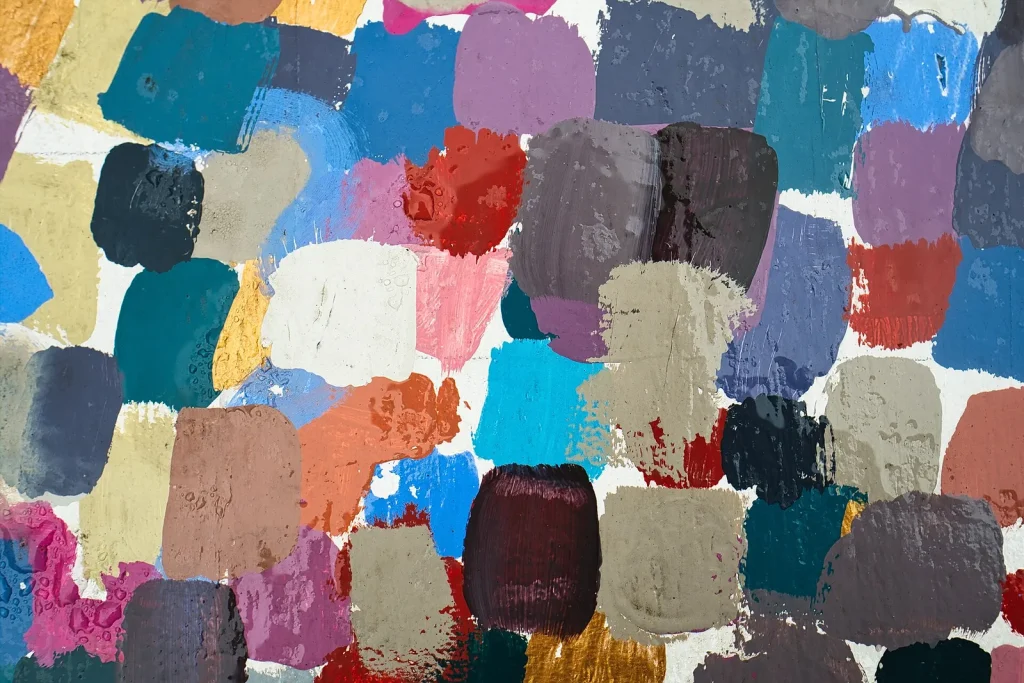
Every color has a base hue and an undertone. A beige with a yellow or pink undertone is warm. A beige with a gray or green undertone is cool. Even whites split into camps: creamy whites are warm, and crisp bluish whites are cool. Undertones are the reason two grays that look identical on a card can feel completely different on your wall.
The idea of temperature is part of basic color theory, and the Wikipedia color theory overview explains the warm and cool split in detail. If you want to see where each hue sits, our color wheel guide for home decor is a good companion.
Warm vs Cool Paint Colors at a Glance
| Warm colors | Cool colors | |
|---|---|---|
| Examples | Cream, butter, terracotta, camel, warm gray | Sky blue, sage, slate, lavender, cool gray |
| Mood | Cozy, inviting, social | Calm, airy, restful |
| Good in | North-facing rooms, living rooms, dining rooms | Sunny rooms, bedrooms, bathrooms |
| Effect on space | Walls feel closer | Walls feel farther away |
How Light Changes Warm vs Cool Paint Colors
Natural light shifts through the day. Light from a north window is cooler and bluer, so it can mute a warm color and make a cool one look icy. South-facing light is warmer and can push a cool color toward neutral. Bulbs matter too: a warm-white bulb adds yellow, while a daylight bulb leans blue.
Because of this, never pick from a store card alone. Paint a large sample and watch it for a couple of days. We explain the method in how to test paint samples before you commit.
How to Choose Between Warm vs Cool Paint Colors
- Note which way each window faces and how much sun the room gets.
- Look at fixed items you are keeping: floors, countertops, a big sofa. Match their undertone rather than fight it.
- Decide on the mood. Social rooms usually benefit from warmth, and rest rooms from cool shades.
- Narrow to three candidates and paint large samples on two different walls.
- Check them in the morning, at midday and at night with your actual lamps on.
Spotting an undertone
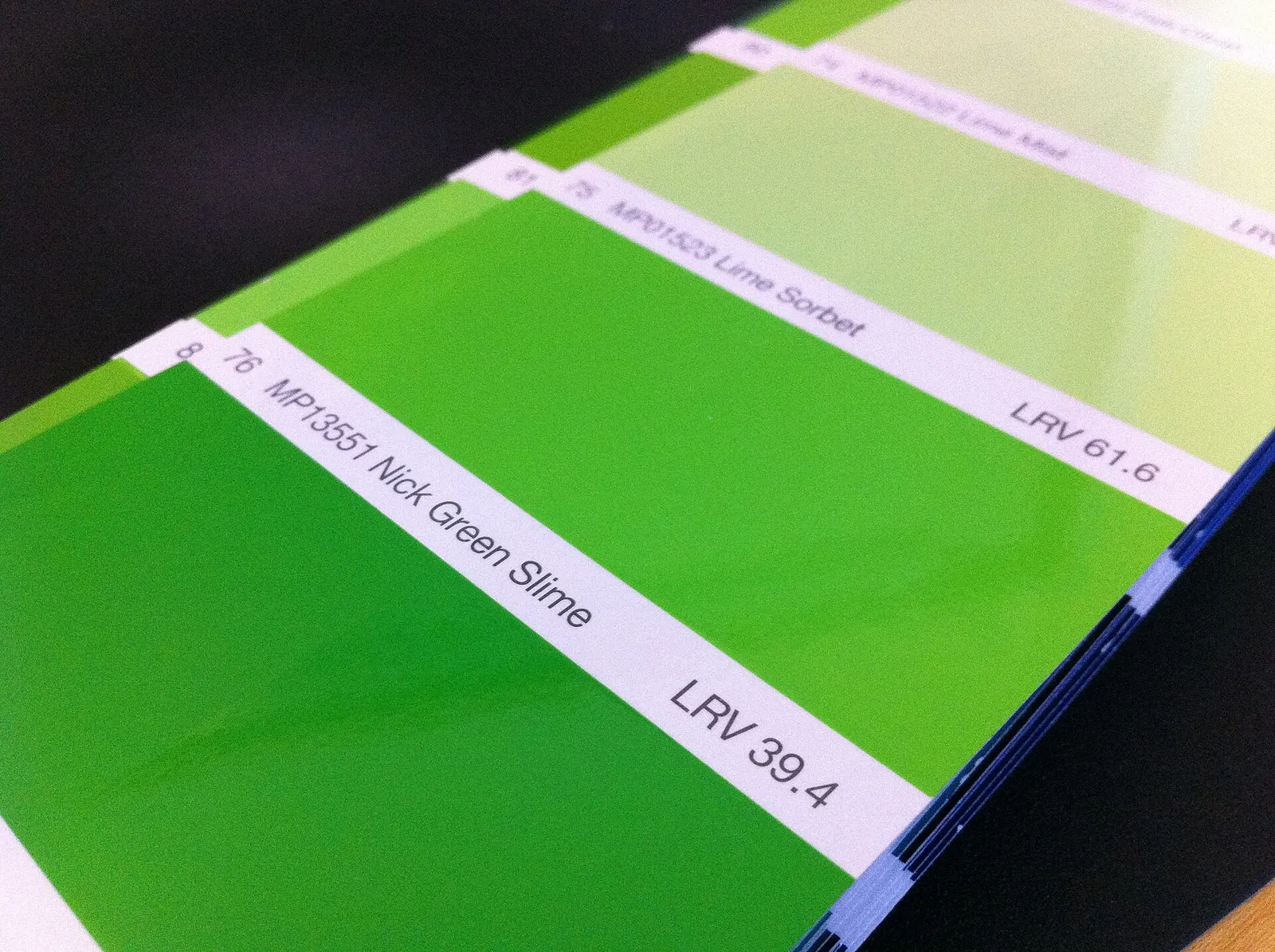
Hold the chip next to a plain white sheet of paper. A warm color will show a yellow or pink cast, and a cool one will show blue, green or gray. Light reflectance value (LRV), printed on many chips, tells you how much light a color reflects, and the LRV article on Wikipedia explains the scale.
Mixing Warm vs Cool Paint Colors in One Home
You do not need to choose a side for the whole house. A popular approach is to keep the main walls in one temperature and bring in the other through accents. For example, warm beige walls with a slate blue door, or cool gray walls with brass fixtures and wood. If you want one bold wall, see our accent wall ideas.
Example Rooms by Temperature
A warm living room
Think of a cream or soft camel wall with wood furniture, a rust or olive accent and warm lamps. The effect is cozy and a little traditional. It is a natural choice for a room you want to feel like a gathering place, and it helps when the room has little sun.
A cool bedroom
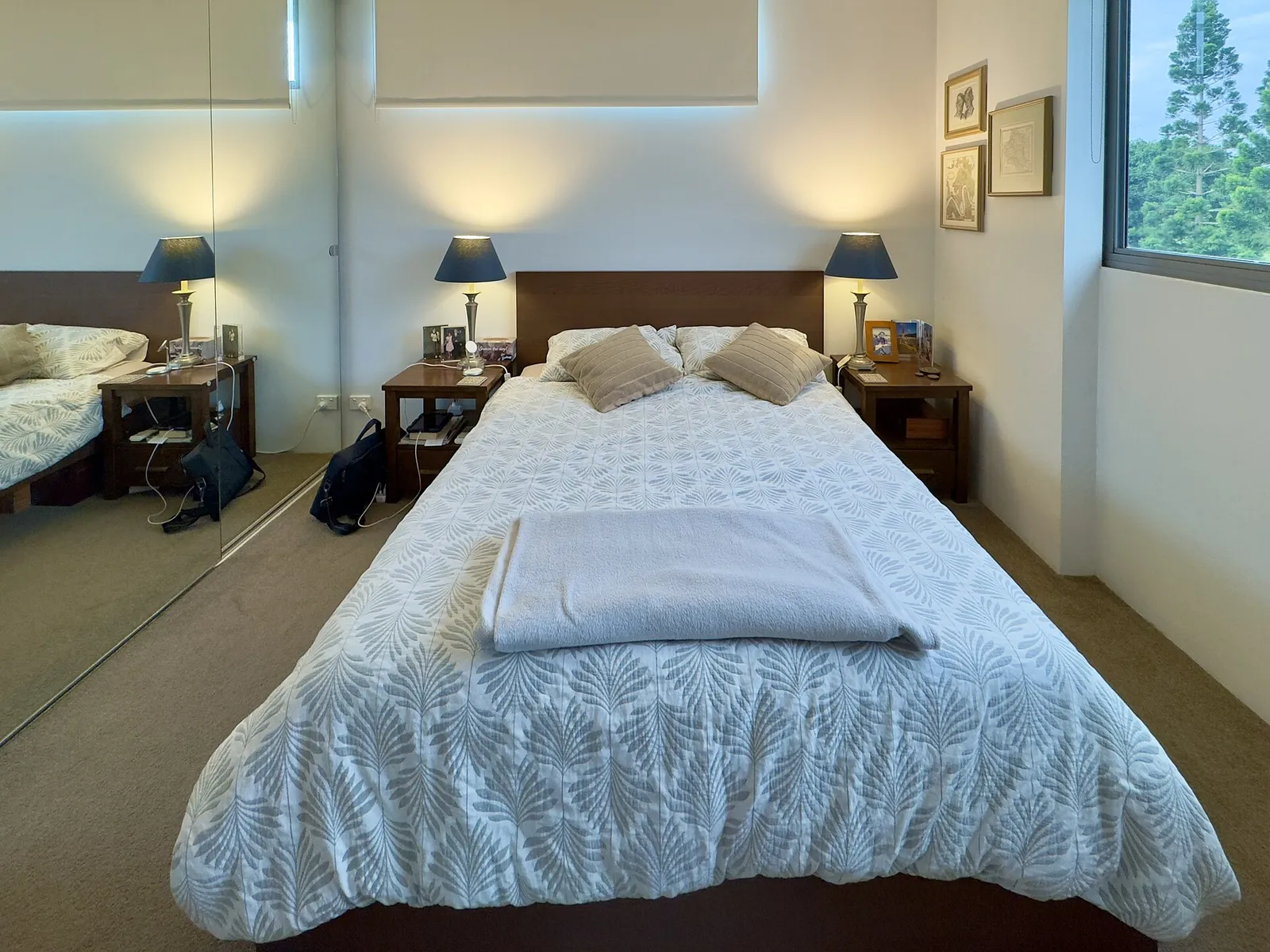
A pale gray-blue or sage wall with white bedding and a few natural wood pieces looks fresh and quiet. Cool shades feel restful, which is why they are so often chosen for sleeping rooms and bathrooms.
A balanced kitchen
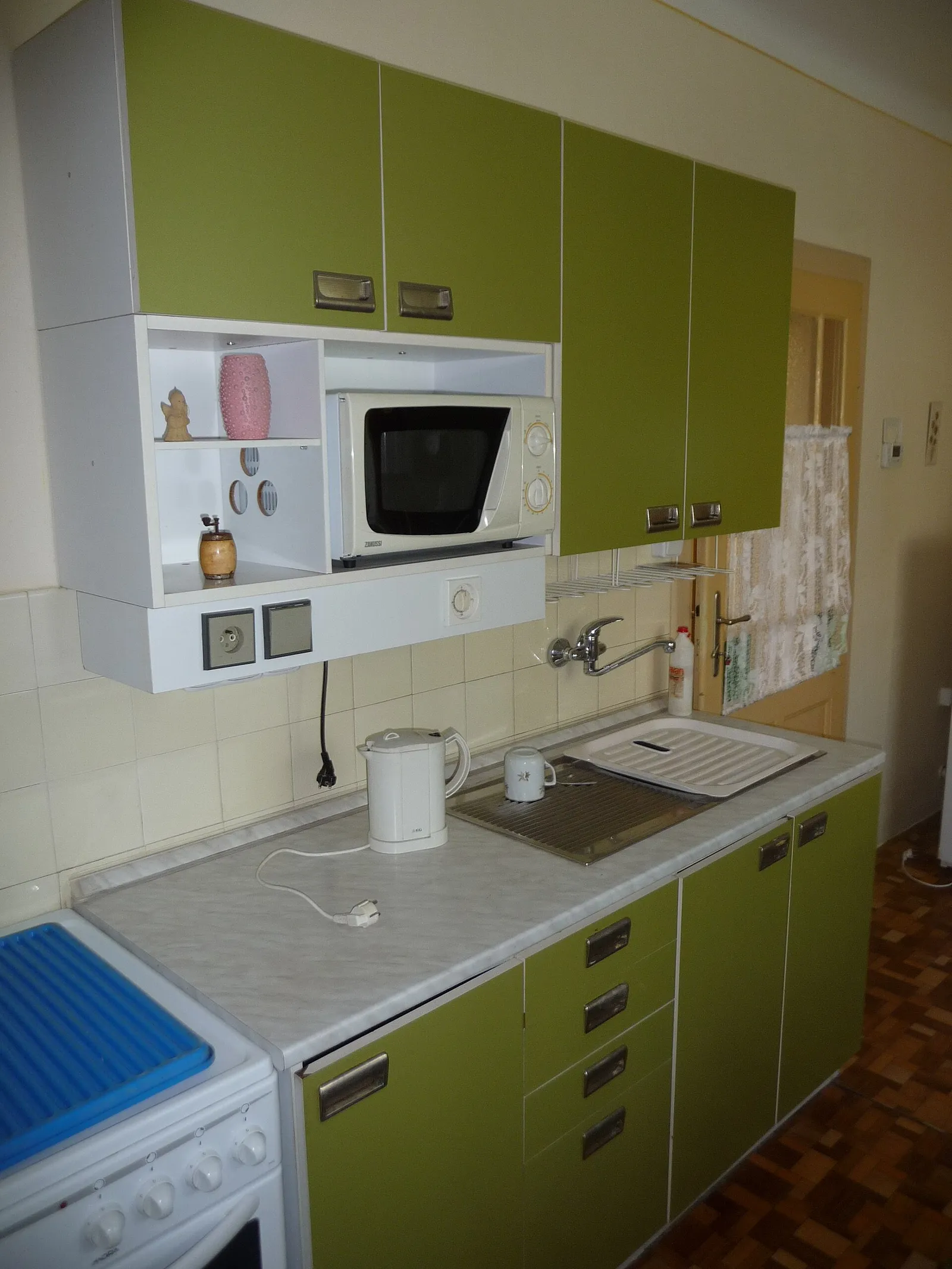
Kitchens often combine both. You might choose warm wall paint with cool-toned cabinets or the reverse. If you plan to repaint the cabinets, our ideas for {L((“kitchen-cabinet-color-ideas”,”kitchen cabinet color ideas”))} show how to combine them with your walls.
Common Mistakes When Comparing Temperatures
Many people choose a cool gray expecting it to be neutral and end up with a blue room. Others pick a warm beige that turns pink next to red-toned wood floors. The surest fix is to test. Look at warm vs cool paint colors side by side on the same wall rather than on separate chips, because your eye reads undertones best through direct comparison. Also remember that warm and cool are relative. A beige can be warm next to a gray and cool next to a terracotta.
Safety Note
Ventilate the room while painting and drying, and follow the can for recoat times. Wear a dust mask when sanding.
If your home was built before 1978, the existing paint may contain lead. Use an EPA-recommended lead test kit before sanding or scraping, and follow lead-safe work practices if the result is positive (see the EPA renovation and painting guidance).
Frequently Asked Questions
Where does gray fall in warm vs cool paint colors?
It can be either. Grays with brown or beige undertones are warm, and grays with blue or green undertones are cool.
Which is better for a small room, warm or cool?
Cool, light shades tend to recede and feel open, but a light warm white also works well in a dim room. Light is the bigger factor than temperature.
Are warm colors always cozy?
Usually, but a very bright orange or red can feel intense. A softened, earthy version reads as cozy rather than loud.
Can I mix warm and cool in the same room?
Yes. Pick a dominant temperature for the walls and use the opposite in small amounts for contrast.
Do cool colors make a room feel colder?
They can feel calmer and fresher, though the actual temperature does not change. Warm lighting and textiles balance a cool wall color.