This paint roller nap guide boils the choice down to one rule: the rougher the surface, the longer the nap you need. Nap is the fuzzy pile on the roller cover, and it decides how much paint the cover carries and how well it reaches into texture. Pick the wrong one and you get a stippled orange-peel finish on smooth drywall or missed pits on stucco.
What Roller Nap Actually Does
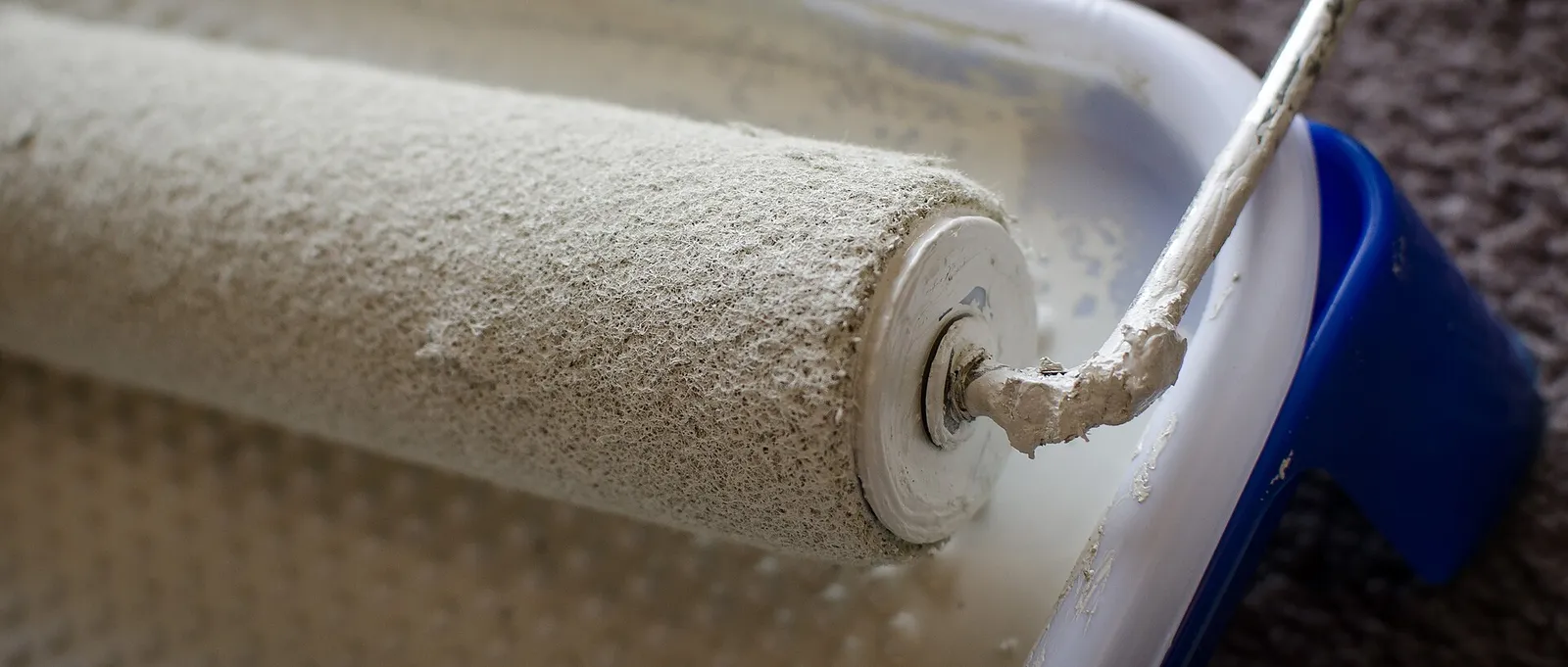
Any good paint roller nap guide starts here. Nap length is measured in fractions of an inch and printed on the cover’s label. A short nap holds little paint and lays down a smooth film. A long nap holds a lot of paint and pushes it into crevices, but it leaves more texture behind. Every project is a trade-off between smoothness and coverage in rough spots.
Cover material is the second half of any paint roller nap guide. Synthetic covers (polyester or nylon) are the usual choice for water-based paint. Natural lambswool and blends suit oil-based coatings and some specialty products. Foam covers give a very smooth finish but can leave tiny bubbles if you press hard.
Paint Roller Nap Guide by Surface
Use this table as a starting point. Manufacturer recommendations on the paint can or cover package take priority if they differ.
| Surface | Typical nap | Why |
|---|---|---|
| Smooth plaster, new drywall, flat doors | 1/4 to 3/8 inch | Leaves a smooth, fine finish |
| Lightly textured walls, most interior rooms | 3/8 to 1/2 inch | All-purpose balance of smoothness and coverage |
| Medium texture, knockdown or orange peel | 1/2 to 3/4 inch | Reaches into low spots |
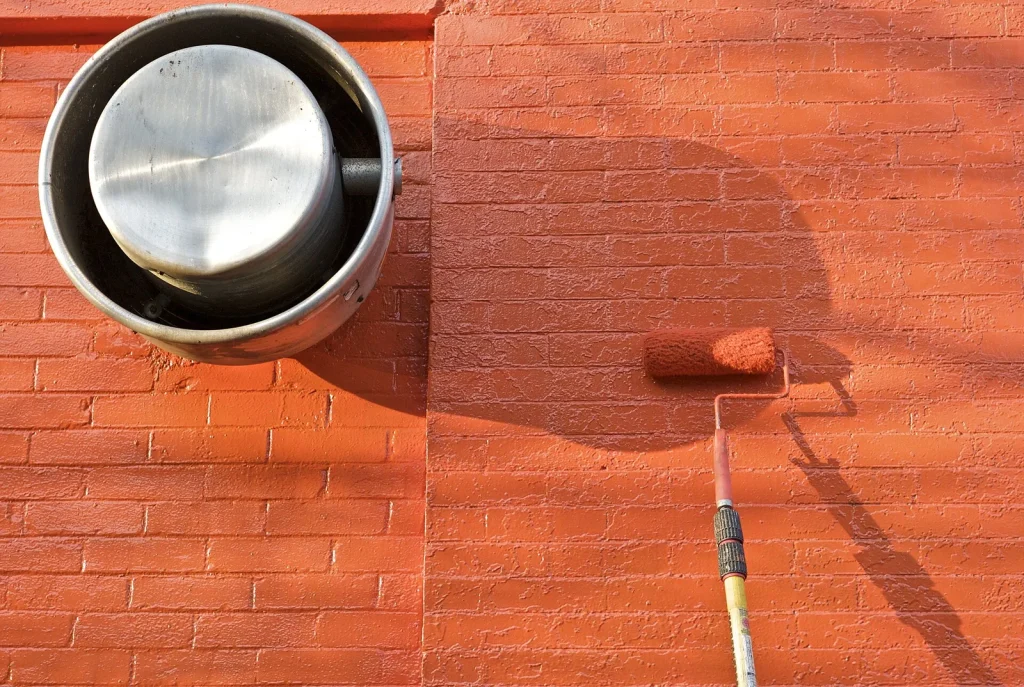
| Rough textures, popcorn-free stucco, brick | 3/4 to 1 1/4 inch | Holds extra paint for deep pits |
| Cabinets and trim with enamel | Mini roller, 1/4 inch or foam | Fine finish with few marks |
If your walls are only slightly textured
Per this paint roller nap guide, A 3/8-inch cover is the safe middle for most interior walls. Hold one against your wall and look closely. If you can see small dips, step up to a half-inch cover.
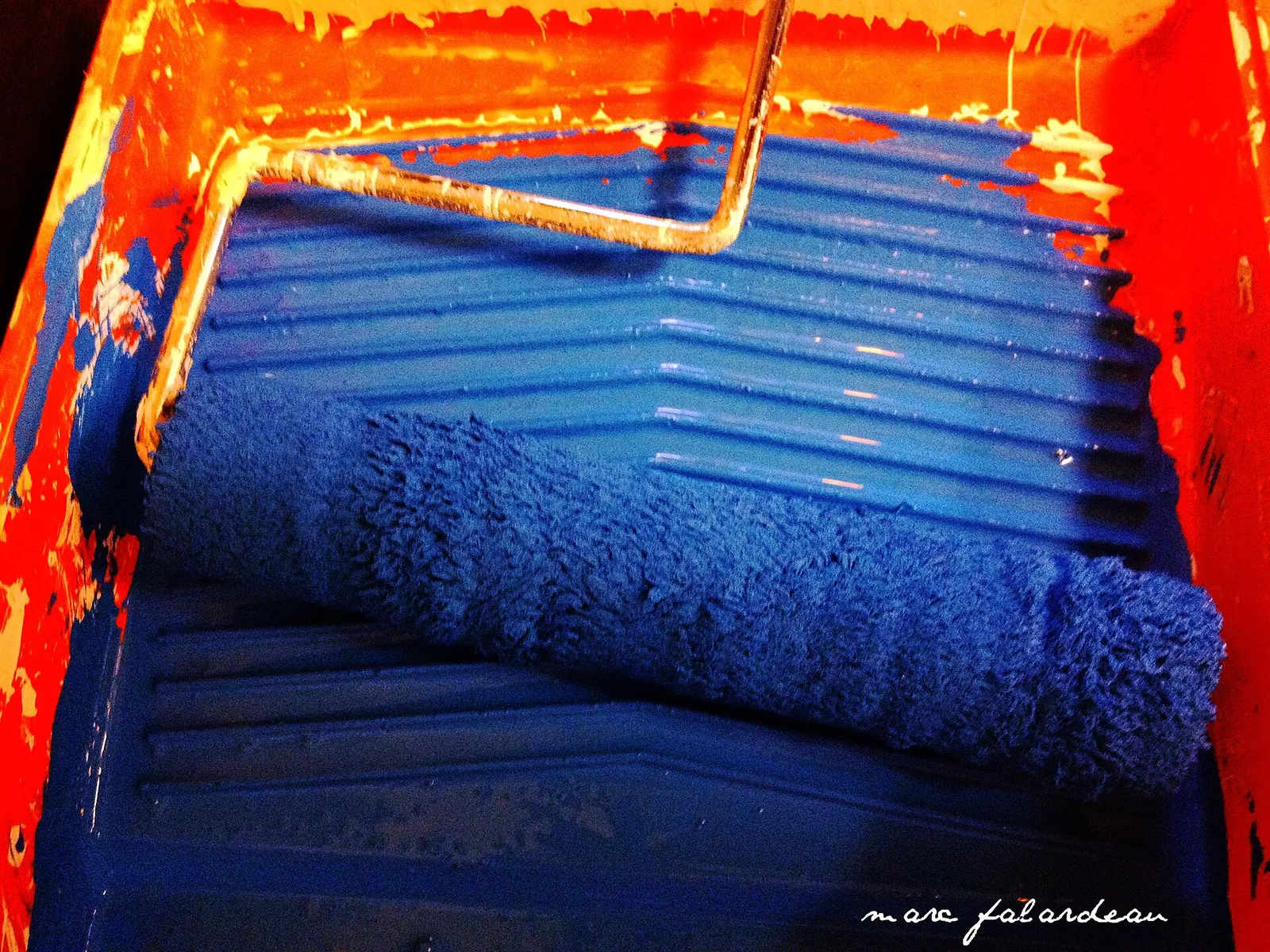
How Sheen and Paint Type Change Your Choice
High-gloss and semi-gloss paints show every flaw, including roller stipple, so shorter naps usually work best. Flat and matte paints hide texture, so you can go a little longer without the finish looking heavy. If you are still choosing sheen, our paint sheen guide for matte, eggshell, satin and gloss explains how each hides or highlights wall flaws.
Thick specialty coatings, such as masonry paint or some primers, may call for a particular cover. Check the product data sheet before you buy.
Prepare and Use a New Roller Cover
New covers shed fibers, which end up in your wet paint. A few steps cut that down.
- Remove loose lint. Wrap a strip of painter’s tape around the cover, sticky side out, and peel it off. Repeat a few times.
- Dampen the cover. For water-based paint, wet it lightly with water and spin or squeeze out the excess. For oil-based, follow the can’s guidance on the proper solvent.
- Load the roller. Roll into the paint tray’s well, then roll it back along the ramp until the nap is evenly loaded but not dripping.
- Roll a W or N pattern. Spread paint across a roughly three-foot section, then fill in with straight vertical passes and light pressure.
- Keep a wet edge. Work from one section into the next while the paint is still wet to avoid lap marks.
Most paint labels list coverage near 350 to 400 square feet per gallon on a smooth surface. Rough textures soak up more paint, so buy a little extra if you chose a long nap. For a full step-by-step routine, see how to paint a room step by step.
Putting the Paint Roller Nap Guide to Work
Once you have the right cover, the roller remains the best match for most interior walls because they give good control and little overspray. If you are weighing a different tool for a big project, compare it against our paint sprayer vs roller breakdown. For a general overview of the tool, the Paint roller article on Wikipedia gives some background on how covers are made.
Safety Note
Open windows or run a fan for fresh air whenever you paint, and follow the ventilation directions on the label. If your home was built before 1978, the existing paint may contain lead. Test it with an EPA-recognized kit before you sand or scrape, and use lead-safe work practices if the result is positive.
Frequently Asked Questions
What nap roller is best for interior walls?
A 3/8-inch nap is the standard for typical smooth to lightly textured interior walls. Step up to 1/2 inch if the wall has visible texture.
Does a thicker nap use more paint?
Yes. Thicker covers hold more paint, and rough surfaces soak up more of it. Plan on extra paint for textured walls compared with smooth ones.
Why does my roller leave a bumpy texture?
The nap may be too long for your paint and wall, or you may be pressing too hard or rolling too fast. Switch to a shorter nap and use lighter, slower passes.
Can I reuse a roller cover?
You can if you wash it right after use. Rinse water-based paint out with warm water and a little soap, shake and comb it, then stand it on its edge to dry. Heavily damaged or matted covers should be replaced.
Does this paint roller nap guide apply to primer too?
Yes, the same surface rules apply, though some primers call for a specific cover on the label.
Should I use the same cover for primer and paint?
It is better to use separate covers. If you must reuse one, wash it thoroughly first and let it dry completely so leftover primer does not mix into your finish coat.