A diy geometric wall mural is one of the best weekend projects for a beginner, because straight lines, painter’s tape and two or three colors do most of the work. You do not need to draw well. You need a plan, a level, and the patience to let each color dry before you tape over it.
Plan the Design on Paper First
Sketch the wall as a rectangle on graph paper, then divide it with straight lines, triangles, or large blocks. Keep to three or four colors at most. A clean palette makes a diy geometric wall mural look intentional, while too many hues turn it busy.
If you are unsure about color combinations, our color wheel guide for home decor shows which shades sit well together. Paint a few sample swatches and look at them in morning and evening light before you commit.
Materials and Rough Quantities
| Item | Notes |
|---|---|
| Wall paint, 2-4 colors | Sample pots usually cover a section; a quart covers more. A gallon typically covers about 350-400 sq ft |
| Painter’s tape | Use a delicate-surface or standard tape, as the wall allows |
| Laser or bubble level | Keeps every line square |
| Pencil and tape measure | For marking points |
| Small roller and angled brush | Roller for fills, brush for tight points |
| Drop cloth | Protects floor and furniture |
How to Make a DIY Geometric Wall Mural
- Paint the base color. Apply two coats of your lightest or background color and let it cure fully. Check the can for the time before taping.
- Measure and mark. Transfer your sketch to the wall with pencil dots, then connect them with a level line. Mark which shapes get which color with a small letter.
- Tape the edges. Place tape on the outside of each line, on the section that will stay unpainted. Press the edge down firmly with a putty knife or credit card.
- Seal the tape edge. Brush a thin coat of the base color along the tape edge first. Any bleed-through is then the base color and disappears.
- Paint the shape. Use thin, even coats and roll away from the tape.
- Pull tape while the paint is slightly tacky. Peel at a low angle, slowly. If paint has dried hard, score along the edge with a utility knife first.
- Repeat for each color. Wait for dry paint between colors, then re-tape.
The painter’s tape guide covers which tape types suit freshly painted walls.
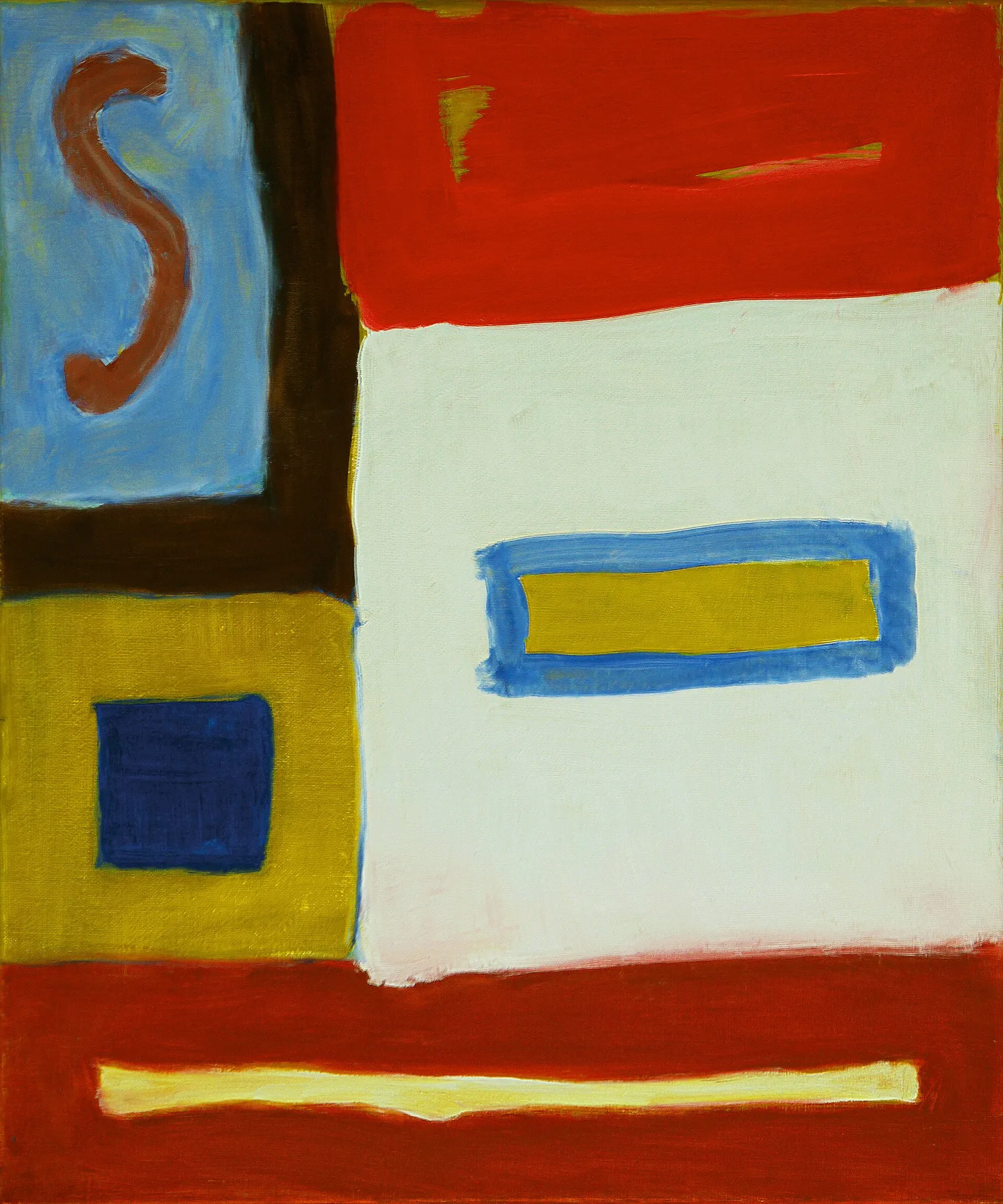
Layout Ideas That Work for Beginners
Triangles and chevrons
These are forgiving because a small wobble disappears in the repeating shapes. Use one measured baseline, then repeat the angle.
Color blocks
Large rectangles in muted tones feel modern and take less tape. Try placing them behind a bed or desk as an anchor.
Half-wall or corner designs
A mural that fills only the lower half, or wraps one corner, uses less paint and looks like an accent. For more inspiration, see our accent wall ideas.
Common Mistakes to Avoid
Skipping the level and trusting the ceiling line is the classic error, since many ceilings and floors are not perfectly flat. Pulling tape after the paint has fully hardened can lift a ragged edge. Overloading the roller near the tape causes the same bleed problem. Finally, forgetting to leave a day between colors leads to tape peeling fresh paint off the wall. Geometric designs have long been studied as part of geometric abstraction, which is a great source of layout ideas.
Safety note: keep windows open or use a fan for ventilation. In homes built before 1978, older layers of paint might contain lead, so use a lead test kit before sanding and follow EPA-recommended lead-safe practices if lead is present.
Choosing Colors and Finish
Start with one color you love and build the rest around it. A common approach is one dark, one mid-tone and one light neutral, so a diy geometric wall mural has contrast without clashing. Dusty blues, terracotta and warm whites sit together easily, and soft greys with a single bold accent feel calmer.
Test every color on the wall before you buy large cans, because lighting changes how paint looks. Our guide on how to test paint samples shows a simple way to do it. Remember that dark shapes next to light ones make the room feel smaller, so use them sparingly in a tiny space.
Whatever you pick, keep the finish consistent across the shapes unless you plan a subtle sheen contrast. Mixed sheens can show roller marks in raking light.
Frequently Asked Questions
How long does a diy geometric wall mural take?
Most people finish a single wall in a weekend, with the base coat and drying time taking most of the hours. Each extra color adds a taping and drying round.
What paint finish is best for a mural?
Matte or eggshell hides wall flaws and gives soft color. A satin accent shape can add a quiet sheen contrast.
How do I keep my lines sharp?
Press the tape edge firmly and seal it with a thin coat of the underlying color before painting the new color.
Can I do this on textured walls?
Light texture works, but tape does not seal as well and some bleeding is likely. Smooth walls give the sharpest results.
How much paint do I need?
For one wall, sample pots or quarts are normally enough. Measure the shapes and compare against the can’s coverage claim.